Is Earthquake Insurance Worth It? A Guide to Costs and Coverage
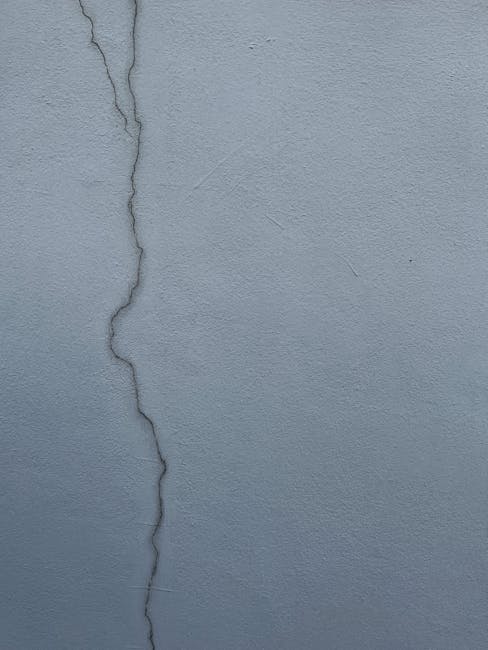
- Most policies feature high percentage-based deductibles that make claims difficult.
- Compare annual premiums to the cost of structural retrofits before signing.
- Standard coverage often excludes pools, landscaping, and detached structures.
- Self-insuring is a viable strategy if you maintain a sufficient emergency fund.
How do earthquake insurance deductibles work?
Earthquake insurance is rarely a good deal for the average homeowner because of massive deductibles and limited coverage. If you live in a low-risk area, you are likely better off saving your premium money in a high-yield account. But if you live directly on a fault line or own an older home, it might be the only thing standing between you and financial ruin. You must weigh the total replacement cost of your house against the high cost of the policy. Most policies carry a 10% to 25% deductible, which means you pay thousands out of pocket before the insurer covers a dime. It is a gamble on catastrophe, not a maintenance plan.
What are the standard earthquake insurance coverage limits?
Deductibles are the silent killer of this insurance product. While standard home insurance deductibles might sit at $1,000 or $2,000, earthquake coverage often requires you to cover a percentage of the home's total replacement value. If your home is insured for $500,000, a 15% deductible means you are on the hook for $75,000 before the insurance company pays a cent. That is a massive sum for most families to pull from savings on short notice. So, you end up paying for a policy that might not even trigger a payout unless the house is a total loss. Many homeowners find that they have paid thousands in premiums only to realize the damage does not exceed their massive deductible.
Are earthquake insurance premiums a waste of money?
Calculate your risk by checking the USGS fault maps for your specific address. If you live in a high-risk zone, the premium could cost you several thousand dollars annually. Compare that premium to the cost of retrofitting your foundation or bolting your home to its frame. Often, spending $5,000 on structural improvements is a smarter financial move than paying $2,000 every year for a policy with a massive deductible. Insurance is for things you cannot afford to lose, but you have to be honest about what you can actually afford to rebuild. If your home is already reinforced, you might be over-insuring.
How to assess your personal earthquake risk
Read the fine print carefully because most policies exclude the very things that cause the most damage. Landscaping, swimming pools, and detached structures like sheds are rarely covered under a standard earthquake add-on. You are paying for the core structure of your home, not the contents inside or the beautiful backyard. Some policies even exclude masonry or brick chimneys, which are usually the first things to collapse during a tremor. It is a narrow safety net that leaves out common post-quake expenses like debris removal. Do not assume your policy covers everything that breaks when the ground moves.
What are the alternatives to earthquake insurance?
If you decide against a dedicated policy, you need a backup plan. Build an emergency fund specifically for home repairs that sits in a liquid account. This ensures you have cash on hand for the immediate aftermath without relying on a slow-moving claims process. But do not treat this fund as a vacation budget; it must remain untouched for the day the ground moves. Keeping your debt low also provides the flexibility to take out a disaster loan if you find yourself in a bind. Financial resilience comes from cash, not just an insurance certificate.
When is earthquake insurance a smart investment?
You should only buy this insurance if you have zero equity or if your home is the primary asset that secures your family's future. If your house is your only major asset, you cannot afford to lose it. But if you have significant savings and a home that is already paid off, you might choose to self-insure. It is a personal balance sheet decision, not a moral one. Look at your local building codes and see how your home measures up to modern standards. If you cannot afford to rebuild, buy the policy.
Frequently asked questions
No, standard homeowners insurance policies typically exclude earthquake damage, requiring a separate policy or a specific endorsement to be added to your existing coverage.
Earthquake deductibles are usually percentage-based, ranging from 5% to 25% of the home's total insured value, rather than a flat dollar amount like standard home insurance.
In most regions, earthquake insurance is not legally required by law, though your mortgage lender may mandate it as a condition of your loan if you live in a high-risk seismic zone.