Deep Brain Stimulation for Parkinson’s: Eligibility and Outcomes
- 22% of the studied Parkinson's patients qualify for neuromodulation.
- Motor complications were identified in 58.4% of the patient group.
- Neuromodulation may lead to lower annual healthcare costs for eligible individuals.
- This research is a preprint and has not yet undergone peer review.
What are the clinical criteria for deep brain stimulation (DBS)?
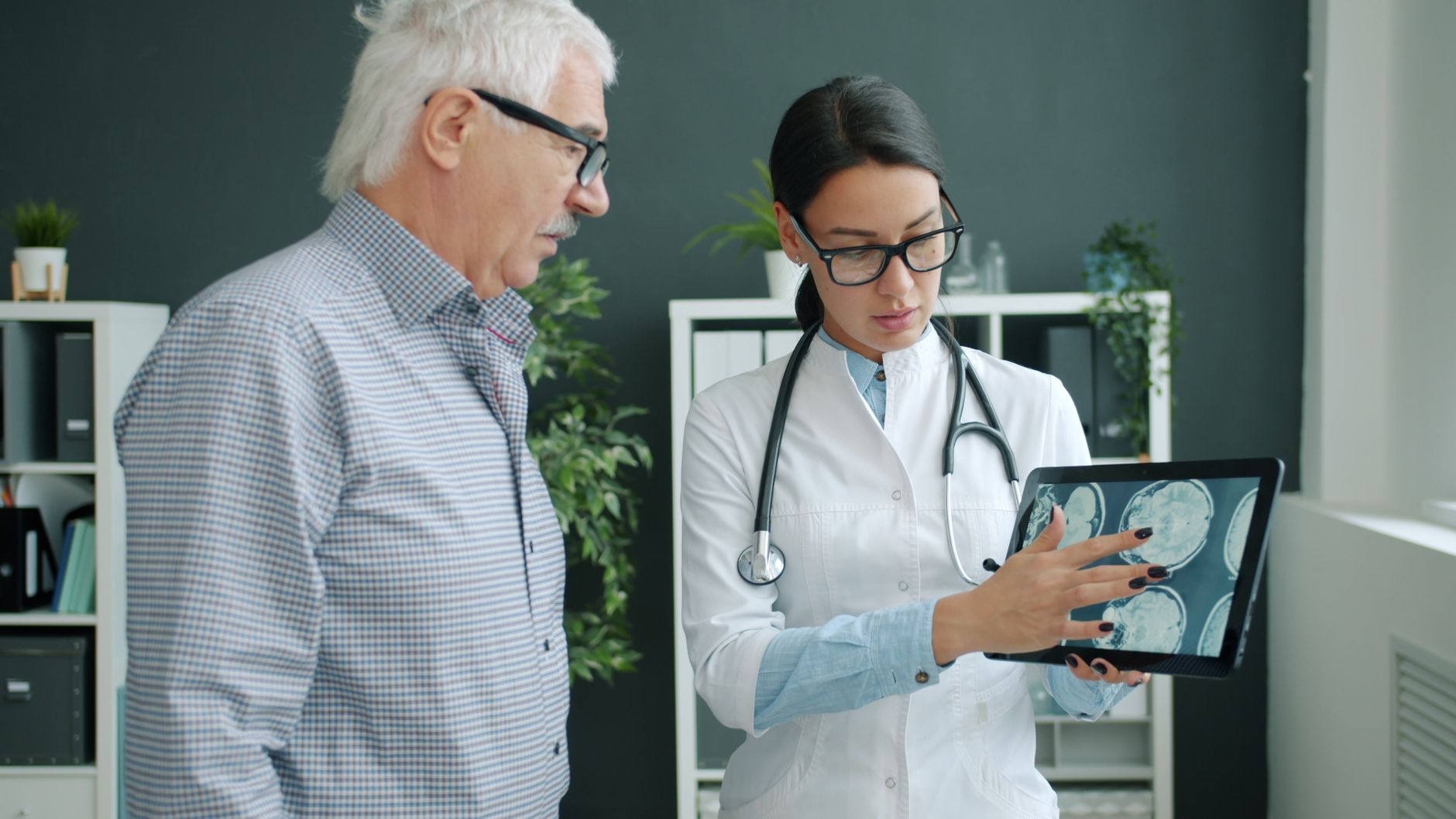
About 22% of people with Parkinson’s disease may be candidates for neuromodulation therapy, according to research from Hospital Sao Lucas in Brazil [1]. This study examined over 4,000 patients treated at a specialized center to understand who qualifies for advanced interventions like deep brain stimulation. The findings highlight that motor complications occur in 58.4% of these patients, a figure higher than typical estimates for the general Parkinson’s population [1]. By identifying these candidates, clinicians aim to manage symptoms more effectively while potentially lowering long-term care expenses. Because this analysis is a preprint, it has not yet completed the formal peer-review process required for publication in a medical journal [1].
How do motor complications influence Parkinson's treatment pathways?
Neuromodulation, such as deep brain stimulation, is typically considered when standard medications no longer provide consistent symptom control. The researchers at Hospital Sao Lucas analyzed data from 4,060 individuals to see how many met the clinical criteria for these procedures [1]. They found that 893 patients—roughly one in five—were eligible for the treatment [1]. But this is not a universal solution for everyone living with the condition. The study notes that these patients often deal with significant motor complications and have lived with the disease for a median of eight years [1]. Because this is a descriptive study, it shows a snapshot in time rather than proving that neuromodulation directly causes lower costs for every patient [1]. Future research must confirm these findings through long-term clinical trials to ensure the results hold true across different healthcare systems and patient demographics. It remains essential for patients to consult with their own neurologists regarding individual treatment paths.
- Clinical, epidemiological, and economic profile of patients with Parkinson disease eligible for neuromodulation — Hospital Sao Lucas, Pain Service, Department of Neurosurgery and Interventional Pain Management, Campo Largo, Parana, Brazil., Oct 7, 2026
- Clinical, epidemiological, and economic profile of patients with Parkinson disease eligible for neuromodulation — medRxiv, Oct 7, 2026
- Forecasting Alzheimer's disease progression using non-imaging clinical features and XGBoost — medRxiv (preprint), Oct 7, 2026
Frequently asked questions
Candidates are typically patients who have had a confirmed Parkinson's diagnosis for at least four years, experience motor fluctuations despite optimized medication, and do not have significant cognitive impairment or untreated psychiatric conditions.
No, deep brain stimulation is not a cure. It is a surgical treatment designed to manage symptoms such as tremors, stiffness, and slowness of movement by delivering electrical impulses to specific areas of the brain.
Patients often qualify when they experience 'off' periods where medication is no longer effective, severe dyskinesia (involuntary movements), or debilitating tremors that significantly impair daily quality of life.