Clinical Workflow Is Key to Digital Health Implementation

- Remote monitoring benefits hinge on existing work habits.
- Current clinical challenges color how staff view digital promises.
- Findings suggest a need for better integration, not just better tech.
- The study is a preprint and awaits peer review.
How Do Clinical Workflow Challenges Impact Technology Adoption?
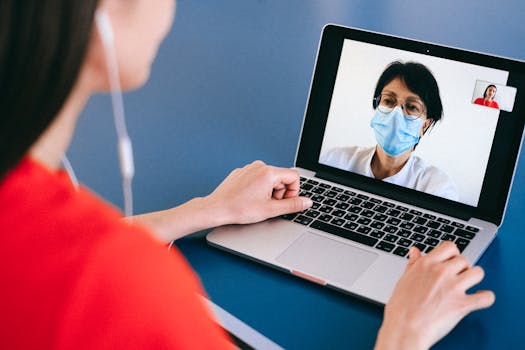
Healthcare professionals view the potential of remote monitoring technology through the lens of their current workplace struggles. A study from the University of Eastern Finland suggests that the promised benefits of digital health are not viewed in a vacuum. Instead, how a doctor or nurse perceives these digital tools depends heavily on their own daily experience with clinical challenges. If a facility has systemic issues, staff are less likely to buy into the promise of a new digital system. According to the research, "the future benefits expected from remote monitoring in health care are shaped by how professionals understand their current work." By ignoring these existing frustrations, organizations often fail to see the real impact of new technology.
Why Does Clinician Burnout Hinder Adoption of Digital Health Tools?
This research provides a look at how digital tools are integrated into existing medical environments. As a preprint, these findings have not yet undergone the formal peer-review process, so readers should view them as early observations rather than established medical doctrine. The study focuses on how remote monitoring is perceived by those on the front lines. It does not prove that digital tools cause specific health outcomes; rather, it highlights a correlation between professional attitudes and systemic workplace friction. Why does this matter? It suggests that digital health upgrades are rarely just about the software. If you work in a clinic or hospital, you likely know that new tech can feel like an extra burden if the underlying workflow remains broken. So, what comes next? Healthcare leaders need to stop treating digital health as a standalone fix. Instead, they should address the day-to-day pain points of their staff first. Without solving these basic operational issues, even the most advanced remote monitoring tools will likely struggle to gain traction among the people who have to use them every single day.
- Digital health promises shape the work of health care professionals — press, Oct 9, 2026
- Digital health promises shape the work of health care professionals — MedicalXpress, Oct 9, 2026
Frequently asked questions
Typical barriers include redundant data entry, lack of integration with existing EHR systems, unclear responsibility for new tasks, and insufficient training for clinicians.