Walking Guide to Madrid: Navigating City Center Traffic Restrictions
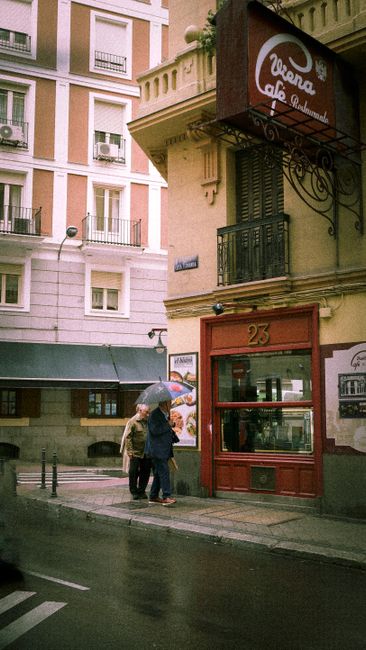
- Central districts prioritize walking over private vehicle traffic.
- Public transit is the most efficient way to navigate the city center.
- Low-emission zones restrict older, high-polluting vehicles.
- Green spaces like Madrid Río offer better connectivity between neighborhoods.
How do Madrid traffic restrictions work?
Madrid has shifted its focus from vehicle traffic to pedestrian-friendly zones to improve air quality and livability. By restricting access to high-emission vehicles in the central district, the city prioritizes walking and public transit over personal car use. This strategy matters because it creates quieter, more accessible public spaces for visitors and locals alike. If you visit today, you will find that major arteries like the Gran Vía favor people on foot rather than idling engines. This approach reduces noise pollution and encourages a slower, more engaged experience of the city’s architecture. While it requires a bit more planning for those arriving by private car, the benefit is a significantly more walkable urban center. You can walk through the historic core without dodging constant traffic.
Why is walking in Madrid better for visitors?
Public transport serves as the backbone of Madrid. The Metro system operates with over 300 stations, making it the most efficient way to cross the city. You should purchase a multi-trip card at any station kiosk to save money compared to single tickets. Buses complement the trains by covering routes that reach residential neighborhoods outside the core. If you prefer cycling, the BiciMAD network offers electric bikes at stations throughout the city. Simply download the app to unlock a bike for a small hourly fee. Walking remains the best way to see the sights in the central district, as many streets have been permanently closed to non-resident traffic. Relying on these options removes the stress of finding parking in narrow, historic streets.
How to navigate Madrid using public transit
City planners established low-emission zones to curb pollution levels. If you plan to rent a car, you must check if the vehicle meets environmental standards before entering the central ZBE (Zona de Bajas Emisiones). Vehicles without a valid environmental badge face significant fines if they enter restricted areas. Most rental companies provide cars that comply with these rules, but you should verify this at the counter. Ignoring these regulations can lead to penalties starting at 200 euros. It is often cheaper and easier to leave your rental vehicle at a parking garage on the city perimeter. From there, you can take a short train ride into the heart of the city.
Understanding Madrid city center access rules
The shift toward pedestrianization brings challenges for residents and logistics. Businesses in the center often struggle with deliveries due to strict window times for commercial vehicles. Some local shop owners argue that decreased car access reduces foot traffic from suburban areas. Additionally, housing costs in the central, walkable districts have risen as these areas become more desirable. You might find that accommodation prices near the major plazas are higher than in the surrounding suburbs. While the streets are quieter, the loss of parking spots makes life harder for those who rely on cars for work. These trade-offs represent the friction of a city transitioning away from a car-dependent design.
Where can you find the best green spaces?
Madrid has integrated more green space to combat urban heat. The Madrid Río park stands out as a prime example of repurposing space previously dominated by a highway. This linear park stretches along the Manzanares River and features playgrounds, cafes, and walking paths. It connects the city center to outer districts, providing a cool corridor for joggers and families. Retiro Park remains the city's largest green lung, offering massive shade and boating activities. When the summer heat hits, locals head to these areas to escape the concrete. You will find that these parks serve as essential gathering points for the community throughout the year.
Frequently asked questions
Access is restricted to residents, public transport, and vehicles with specific environmental labels (A, B, C, ECO, or 0). Non-compliant vehicles may face fines.
Yes, Madrid's historic core is highly walkable, with major tourist hubs like Gran Vía and Puerta del Sol featuring extensive pedestrianized zones.
Visitors should purchase a rechargeable Multi card, which is valid for both the Metro and EMT bus network throughout the city.