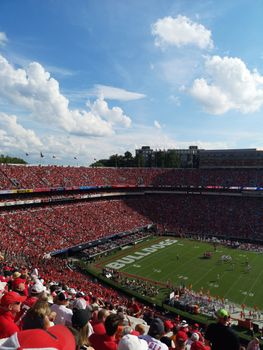
Is Iowa State Football Worth the Cost? A Fan’s Financial Guide
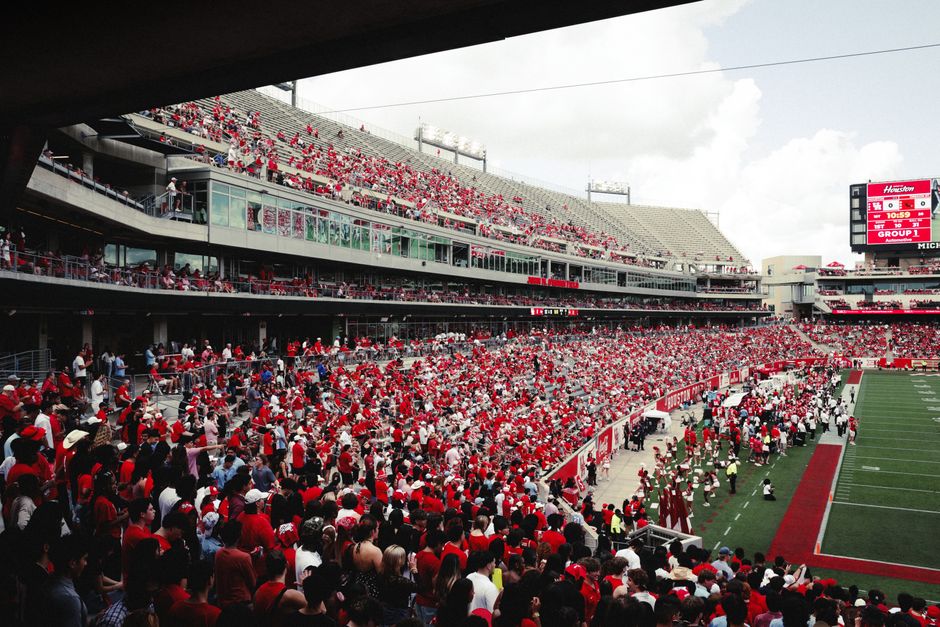
- Treating game day as an investment leads to a net financial loss.
- Ticket pricing models prioritize consistent revenue over affordability.
- Conference stability is the biggest factor in long-term program value.
- Hidden costs like travel and concessions often double the sticker price.
What is the true cost of being an Iowa State fan?
Iowa State football is rarely a winning financial investment for the average fan. If you treat your support as a portfolio asset, you will find yourself in the red every single season. Most fans spend hundreds, if not thousands, on tickets, gear, and travel without seeing a dime of return. But, if you view these expenditures as a luxury expense—like a night out or a vacation—the value proposition changes. It isn't about the balance sheet anymore. It is about the community and the shared experience of game day. For a fiscal conservative, the stadium is a place to lose money. For a fan, it is simply the cost of admission to a culture you love.
Are Iowa State game day expenses worth the return?
There is no direct financial return for the individual fan. Unlike buying stock in a company, your ticket purchase does not grant you equity or dividends. You are paying for a service: professional entertainment. If the team wins, your personal satisfaction increases, but your bank account does not. According to data from the athletic department, these ticket sales help fund student-athlete scholarships and facility maintenance. You are essentially subsidizing the program's operations. If you demand a monetary return, you are looking at the wrong asset class. Athletics are consumption, not production.
How to calculate the financial value of your sports fandom
Ticket pricing is dynamic and changes based on the opponent and the date. You might find entry-level seats for $50 for a smaller matchup, but marquee games often exceed $150 per seat. When you factor in the season ticket package, the initial outlay is significant. Many fans commit to multi-year cycles to secure prime seating locations. You must ask yourself if the entertainment value over a three-hour game justifies that premium price tag. If you attend every home game, your annual ticket spend can easily climb past $600 before you even park the car.
Are Iowa State football ticket prices a luxury expense?
The Big 12 landscape remains a major variable for the program's long-term financial health. Conference stability dictates television revenue sharing, which directly impacts the budget for coaching salaries and recruiting. When the conference is stable, ticket prices tend to stay predictable. If the structure shifts, schools often hike fees to cover the gap in external funding. Always check the current season's athletic department financial disclosures to see how much revenue relies on these television deals. A volatile conference usually creates higher costs for the end consumer.
What are the hidden costs of attending Iowa State games?
The ticket price is just the entry fee. Parking at Jack Trice Stadium often requires an additional permit or a significant daily cash outlay. Then, you have concessions, which have seen consistent price increases over the past five years. A standard meal of a burger and a drink can now run you $20 or more. If you factor in team merchandise, like a jersey or a branded hat, you are adding another $80 to $120 to your total cost. Most fans ignore these line items, but they represent a massive portion of the true cost of attendance.
Is betting on Iowa State football a sound investment?
Betting on the team is an entirely different financial animal. While supporting the team is a sunk cost, wagering is a high-risk activity that requires a different mindset. Never use your game day budget for sports betting. The house has a mathematical edge that no amount of fan loyalty can overcome. If you choose to engage in betting, do so with money you are comfortable losing entirely. It is not an investment strategy, and it certainly won't help you pay for your season tickets.
Frequently asked questions
Costs vary by seat location and opponent, but fans should budget for tickets, parking, concessions, and travel, which can range from $100 to $500+ per game depending on the experience level.
Sports fandom is primarily an emotional and social investment. Fans can evaluate the financial value by comparing total game day expenses against the utility and enjoyment gained from the shared community experience.
Fans can reduce costs by purchasing season tickets, carpooling to parking areas, bringing pre-game food, and monitoring secondary market ticket fluctuations to avoid peak pricing.