University of Delaware Football: Is the FBS Move Financially Viable?
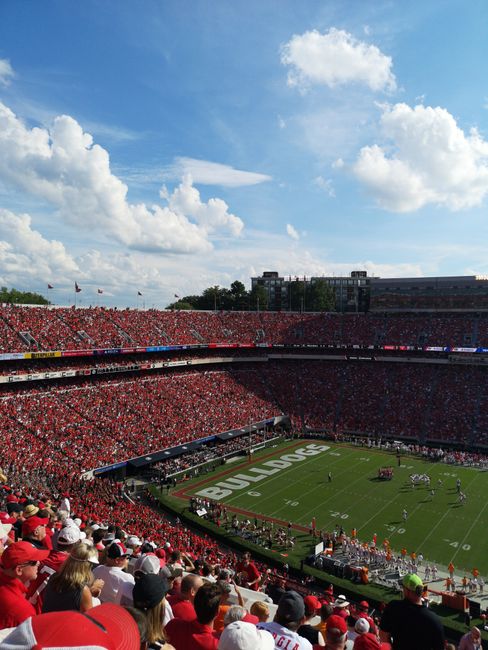
- Moving to the FBS creates a structural deficit rather than an immediate profit.
- Institutional subsidies often cover the gap between ticket sales and expenses.
- Success is measured by enrollment and brand awareness, not ticket revenue.
- Stadium upgrades require long-term debt financing.
Why do most college athletic departments operate at a budget deficit?
Does Delaware football pay for itself? The short answer is no. Most athletic departments at the college level operate at a deficit, and the university’s move to the Football Bowl Subdivision (FBS) only increases that financial pressure. While the move into Conference USA promises national exposure and more competitive matchups, it requires massive upfront spending on stadium facilities and coaching salaries. If you look at the balance sheets, this is a long-term branding gamble rather than a short-term cash play. Universities often justify these losses as essential for student recruitment and alumni engagement. But from a strictly accounting perspective, the program remains a significant draw on institutional resources.
What are the hidden costs of the University of Delaware’s FBS transition?
Transitioning to the FBS is an expensive endeavor. According to public institutional reports, the university must invest millions into stadium infrastructure, training facilities, and expanded scholarship budgets to meet conference standards. These costs aren't optional. They are the price of entry for moving up the college football ladder. So, the university carries the burden of servicing the debt on these capital projects for years to come. But you have to ask: what is the alternative? Staying stagnant in a lower division often results in declining interest and reduced alumni donations, which can be just as costly in the long run.
Does college football provide a measurable ROI for institutional branding?
The money for these programs rarely comes from ticket sales alone. Most athletic budgets rely on a combination of student fees, direct institutional support, and donor contributions. When ticket revenue falls short of projections, the university often dips into general funds to balance the books. This is the trade-off. Students and faculty might see their tuition or operational budgets squeezed to cover the gap created by athletic expansion. It is a classic move in higher education: prioritize the marketing power of a winning team over immediate liquidity.
Is the long-term brand value worth the initial investment?
There is a hidden value in the visibility that football brings. When a team competes in a higher conference, the school's logo appears on more national broadcasts and digital platforms. This acts as a perpetual advertisement for the university. Increased visibility can lead to higher application numbers, which allows the school to be more selective in its admissions process. When the applicant pool grows, the university’s ranking and academic reputation often follow. It is an indirect return on investment that is difficult to quantify, but university boards view it as a primary driver for institutional growth.
What are the primary financial risks of the FBS transition strategy?
The biggest risk is the failure to maintain a competitive product. If the team struggles on the field, the expected surge in revenue and donations never materializes. The university is then left with high overhead costs, expensive facility debt, and a product that no longer generates excitement. It creates a cycle where the school must spend even more to turn the program around. This is a common pitfall in collegiate athletics. You end up doubling down on a losing hand simply because the original buy-in was too high to abandon.
Is the current FBS financial model sustainable for Delaware?
Sustainability depends entirely on the university's ability to maintain donor interest. Without large, consistent private gifts, the program will inevitably rely on student fees to remain operational. If you look at the trend in college sports, the arms race for better facilities shows no sign of slowing down. It is a high-stakes environment where the only way to stay relevant is to keep spending. For the average observer, it is worth watching whether the administration can balance these athletic ambitions with the core mission of academic affordability.
Frequently asked questions
Most college football programs, including those at the FCS level, rely on institutional subsidies. Moving to the FBS often increases expenses significantly, requiring long-term growth in ticket sales and donations to achieve profitability.
Moving to the FBS requires significant capital investment, including stadium upgrades to meet capacity requirements, increased coaching salaries, and expanded travel budgets for conference play.
Universities often view football as a marketing expense rather than a standalone business. The ROI is measured through increased student enrollment, alumni donations, and national media exposure rather than direct ticket revenue.