Intel Stock Analysis: Understanding the Semiconductor Business Model
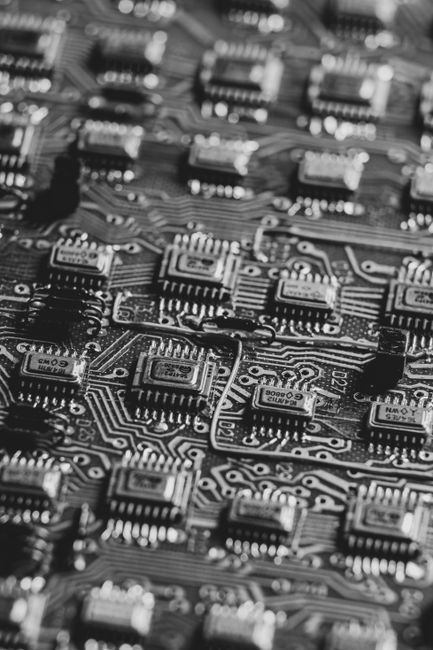
- INTC is the ticker symbol for Intel Corporation, a global semiconductor designer and manufacturer.
- The stock price reflects the company's ability to maintain a technical edge in chip production.
- Intel carries high capital costs because it owns its own factories, unlike 'fabless' competitors.
- Earnings reports provide the most accurate data regarding the company's financial health.
What drives INTC stock performance?
INTC is the ticker symbol for Intel Corporation, a company that designs and manufactures computer processors. When you buy a share of INTC, you are purchasing a fractional piece of a business that powers everything from personal laptops to massive data centers. Its value fluctuates based on the company’s ability to compete in the semiconductor market and manage its global manufacturing plants. Unlike software companies, Intel carries the heavy cost of building physical factories, often called foundries. This business model requires billions of dollars in capital investment before a single chip reaches a customer. If the company struggles to maintain its technical lead, the stock price often reflects that difficulty. Always check the official quarterly earnings reports for updates on these capital expenditures.
How does the Intel semiconductor business model work?
Intel makes money primarily by selling processors to computer manufacturers and data center operators. Its Client Computing Group provides chips for desktops and laptops, which historically served as the company's main income source. Another major segment involves data center products, where Intel competes for contracts with large cloud providers. These chips require high-end manufacturing processes to maintain performance standards. However, Intel faces a significant trade-off here. By manufacturing its own chips, it gains control over the supply chain, but it also assumes the risk of expensive equipment becoming obsolete. If their production yields drop, margins shrink quickly. Competitors who outsource production to companies like TSMC often avoid these massive overhead costs, creating a permanent pressure on Intel’s bottom line.
Why is the Intel foundry strategy critical for investors?
The core of Intel's business is its manufacturing capability. Building a modern semiconductor plant, or 'fab,' can cost over $10 billion. This high barrier to entry protects Intel from smaller competitors, but it also creates a rigid cost structure. If the company cannot fill its factories with orders, the cost per chip rises significantly. This creates a cycle where the stock price is tied directly to factory utilization rates. Investors often look at these utilization numbers to gauge whether the company is operating efficiently. When factories run at full capacity, profit margins expand. When demand drops, those same factories become expensive liabilities that weigh down the balance sheet.
How to evaluate Intel's current stock valuation
You can find the current trading price of INTC on any major financial news site or brokerage platform. Simply search for 'INTC' in the quote bar. It is standard to see the price, the daily change, and the historical trend over the last year. Avoid using social media for price checks, as these platforms often feature delayed data. Instead, visit a site like Yahoo Finance or your personal brokerage account for real-time information. Watch for the trading volume, which shows how many shares changed hands during the day. High volume often indicates a major shift in investor sentiment regarding the company.
What are the primary risks?
Investing in hardware carries distinct risks compared to software or services. Technology moves quickly, and Intel must spend heavily on research to keep its chips competitive. A single design flaw can delay a product launch by months, allowing competitors to capture market share. Furthermore, geopolitical tensions can impact the supply chain for raw materials like silicon and neon. If a manufacturing facility faces a disruption, it can take months to restore full output. These physical constraints mean that Intel cannot pivot as quickly as a software company. Investors must accept that hardware cycles are long and often difficult to predict.
Frequently asked questions
Intel's long-term potential depends on the success of its foundry business, its ability to regain manufacturing leadership, and its capacity to compete with rivals like AMD and TSMC in the AI chip market.
Intel's foundry strategy involves opening its manufacturing plants to external customers, allowing other companies to use Intel's fabrication technology to produce their own chips, effectively competing with dedicated foundries like TSMC.
Primary risks include high capital expenditure for foundry expansion, intense competition in the data center and PC markets, and the challenge of executing complex technological transitions on schedule.