How Soap Works: The Science of Surfactants and Cleaning
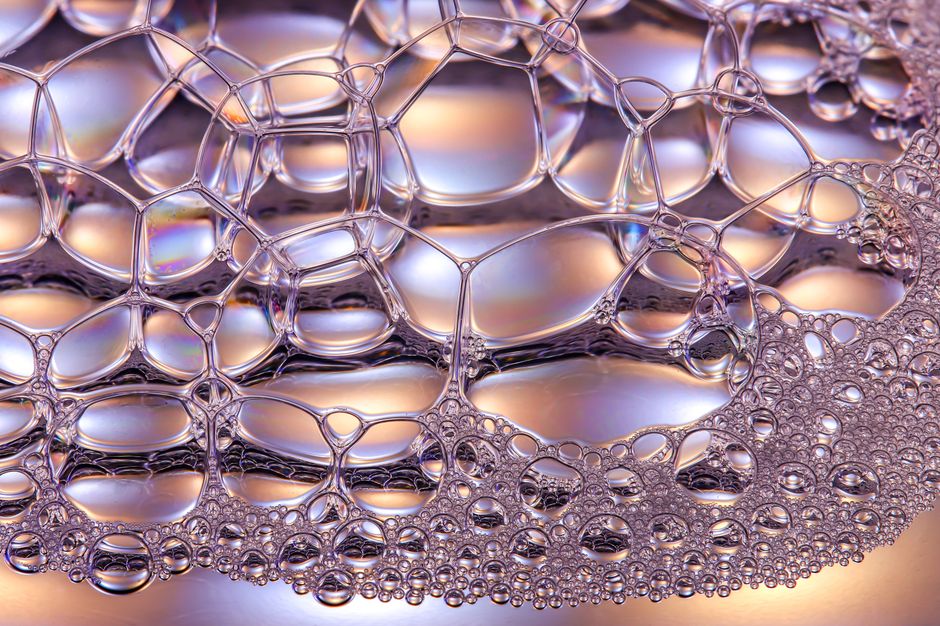
- Jabón works by lowering water tension to lift oil and bacteria.
- Surfactants are the core technology behind every cleaning product.
- Bar soap and liquid soap use different chemical stabilizers.
- Over-washing can compromise your skin's natural moisture barrier.
How Soap Cleans: The Molecular Process
Jabón is a chemical surfactant that cleans by lowering the surface tension of water. It allows water to bind with oil and dirt, lifting them from surfaces so they can be rinsed away easily. Without this molecular action, water simply beads up on greasy skin or surfaces, leaving bacteria behind. You use it every day to prevent infection and maintain skin health. It is not just about smell or lather; it is a specific tool for surface sanitation. Understanding this mechanism helps you choose the right product for your needs, whether you are washing your hands or cleaning sensitive hardware. It remains the most effective defense against surface-level pathogens.
The Science of Surfactants and Surface Tension Explained
Bar soap typically relies on saponified fats, which have a higher pH level than skin. This makes them highly effective at removing heavy grease, but they can leave a residue if your water supply has high mineral content. Liquid soap, or body wash, usually utilizes synthetic detergents known as syndets. These formulas often include moisturizers and pH balancers that keep your skin from drying out during frequent use. If you have sensitive skin, synthetic detergents are often the better choice. However, bar soaps are usually more environmentally friendly due to minimal packaging requirements. You should check the ingredient list for sodium laureth sulfate if you want to avoid specific foaming agents.
Bar Soap vs Liquid Soap: Which is Better for Your Needs?
While cleanliness is vital, over-washing can strip your skin of its protective lipid barrier. This barrier naturally keeps your skin hydrated and blocks harmful environmental pollutants. When you wash too often with high-pH jabón, you may experience dryness, cracking, or irritation. Dermatologists often suggest limiting harsh soap use to areas that actually accumulate bacteria, like the hands or feet. If you find your skin feels tight after washing, your soap is likely too aggressive for your specific skin type. Consider switching to a product labeled as a soap-free cleanser to see if your skin hydration improves within a week.
How to Choose the Right Soap for Your Skin Type
Choosing the right product comes down to your primary goal. If you are cleaning tools or greasy surfaces, a high-pH bar soap is the superior option for breaking down oils. For daily body care, look for labels mentioning glycerin or ceramides, which help restore the moisture lost during the cleaning process. Avoid products with heavy artificial fragrances if you have reactive skin, as these add no functional value to the cleaning process. Price does not always correlate with performance here. You can often find effective, simple formulations for under five dollars that outperform expensive specialty brands. Always prioritize the ingredient list over the marketing claims on the front of the bottle.
Frequently asked questions
Soap molecules feature a hydrophilic head and a hydrophobic tail. The tail binds to oils and pathogens, while the head interacts with water, allowing the soap to lift debris off the skin and rinse it away.
Soap is primarily a mechanical cleaner. While it can disrupt the lipid membranes of some viruses and bacteria, its main function is to physically detach pathogens from surfaces so they can be washed away by water.
Water has high surface tension, causing it to bead up on oily surfaces. Soap acts as a surfactant, lowering this tension and allowing water to penetrate and emulsify dirt and oils for easy removal.
Related reading
Anneke Bosch Social Media Strategy: A Personal Branding Analysis

Analyzing Radhika Ambani Media Coverage and Corporate Strategy