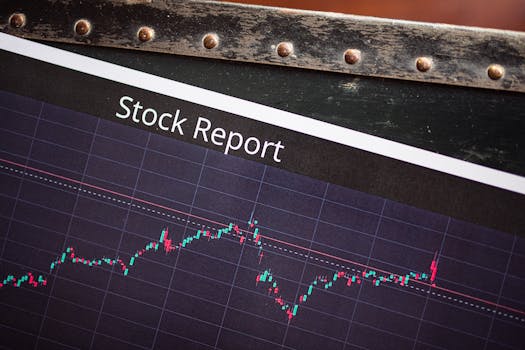
Taiwan Semiconductor Stocks vs. S&P 500: Portfolio Risk Analysis
- The Taiwan Index is a proxy for the global semiconductor supply chain.
- Concentration in a few firms drives high volatility compared to the S&P 500.
- Geographic risk remains the primary downside for index-heavy portfolios.
- Diversification strategies often involve balancing Taiwan with US or European tech.
What are the primary geopolitical risks of Taiwan tech stocks?
The Taiwan Index acts as a high-stakes proxy for the global semiconductor industry. If you want exposure to the hardware backbone of modern computing, this is where you look. But it comes with significant geographic and sector-specific concentration. While the S&P 500 offers broad exposure across many industries, the Taiwan Index leans heavily into chip manufacturing. You are essentially betting on the production capacity of a few core firms. This delivers high growth potential during tech booms, yet it exposes your portfolio to acute regional instability. Before you commit, check the current weighting of your top holdings. You need to decide if the payoff justifies the risk of relying on a single, vital link in the global supply chain.
How does semiconductor industry concentration affect portfolio volatility?
The S&P 500 provides a wider net. It includes sectors like healthcare, energy, and retail, which dilute the impact of a tech downturn. In contrast, the Taiwan Index is tightly bound to the performance of specific hardware exporters. When demand for specialized processors spikes, the Taiwan Index often outperforms the broader US market. However, when the sector cools, the drop is usually sharper. You are choosing between the stability of a diversified economy and the concentrated power of a manufacturing hub. Think of the S&P 500 as a balanced portfolio and the Taiwan Index as a targeted instrument.
Why compare Taiwan-focused funds against global index benchmarks?
Concentration is a double-edged sword. If you hold an index heavily weighted toward one or two massive chip makers, your returns move in lockstep with their specific production cycles. This avoids the noise of unrelated industries, but it leaves you vulnerable. If a disruption occurs in local power grids or logistics, your entire holding takes a hit at once. Most financial analysts suggest that single-country exposure should not exceed a set percentage of your total holdings to mitigate this. You should examine your current allocation to see if you have become overly reliant on a single region's output.
Is investing in Taiwan chip manufacturers suitable for your risk tolerance?
Geographic diversification aims to smooth out volatility by spreading risk across different political and economic zones. By pairing a Taiwan-focused index with funds in the US or Europe, you protect yourself against localized events. For example, a shift in regional trade policy might hurt one market while leaving others untouched. It is a trade-off between pure growth and long-term protection. You lose the chance to capture the full upside of a semiconductor surge, but you gain a safety net. Most investors find that a mix provides a more consistent experience over the long run.
How do semiconductor sector cycles differ from the broader market?
If you are strictly after tech exposure, you might compare the Taiwan Index to global semiconductor ETFs. These funds often include firms from the US, Japan, and the Netherlands. This approach captures the growth of chip design and equipment manufacturing alongside the physical fabrication found in Taiwan. You get the same industry growth without the same level of geographic risk. Check the expense ratios of these global funds, as they are often slightly higher than standard index funds. The cost is the price you pay for broader, more stable access to the tech sector.
Should you diversify your tech holdings beyond Taiwan?
Balancing your portfolio is rarely about picking a winner. It is about building a structure that survives market cycles. If you keep the Taiwan Index as a core part of your holdings, consider adding defensive assets that move independently. Gold, bonds, or consumer staple stocks can act as a counterweight during periods of market stress. Don't wait for a downturn to decide how much risk you can handle. Evaluate your holdings today and adjust your ratios so you aren't blindsided when the market shifts. A balanced approach keeps you in the game longer.
Frequently asked questions
Yes, the Taiwan semiconductor index carries higher risk due to geographic concentration and geopolitical tensions, whereas the S&P 500 offers broader diversification across multiple sectors and industries.
Geopolitical instability can lead to supply chain disruptions, increased insurance premiums, and market volatility, which often results in lower valuations compared to companies operating in more stable jurisdictions.
Geographic diversification is essential for tech investors to mitigate the impact of localized regulatory changes, trade disputes, and regional economic downturns on their overall portfolio performance.