Formula 1 Explained: Rules, Engines, and Aerodynamics
- F1 cars use a 1.6‑L V6 hybrid engine
- Aerodynamic downforce lets cars corner at high speed
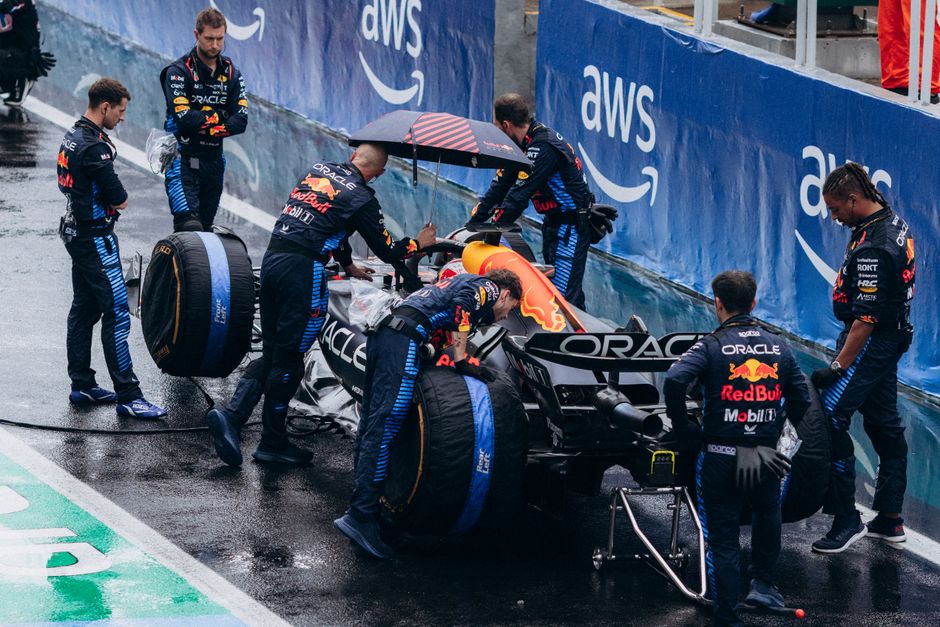
- Pit stops can be under three seconds
- Points are awarded to the top ten finishers
- A $140 million budget cap limits team spending
What are the core rules of Formula 1 racing?
Formula 1 is the top level of open‑wheel racing, where the fastest, most engineered cars compete on circuits worldwide. The cars can exceed 360 km/h, and drivers like Lewis Hamilton have turned races into global spectacles. But the sport’s glamour hides a steep price tag—teams spend hundreds of millions each season, making it the most expensive motorsport on the planet.
How do Formula 1 hybrid power units work?
At the heart of every F1 car sits a 1.6‑liter V6 turbo engine paired with an electric motor that adds roughly 160 kW of power. The system recovers energy from braking and stores it in a battery, then redeploys it for a boost on the straights. This blend of combustion and electricity delivers over 900 hp while keeping fuel use under 100 kg per race. The trade‑off is added complexity: more components mean more potential failure points and higher maintenance costs.
Why is aerodynamics critical to Formula 1 performance?
Aerodynamics is the invisible force that keeps an F1 car glued to the road. The front wing alone can generate downforce equal to the car’s weight at 200 km/h, allowing cornering speeds that would otherwise be impossible. Engineers sculpt every surface to channel airflow, but that precision makes the cars fragile—any damage to a wing can ruin performance and force an expensive replacement.
Why are pit stops essential to Formula 1 race strategy?
A typical pit stop lasts about 2.7 seconds, yet those seconds can decide a race. Crews change all four tyres, adjust front‑wing angles, and sometimes repair minor damage, all in a choreographed dance. The speed is a huge advantage, but the downside is risk: a mis‑fitted wheel or a stuck tyre gun can cost a driver dozens of positions.
Frequently asked questions
A Formula 1 race must cover a distance of at least 305 kilometers (190 miles) and typically lasts no longer than two hours, unless there is a red flag stoppage.
There are currently 10 teams in Formula 1, each fielding two drivers for a total of 20 drivers on the grid per race.
The goal of Formula 1 is to accumulate the most points over a season through race finishes, which are then tallied to determine both the Drivers' and Constructors' World Championships.