LPG for Home Heating: How It Works and What You Need to Know
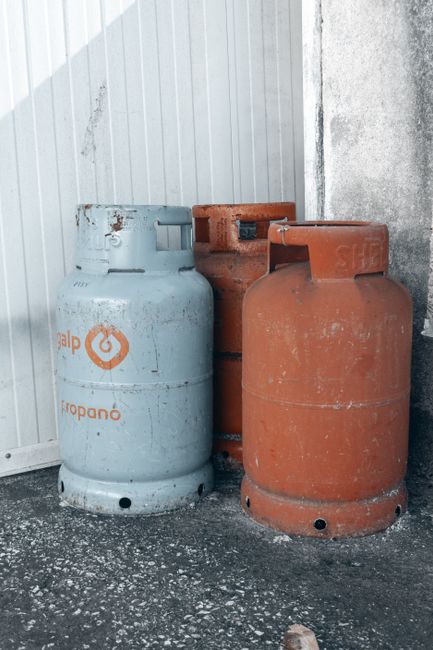
- LPG is a pressurized blend of propane and butane used when natural gas lines are unavailable.
- It requires active management of tank levels rather than a continuous utility connection.
- Safety is paramount because LPG is heavier than air and pools at floor level during leaks.
- Fuel costs vary by provider; buying in bulk typically saves money over small cylinder swaps.
How does LPG work for home heating?
LPG stands for Liquefied Petroleum Gas, a portable fuel consisting of propane, butane, or a mixture of both. It powers homes, grills, and vehicles by turning into a high-energy gas when released from pressurized containers. If you live away from natural gas lines, this is likely your primary method for cooking or heating water. It’s dense, meaning you get a lot of energy in a small amount of liquid. You’ll find it stored in cylinders or large bulk tanks buried in backyards. While it offers independence from the grid, it requires you to manage your own supply levels. Think of it as a tank of energy that you refill before it hits empty.
What are the main benefits of LPG?
It works through phase change. When stored under pressure, gases like propane turn into a liquid state. This allows suppliers to pack significant energy into small tanks. Once you turn on your stove or heater, the pressure drops, allowing the liquid to vaporize back into a usable gas. Most residential setups use a regulator to ensure the gas reaches your appliances at a safe, consistent pressure. It is efficient, but you need to monitor your tank gauge. Some modern systems now offer smart sensors that alert your smartphone when levels fall below 20 percent. This takes the guesswork out of scheduling your next delivery.
Understanding propane vs butane mixtures
Pricing for LPG fluctuates based on global energy markets. You might pay a flat rental fee for a large bulk tank, which often runs between $50 and $150 per year depending on the provider. The fuel itself is usually priced per gallon. When you buy in bulk, the per-gallon cost drops compared to swapping out small 20-pound cylinders at a hardware store. Many suppliers offer "keep full" programs. These automate deliveries based on historical usage patterns, though you should verify if these contracts include hidden delivery surcharges. Always compare the price per gallon across at least three local suppliers to avoid overpaying.
Best practices for LPG tank storage
Safety is the biggest trade-off for the convenience of portable fuel. LPG is heavier than air, meaning a leak pools at floor level rather than dissipating. You must install LPG-specific detectors near the floor of your home, especially in basements or lower levels. Ensure your tank sits on a firm, level surface at least 10 feet away from any ignition source. Check your hoses for cracks every season. If you ever smell a scent like rotten eggs, leave the area immediately. Shut off the valve if you can reach it safely, but never attempt to repair a leak yourself.
Comparing LPG to natural gas
LPG is not identical to natural gas. Natural gas is mostly methane and piped directly into homes from the utility grid. LPG contains more energy per cubic foot, but it requires periodic deliveries. Natural gas is usually cheaper per unit of heat, but it is not available in every location. If you are choosing between the two, consider the installation cost of piping. Extending a natural gas line can cost thousands of dollars, whereas an LPG tank setup is often cheaper to install upfront. However, the recurring cost of LPG fuel is generally higher than the cost of pipeline natural gas.
Is LPG the right choice for you?
Choosing LPG boils down to location and your need for control. If you lack access to a natural gas line, it remains one of the most effective ways to heat your home or cook high-quality meals. It offers a balance of portability and power. Just remember that you own the management of your fuel supply. If you are comfortable monitoring your tank levels and keeping up with basic safety checks, it is a reliable utility. Before making a final decision, speak with a local installer to get a concrete quote for your property.
Frequently asked questions
Manufacturers add a distinct sulfur-like smell, similar to rotten eggs, to help you detect leaks. If you smell this, evacuate the area immediately. Do not flip switches or create sparks. Once you are safe, contact your gas supplier or emergency services to inspect the equipment.