How ADHD Affects the Brain – Simple Explanation
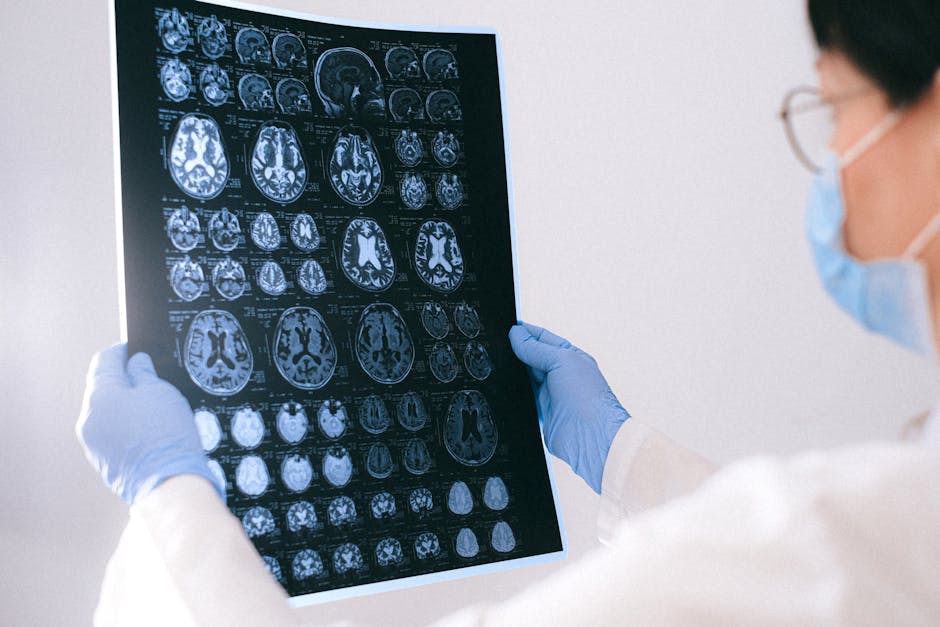
- ADHD affects roughly 5% of children worldwide
- Imbalance of dopamine and norepinephrine drives symptoms
- Brain scans show reduced activity in the prefrontal cortex
- Medication helps but may cause appetite loss
- Exercise and sleep can ease mild cases
What are the primary causes of ADHD?
ADHD is a neurodevelopmental condition that makes it hard to stay focused, sit still, or control impulses. About 5% of children and 2.5% of adults worldwide meet diagnostic criteria, according to the CDC. The brain’s wiring and chemistry don’t line up the way they do in most people, so everyday tasks can feel overwhelming. And because the brain’s “executive” center is under‑active, simple chores turn into big battles. So the core of ADHD is a mismatch between signals that say “pay attention” and the brain’s ability to act on them.
How does ADHD executive function impact daily tasks?
Two neurotransmitters—dopamine and norepinephrine—play starring roles in ADHD. Dopamine helps the brain reward effort, while norepinephrine sharpens alertness. Studies from Harvard Medical School show that people with ADHD often have lower levels of both, which blunts motivation and focus. But medication such as methylphenidate works by boosting these chemicals, making the brain’s “go” button more responsive. The downside? Some users report reduced appetite or trouble sleeping, especially if the dose is high. So the chemical picture is clear: less dopamine and norepinephrine, plus a need to balance treatment side effects.
How do ADHD neurotransmitters affect focus?
Functional MRI scans reveal that the pre‑frontal cortex—responsible for planning and impulse control—lights up less in people with ADHD. A 2022 study from the University of Cambridge found a 15% reduction in activity during tasks that require sustained attention. At the same time, the default‑mode network, which drifts during daydreaming, stays more active, pulling focus away. And this wiring pattern explains why simple distractions can feel like huge obstacles. So the brain’s network is essentially out of sync, creating the hallmark symptoms of ADHD.
What is the brain chemistry behind ADHD?
Common signs include forgetting appointments, interrupting conversations, and feeling restless even when seated. The American Academy of Pediatrics lists six core symptoms, split between inattention and hyperactivity‑impulsivity. For example, a teenager might leave homework unfinished because their mind jumps from one idea to the next. Adults often describe “mental fog” that makes meeting deadlines feel impossible. But not every person shows all signs; the pattern varies widely. So the everyday impact ranges from mild forgetfulness to serious academic or workplace challenges.
How is ADHD diagnosed?
Diagnosis relies on a structured interview, behavior rating scales, and sometimes neuropsychological testing. The DSM‑5 outlines that at least eight of nine criteria must appear before age 12 and persist for six months. A pediatrician might use the Conners‑3 questionnaire, which scores behavior on a 0‑3 scale; a total above 15 suggests further evaluation. And because symptoms overlap with anxiety or learning disorders, clinicians must rule out other causes. So a thorough assessment, not just a quick quiz, is essential for an accurate label.
What treatments help and what are the trade‑offs?
Stimulant meds like Adderall raise dopamine and norepinephrine, often improving focus by 30‑40% within an hour, according to a 2021 meta‑analysis. Non‑stimulants such as atomoxetine work slower but avoid the jittery feeling some report with stimulants. Behavioral therapy teaches coping strategies, and a 2020 study showed a 20% reduction in symptom severity when combined with medication. The trade‑off is cost: brand‑name stimulants can run $200 a month, while therapy sessions may be $120 each. Side effects—loss of appetite, insomnia, or mild anxiety—must be weighed against benefits. So treatment is effective but not without considerations.
Can lifestyle changes make a difference?
Regular exercise boosts dopamine naturally; a 2019 trial found that 30 minutes of aerobic activity three times a week reduced inattention scores by 12 points on the ADHD Rating Scale. Sleep hygiene matters too; adults who sleep at least 7 hours report fewer impulsive errors, per a study from Stanford. Nutrition plays a role as well—omega‑3 supplements showed modest improvements in a 2020 double‑blind trial. But lifestyle tweaks alone rarely replace medication for severe cases. So a balanced routine can ease symptoms, especially when paired with professional care.
Frequently asked questions
ADHD is linked to genetic variations, reduced dopamine and norepinephrine activity, and structural differences in the prefrontal cortex that affect attention and impulse control.
Adults with ADHD often struggle with planning, organizing, time‑management, and working memory because the brain regions that coordinate these tasks receive less dopamine signaling.
Yes. Regular exercise, consistent sleep, balanced nutrition, and mindfulness practices can boost dopamine levels and help mitigate inattention and hyperactivity.