GameStop Stock Analysis: Is GME a Good Investment in 2024?
- GameStop transitioned from brick-and-mortar retail to a cash-focused holding model.
- The company maintains a significant cash reserve to avoid traditional debt.
- Retail sentiment and social media engagement continue to drive market volatility.
- Current performance metrics are found in official SEC 10-Q and 10-K filings.
How has the GameStop business model changed?
GameStop transformed from a struggling mall retailer into a cash-focused holding company. This pivot matters because the business model no longer relies on physical game sales for its primary valuation. Instead, shareholders track the company’s massive cash reserves and its ability to weather market shifts without taking on significant debt. But don't mistake this for a standard growth stock. The company remains highly sensitive to social sentiment and retail investor participation. If you own GME, you are effectively betting on the company's ability to deploy that cash into a future venture. For anyone watching the charts, this means the stock price frequently detaches from traditional retail performance metrics. It’s a different kind of asset now.
Why are GameStop cash reserves critical for shareholders?
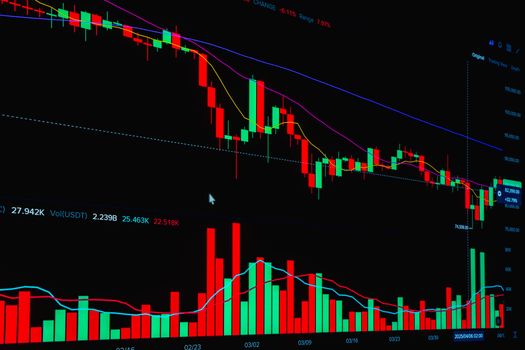
The volatility of GME is rarely tied to quarterly sales of consoles or software. Instead, the price action reflects a unique feedback loop between retail sentiment and market liquidity. When social discussion flares, trading volume spikes regardless of what is happening in the physical stores. This creates a disconnect where the price fluctuates based on community engagement rather than store-front revenue. According to historical trading patterns, this behavior often leads to sharp price swings that defy standard technical analysis. You should expect this pattern to continue as long as the brand maintains its massive, active online following. It is a classic example of sentiment-driven pricing in the modern market. If you prefer low-volatility investments, this setup will likely frustrate your risk management strategy.
What drives current GME stock volatility?
Management has prioritized maintaining a lean balance sheet over expanding the number of retail locations. By closing underperforming stores, the company has successfully reduced overhead while holding onto a war chest of cash. This capital serves as a buffer against market downturns and provides flexibility for potential acquisitions or new business lines. However, the exact plan for this capital remains thin on details. Without a public roadmap for how these funds will generate growth, investors are essentially waiting for a move that hasn't happened yet. Some analysts argue this is a prudent move in a high-interest environment, while others see it as a lack of vision. You should monitor the company's official investor relations page for any updates on capital allocation strategies.
Is investing in GameStop still a viable strategy?
Investing in GME carries significant downside, primarily due to the lack of a clear, profit-generating pivot. While the cash reserves protect the company from immediate bankruptcy, they do not guarantee future earnings growth. If the retail interest wanes, the stock could lose its primary support mechanism very quickly. Furthermore, the company faces stiff competition from digital storefronts that have largely made physical game discs unnecessary. This is not just a challenge for GameStop; it is a fundamental shift in how the entire industry operates. Because the stock price is often inflated by sentiment, a sudden shift in public interest could lead to a rapid correction. Always keep your position size small enough to handle a total loss of value.
Where should you look for reliable data?
Ignore the noise on social media forums if you want to understand the company's actual financial health. Instead, head directly to the SEC EDGAR database to read the company's latest 10-Q or 10-K filings. These documents provide the only audited view of how much cash is on hand and what the debt obligations are. Look specifically at the 'Management’s Discussion and Analysis' section to see what the executives are saying about their own future plans. If the company has made a major change, it will be disclosed in these documents long before it hits the headlines. Checking these numbers yourself is the only way to separate corporate reality from internet speculation. It takes about ten minutes to read the summary, and it is worth every second.
Frequently asked questions
While GME gained fame as a 'meme stock' due to social media-driven volatility, it is now analyzed primarily based on its fundamental business pivot, cash position, and retail investor sentiment.
No, GameStop does not currently pay a dividend. The company prioritizes reinvesting its cash reserves into its business transformation and operational efficiency.
The primary risks include high stock price volatility, the ongoing decline of physical retail gaming, and the uncertainty surrounding the success of the company's digital business model pivot.