QQQ Stock Analysis: Pros, Cons, and Portfolio Strategy
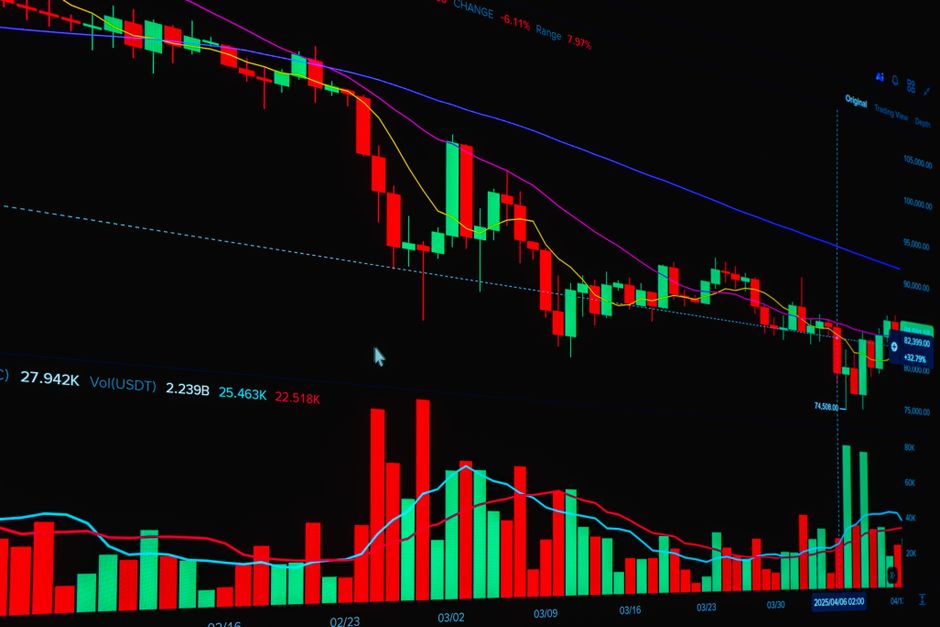
- QQQ tracks the Nasdaq-100, focusing on non-financial technology leaders.
- The fund is heavily concentrated in a few mega-cap companies.
- Volatility is higher compared to broader market funds like the S&P 500.
- Regular rebalancing affects which companies hold the most weight.
How the Nasdaq-100 Index Shapes QQQ Performance
QQQ tracks the Nasdaq-100 index, giving you exposure to the largest non-financial companies listed on the exchange. As of September 22, 2026, the fund remains heavily weighted toward technology giants, which dictates its performance. If you hold QQQ, you are betting on the continued growth of large-cap tech. But you are also accepting higher volatility compared to broader market indices. Investors choose this fund for its historical growth, yet it carries the risk of sector concentration. Understanding these trade-offs is essential for managing your portfolio effectively. Keep these factors in mind before making any changes.
Managing Tech Stock Volatility in Your Portfolio
The Nasdaq-100 is not static; it changes through periodic rebalancing. When a company loses market share or drops below specific valuation thresholds, it gets removed. And a new, growing firm takes its place. This mechanism ensures the index stays focused on the most relevant companies of the time. You should check the official Invesco holdings list to see which companies currently hold the top five spots. Often, these positions shift based on quarterly earnings reports and market capitalizations. This constant churn is why QQQ looks different today than it did five years ago.
Is QQQ the Right ETF for Your Investment Strategy?
A significant feature of QQQ is its heavy reliance on a few dominant tech companies. In many periods, just a handful of stocks account for a massive portion of the fund's total value. This means your returns are tied to the performance of those specific firms. When they do well, the fund performs exceptionally. But if these specific companies face regulatory issues or slowing growth, the entire fund suffers. You are essentially trading diversification for the potential of high-growth tech returns. It is a calculated risk that you must accept.
QQQ vs. S&P 500: Comparing Growth and Risk
Comparing QQQ to an S&P 500 fund shows a clear difference in strategy. The S&P 500 includes 500 companies across all sectors, including financials and utilities. QQQ stays focused on 100 non-financial firms. Because of this, QQQ often shows higher price swings. Over the long term, the performance gap between the two varies based on whether tech is outperforming the broader economy. If you hold both, you are likely overlapping significantly in your top holdings. Check your overall allocation to ensure you aren't over-exposed to the same tech giants.
Best Practices for Rebalancing Your QQQ Holdings
You might consider rebalancing if your tech exposure exceeds your personal risk tolerance. If QQQ has grown to represent 40% of your total portfolio, a market dip in tech could hurt your overall net worth. Many investors set a target percentage and sell a portion of their gains when it exceeds that limit. But timing the market is difficult. Instead, look at your original goals. If you bought QQQ for long-term growth, a temporary drop might not require a move. Only change your strategy if your financial situation or risk tolerance has shifted.
Tools for Tracking QQQ Performance and Market Trends
You can monitor the fund's price by checking financial news sites or your brokerage account. Look for the ticker symbol QQQ to see the current share price and daily percentage change. Pay attention to the expense ratio, which is the fee charged for managing the fund. While QQQ is generally cost-effective, you should verify the current annual fee on the official Invesco website. Comparing this fee to similar ETFs can help you confirm you are getting the best value. Stay informed by checking these figures every few months.
Frequently asked questions
QQQ is often considered a strong long-term investment for those seeking exposure to high-growth technology companies, though it carries higher volatility compared to broad-market index funds like the S&P 500.
QQQ tracks the Nasdaq-100, which is heavily weighted toward technology and growth stocks, whereas S&P 500 ETFs provide broader diversification across all major sectors of the U.S. economy.
The Nasdaq-100 index undergoes a formal rebalancing annually in December, though it may also be adjusted periodically to account for corporate actions like mergers, acquisitions, or delistings.