Why Human Artistic Intent Remains Essential in Generative AI Filmmaking
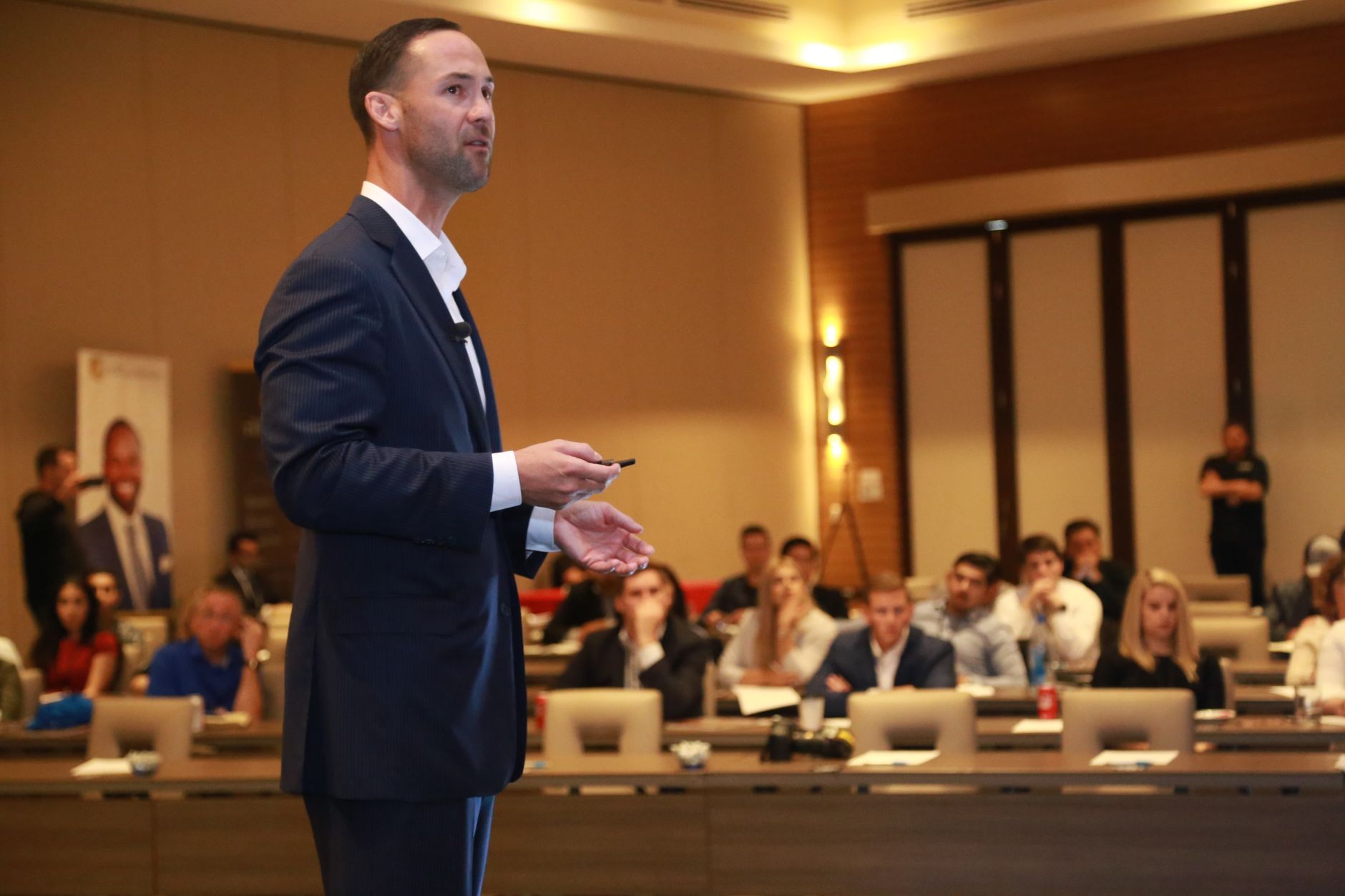
- Generative AI acts as a tool for artists, not a replacement for creative intent.
- Human judgment is mandatory to refine and direct AI-generated visual elements.
- Netflix’s Eyeline GenFX prioritizes augmenting the filmmaking process.
- Technological efficiency does not remove the need for artistic vision.
How does an AI creative workflow impact film quality?
Generative AI in filmmaking remains a tool that requires specific human artistic judgment to function effectively. According to James Rustad, chief of Netflix’s Eyeline GenFX, the technology cannot replace the creative choices that define a project. Speaking at the Busan event on October 10, 2026, Rustad emphasized that while AI can handle technical tasks, it lacks the subjective eye of an artist. You should view these tools as assistants rather than autonomous creators. The human element ensures that the final output aligns with the director's vision. Without this oversight, the work loses the nuance that audiences expect from high-quality film production. It is a partnership between software and human expertise.
What is the role of Netflix Eyeline GenFX in modern cinema?
Why does Netflix insist on human judgment? The answer lies in the nature of creative intent. According to Rustad, AI is capable of generating vast amounts of content, but it does not understand the emotional weight of a scene. The artist must decide when an AI-generated element serves the story and when it distracts from the narrative. This distinction is vital for maintaining creative integrity. So, filmmakers use these tools to iterate faster, yet they keep the final decision-making power firmly in their own hands. If you are an artist, your role is shifting from manual labor to creative curation. You spend less time building assets from scratch and more time refining the direction of the machine's output.
Why are AI film production tools considered assistants rather than creators?
This approach directly impacts visual effects artists, directors, and production designers. These professionals now find themselves managing AI systems rather than just executing manual tasks. According to Rustad’s remarks at Busan, the industry standard is evolving to accommodate this hybrid model. It affects anyone currently working in film production who wants to remain competitive. But it also creates a new requirement for technical literacy among creative staff. You have to learn how to guide the AI to get the results that fit your specific aesthetic. If you ignore this change, you risk falling behind those who have integrated these tools into their workflow.
Recommended Resources for AI-Driven Filmmakers
Keep an eye on how production studios implement new AI guidelines. According to the discussion at Busan, the industry is still defining the boundaries between automation and artistry. You should look for updates from Netflix regarding their Eyeline GenFX toolset to see how they refine their artist-first approach. Watch how other major studios balance their own AI adoption with the preservation of creative jobs. It is also worth observing how film festivals address AI-assisted entries in the coming seasons. The way these organizations categorize creative work will tell you a lot about the industry's long-term direction.
Future Challenges for AI in Film Production
Several questions regarding the long-term impact of these tools remain unanswered. We do not know exactly how the balance between human labor and AI generation will stabilize over time. According to the current situation described by Rustad, the industry is still experimenting with these workflows. We also lack a clear industry standard for crediting AI-assisted work in final film productions. Whether these tools will eventually lower production costs or simply increase the complexity of visual storytelling is still being determined. Until more data emerges, we are observing a period of significant technical transition in cinema.
- Generative AI Still Needs Artists’ Judgment, Says Netflix’s Eyeline GenFX Chief James Rustad at Busan — Google News, Oct 10, 2026
- Generative AI Still Needs Artists’ Judgment, Says Netflix’s Eyeline GenFX Chief James Rustad at Busan — Google News, Oct 10, 2026
Add NewsPulse Time as a preferred source on Google
Frequently asked questions
No, AI lacks the subjective human experience and artistic intent required to guide narrative, pacing, and emotional resonance, which remain the core responsibilities of a director.
Netflix Eyeline GenFX is a specialized generative AI toolset designed to assist in visual effects, enabling creators to iterate on imagery while maintaining strict directorial control over the final output.
Fixing AI video artifacts typically requires hybrid cinematography techniques, which combine AI-generated assets with traditional filming methods and manual post-production oversight to ensure visual consistency.



