New FIA Regulations for Formula 1 Software Testing
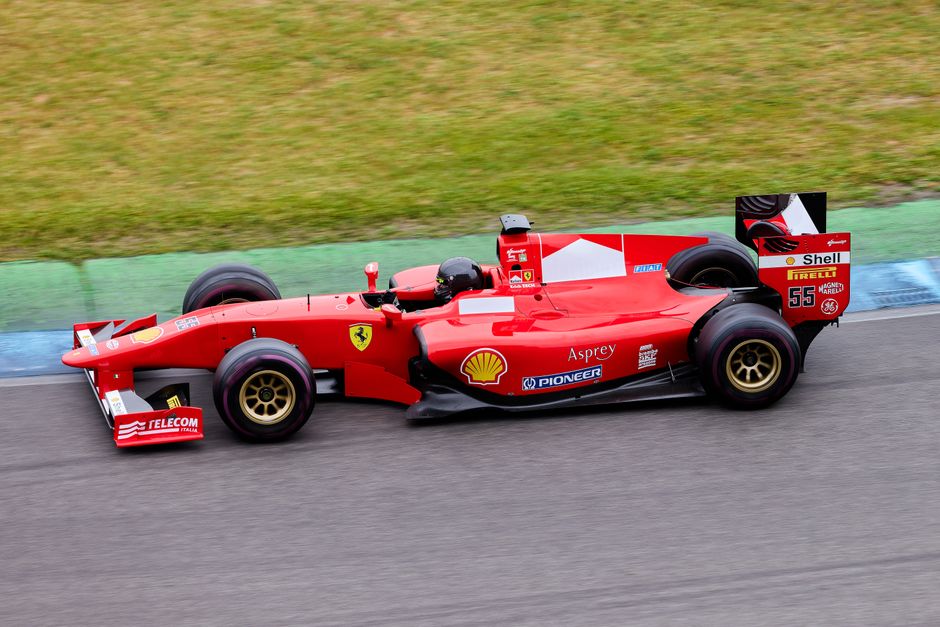
- Software failures caused multiple F1 cars to lose power during the Malaysia race.
- The FIA is shifting to a more rigorous inspection process for team code.
- Stricter testing aims to catch bugs before they reach the track.
- Increased oversight may impact the speed of software development for teams.
Why is the FIA updating Formula 1 electronic systems?
Modern Formula 1 cars function as rolling supercomputers that process thousands of data points every second. They rely on complex software to manage engine performance, energy recovery, and power delivery to the wheels. When that code encounters an unexpected input, the car’s computer may trigger a safety shutdown to protect the physical hardware from damage. In Malaysia, this exact scenario caused several cars to stop dead on the circuit. It turns out that the software could not handle the specific conditions of the race. The FIA now plans to strengthen its inspection process to ensure these electronic systems remain stable under extreme heat and intense vibrations. By focusing on these digital vulnerabilities, officials hope to prevent similar shutdowns in future events.
How does F1 software architecture impact race reliability?
The FIA currently requires teams to submit their software architecture for review to ensure it meets strict power unit regulations. Technical delegates look for prohibited features that might grant an unfair performance advantage. But checking code is far more difficult than checking the weight of a physical wing or a fuel tank. Teams often use simulation environments to mimic race conditions before they ever reach the grid. The FIA is now moving to demand more transparency from these simulations. They want to see how the software behaves when sensors report conflicting data. This process effectively forces teams to prove their code can survive a variety of failure states. It moves the goalposts from simple compliance to functional reliability.
What are the new FIA technical regulations for software?
Real-world racing is messy and unpredictable. Sensors can get clogged with debris, and electrical connectors can vibrate loose during a high-speed lap. Software is designed to react to these anomalies in milliseconds to keep the car running safely. But when the code is too sensitive, it creates a persistent risk of failure. If the software interprets a minor sensor glitch as a terminal engine threat, the car shuts down to prevent an expensive fire or explosion. This is the trade-off inherent in high-performance engineering. You want the system to be smart enough to protect itself. But you also need it to be resilient enough to finish the race despite minor technical hiccups.
Why is automotive software safety critical for modern F1?
The FIA technical department handles the oversight of all electronic components in the sport. They use specialized tools to verify that team software adheres to the technical regulations set by the governing body. According to the FIA, this process involves checking the version control of the software to ensure no unauthorized changes were made between qualifying and the race. The challenge lies in the sheer volume of code involved in a modern F1 power unit. Hundreds of thousands of lines manage everything from ignition timing to brake bias. It is a massive task for any oversight team to ensure every single subroutine is safe. They rely on audits to catch issues that could compromise the field.
What are the risks of stricter testing?
Moving to a more rigorous testing process carries a distinct downside for the teams. If the FIA forces engineers to simplify their code to meet higher reliability standards, some teams might lose their unique performance edge. Innovation often involves taking risks with software architectures that push the limits of what is possible. Stricter rules can inadvertently stifle this experimentation. Furthermore, teams might find that their development cycles slow down significantly as they prepare for these new inspections. It is a balancing act between safety and the competitive spirit that drives the sport. The FIA must find a way to ensure cars stay on the track without forcing everyone to use the same outdated, overly cautious software.
Will this change how races are won?
These changes will likely shift the focus of race weekend preparations. Teams will need to spend more time on reliability testing rather than just raw performance gains. If a car stops on track, the team loses valuable data and points, which can be the difference between a championship win and a loss. So, engineers will probably prioritize stability in their software updates. And fans might notice fewer mid-race retirements caused by mysterious electronic gremlins. While the racing remains fast and competitive, the behind-the-scenes engineering will become much more conservative. It is a necessary shift to keep the cars moving for the duration of the event.
Frequently asked questions
The FIA is updating regulations to minimize electronic system failures and race-day shutdowns by ensuring software can withstand the extreme operating conditions inherent in modern Formula 1.
Rigorous software testing validates that complex electronic control units and vehicle architectures remain stable under high-stress conditions, such as extreme heat, vibration, and high-speed data processing.
While the primary goal is safety and reliability, these regulations influence how teams develop and optimize their software, which can indirectly impact race strategy and overall car performance.
Related reading
Badger Meter OneNetwork: Benefits and Challenges for Water Utilities
How to Start a Career in European Semiconductor Manufacturing