Carpenter Technology (CRS) Stock Analysis: Growth and Margin Trends

- Record earnings indicate a shift from volume-based to value-added pricing.
- High-performance alloys are now critical components for aerospace and energy.
- The company faces risks linked to supply chain costs and contract volatility.
- Investors are reconsidering CRS as a premium materials play rather than a cyclical stock.
What drove the latest Carpenter Technology earnings?
Record earnings for Carpenter Technology signal a fundamental shift in how the market views the specialty metal manufacturer. These numbers prove that demand for high-performance alloys is currently outstripping the company's production capacity. Investors previously viewed CRS as a cyclical play linked to aerospace and defense, but the performance shows a move toward higher margins and premium pricing power. This transition from a volume-based business to a value-added supplier changes the long-term investment narrative significantly. It suggests that Carpenter isn't just selling steel; they are selling critical components that high-tech industries cannot build without. The narrative has moved from surviving market cycles to controlling the supply of essential materials.
How is the specialty alloys market evolving?
Carpenter Technology operates by taking raw metals and refining them into specialized alloys that withstand extreme conditions. Think of these as the 'super materials' required for jet engines, medical implants, or power generation equipment. Instead of selling commodity steel by the ton, they sell highly engineered products with specific heat-resistant or strength properties. This allows them to charge a premium that commodity producers cannot command. When demand for aerospace increases, Carpenter benefits because they hold the patents and manufacturing processes for these specific alloys. They effectively own a niche in the supply chain where the barrier to entry is extremely high. Competitors cannot simply replicate these materials overnight, which gives Carpenter a distinct advantage in pricing.
Is CRS stock performance still tied to aerospace materials demand?
Modern technology relies on hardware that must survive environments where standard aluminum or steel would fail. Whether it is an engine component in a commercial jet or a part for a geothermal energy plant, these materials are the silent foundation of industrial progress. As hardware companies push for higher efficiency, they require alloys that can hold their shape at higher temperatures. Carpenter provides the data-backed materials science needed to make these engineering feats possible. It is a bridge between pure laboratory research and mass-scale industrial manufacturing. Without these specific metallic structures, the performance of next-generation aircraft and energy systems would be physically impossible.
What are the risks in this investment story?
Despite the record figures, the narrative carries significant risks that every investor must weigh. The most prominent issue is supply chain volatility, as the cost of raw materials like nickel or cobalt can fluctuate wildly. If these input costs rise faster than the company can adjust its contract pricing, margins will shrink quickly. Furthermore, the company relies heavily on a few large contracts in the aerospace and defense sectors. A delay in a major aircraft program or a shift in government defense spending can leave production lines idle. These are not 'set it and forget it' assets; they are highly sensitive to global industrial schedules. You should watch their quarterly reports for any signs of contract renegotiations or margin compression.
Is this growth sustainable long-term?
Sustainability in this industry depends on the company's ability to keep its manufacturing lead while managing costs. If they continue to invest in proprietary alloy development, they can maintain their premium pricing status. However, if cheaper alternatives enter the market, that pricing power will face pressure. The current investment narrative suggests that the move toward specialized, high-margin products is intentional and durable. It is a departure from the historical reliance on general industrial demand. Whether this persists depends on the consistent demand for high-performance components in the aerospace sector. Watch for sustained capital expenditure in their plants as a sign that they expect this demand to continue.
Frequently asked questions
Carpenter Technology is transitioning from a cyclical aerospace supplier to a high-margin specialty alloy provider. Long-term performance depends on the company's ability to maintain these margins and diversify its industrial end-markets beyond aerospace.
Historically, Carpenter Technology has been heavily tied to aerospace cycles. While aerospace remains a core revenue driver, the company is actively shifting its business model to reduce volatility and increase profitability through high-margin specialty alloy sales.
Key risks include fluctuations in raw material costs, potential slowdowns in the aerospace and defense sectors, and the challenge of sustaining high-margin growth amidst broader macroeconomic volatility.
Related reading
Jim Cramer’s Software Stock Warning: What Investors Need to Know
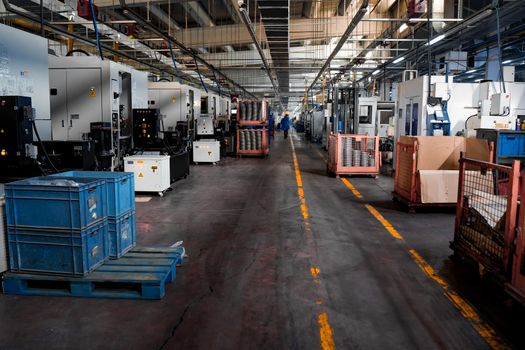
Tour the Premier Technology Blackfoot Manufacturing Facility
ESKO Software Update: AI Part Creation and NC Programming Features