Why Modern Microprocessors Still Rely on 1970s Architecture
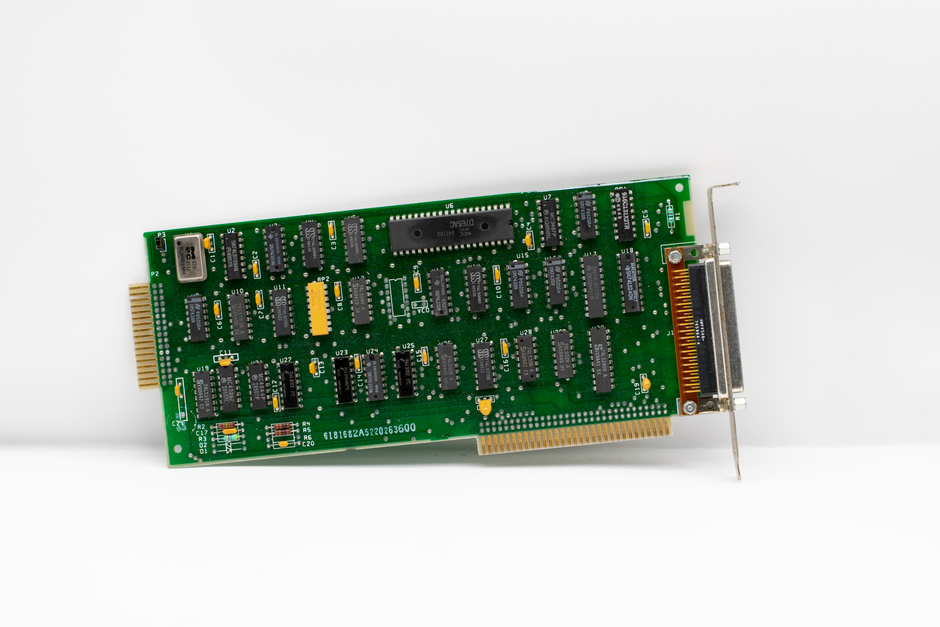
- The 1970s introduced the microprocessor, enabling all modern computing.
- Foundational networking protocols like Ethernet were born in 1973.
- Current software often carries the technical debt of 50-year-old design choices.
- Hardware simplicity from the 70s offers a model for modern usability.
How did the Intel 4004 impact modern hardware?
The 1970s are not ancient history; they are the literal architecture of the device in your hand. Every time you open a browser or save a file, you are relying on systems designed when the microprocessor was just finding its footing. In 1971, Intel released the 4004, the first commercially available microprocessor, which condensed the power of room-sized mainframes into a single chip. But it wasn't just about shrinking hardware. These years established the rules for how machines talk to each other and how we interact with them. If you want to understand why your computer acts the way it does, you have to look at the constraints engineers faced half a century ago.
Why do legacy computing systems persist in modern devices?
Before the 1970s, computers were massive, stationary objects restricted to universities and large corporations. The introduction of the Intel 4004 in 1971 changed that trajectory forever by making logic programmable and affordable. Suddenly, developers could embed intelligence into smaller machines, leading to the Altair 8800 in 1975. This machine cost roughly $439 as a kit, and it proved that hobbyists wanted their own computers. Because these early machines had limited memory, developers were forced to write incredibly efficient, tight code. That focus on efficiency is a lost art in modern development where RAM is abundant. We still see this legacy in how operating systems manage tasks, prioritizing the same core concepts of interrupt handling and memory allocation developed during that decade.
What defined 1970s computer engineering constraints?
Modern connectivity is built on standards that were experimental in the early 1970s. For instance, Robert Metcalfe developed the concept for Ethernet at Xerox PARC in 1973. It was designed to connect workstations within a single building, a radical idea when most data moved over slow telephone lines. This shifted computing from an isolated activity to a collaborative one. While today's fiber optics are light-years faster, the fundamental logic of packet-based communication remains unchanged. The trade-off is security. These protocols were built for small, trusted networks, not the global, hostile internet we navigate now. This is why we are still retrofitting security layers onto foundations that were never meant to handle billions of connected devices.
How does the history of modern hardware dictate current performance?
The downside of this 1970s foundation is something engineers call technical debt. Much of the infrastructure running global banking and power grids is built on languages like C or even older relics from that era. These systems are incredibly stable, but they are also brittle when faced with modern cyber threats. Replacing them is a massive undertaking because they are so deeply woven into the fabric of our digital lives. When you experience a system outage, it is often because a modern interface is trying to talk to a 1970s-era database. It is a constant tug-of-war between the need for new features and the reality of ancient, underlying code.
Can 1970s design improve your workflow?
There is a quiet power in 1970s design philosophy that we could use more of today. Early systems were built with a clear, singular purpose, often controlled by a command line that demanded precision. Modern software is often cluttered with features that distract users rather than helping them finish a task. If you look at the Apple I, released in 1976, it was a simple circuit board designed to be understood by the user. It didn't try to be a camera, a social network, and a music player all at once. By simplifying your own digital tools, you might find the same focus that defined the pioneers of the personal computing movement.
Frequently asked questions
Modern processors maintain backward compatibility with 1970s instruction sets to ensure legacy software continues to run, prioritizing ecosystem stability and software continuity over radical architectural redesigns.
The Intel 4004 was the world's first commercially available microprocessor. It established the fundamental logic gate structures and instruction set architectures that serve as the blueprint for modern computing.
While legacy code can introduce vulnerabilities, modern hardware mitigates these risks through virtualization, hardware-level sandboxing, and advanced firmware security layers that isolate older processes from the main system.