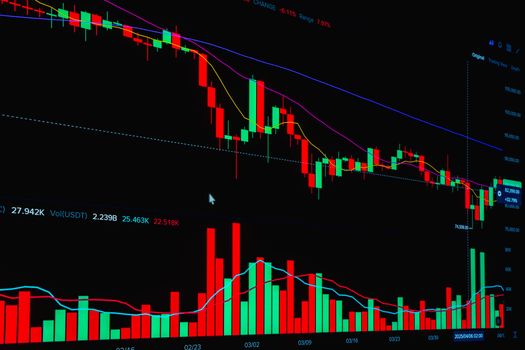
How El Niño Impacts Your Portfolio: Investment Risk Strategies
- El Niño acts as a silent tax on global supply chains and manufacturing.
- Commodity prices often spike due to crop failures in equatorial regions.
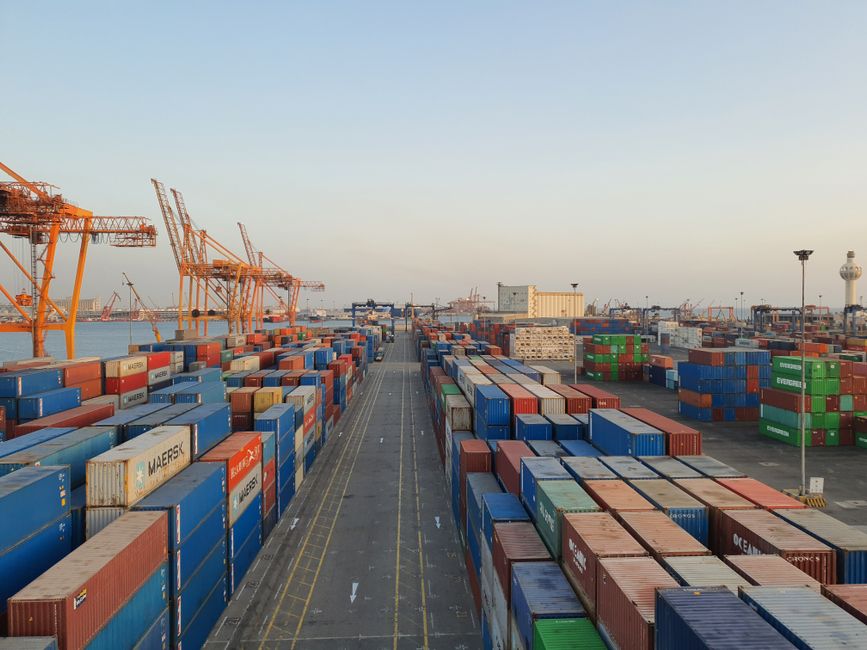
- Shipping costs frequently rise when weather patterns disrupt major trade routes.
- Investors should check local crop yield reports to gauge sector-specific risks.
How does El Niño cause supply chain disruption?
El Niño is not just a weather event; it is a hidden tax on your investment portfolio. This climate phenomenon disrupts global supply chains, inflating prices for everything from coffee to copper. When sea surface temperatures rise, shipping lanes clog and crop yields plummet across the equator. Investors often focus on insurance claims from storms, but they ignore the silent erosion of profit margins in manufacturing and logistics. You need to look beyond the headlines to see how these climate shifts drain capital. By accounting for these weather-induced supply shocks now, you can better protect your holdings from the inevitable volatility that follows. It is a fundamental shift in how you must view your assets.
How to manage weather-induced market volatility
Rising temperatures force a rapid change in agricultural output. When drought strikes key regions in South America or Southeast Asia, the price of staples like soybeans, sugar, and coffee tends to climb. These commodities are foundational to the global food index. If you hold shares in consumer packaged goods companies, watch their quarterly reports for rising input costs. These firms often pass expenses to you, the consumer, which ultimately hurts their margins. Check the latest commodity futures data to see how market sentiment reacts to shifting rain patterns. It is rarely a linear relationship, but the correlation between weather and food inflation remains one of the most reliable signals for investors.
Why climate risk is a long-term investment concern
El Niño creates chaos for shipping routes that rely on precise water levels. For example, lower water levels in key transit canals can force vessels to carry lighter loads or wait weeks for passage. These delays increase fuel consumption and operational overhead for global shipping firms. When a freighter sits idle in a queue, every hour costs the parent company money. You should look at the operating margins of logistics providers during these periods. If a company lacks the flexibility to re-route, their bottom line will suffer long before the storm clouds gather. Costs add up quickly when the entire supply chain slows down.
How El Niño drives energy sector volatility
Power generation often faces immense pressure during extreme climate shifts. In regions where hydropower accounts for a large share of electricity, drought can force utilities to rely on more expensive, carbon-heavy fuels. This shift increases costs for industrial manufacturers who depend on cheap, stable electricity. If you own utility stocks, pay attention to their fuel mix and regional exposure. A company relying heavily on hydro in an El Niño-affected zone is a higher risk than one with a diversified energy portfolio. You should verify their energy source breakdown in their annual filings.
The impact of El Niño on insurance premiums and secondary markets
We often talk about the property damage caused by storms, but the real financial impact lives in the reinsurance market. When catastrophes become more frequent, insurance companies raise premiums across the board to cover their potential losses. This increases the cost of doing business for almost every sector, from small retail shops to large-scale real estate developers. If you are invested in real estate, check how increased insurance premiums are impacting net operating income. You might find that properties in certain zones are becoming less profitable despite rising rents. The downside is clear: higher expenses eventually eat into your dividend payouts.
Using diversification as a hedge against climate risk
You cannot stop the weather, but you can build a portfolio that resists it. Instead of betting on single-sector success, look for firms that have built redundancy into their supply chains. Companies that source materials from multiple continents are better positioned than those relying on a single, weather-sensitive region. It is about identifying which businesses have the cash flow to absorb a temporary spike in costs. If you hold high-yield bonds or stocks, stress-test them against supply chain shocks. A resilient portfolio is one that considers these long-term weather patterns before they hit the balance sheet. Do not wait for the storm to realize your portfolio is exposed.
Frequently asked questions
El Niño impacts the stock market primarily through supply chain disruptions and commodity price fluctuations. It can cause volatility in sectors heavily dependent on agriculture, energy, and logistics by disrupting production cycles and increasing operational costs.
The most vulnerable sectors include agriculture (due to crop yield volatility), energy (due to changes in heating/cooling demand), and insurance (due to increased claims from extreme weather events).
Investors can hedge against climate risks by diversifying portfolios across sectors less sensitive to weather patterns, utilizing commodity futures to offset price volatility, and prioritizing companies with robust climate-resilience strategies.