Scaling Biosensing Technology: Lessons from Sava Technologies
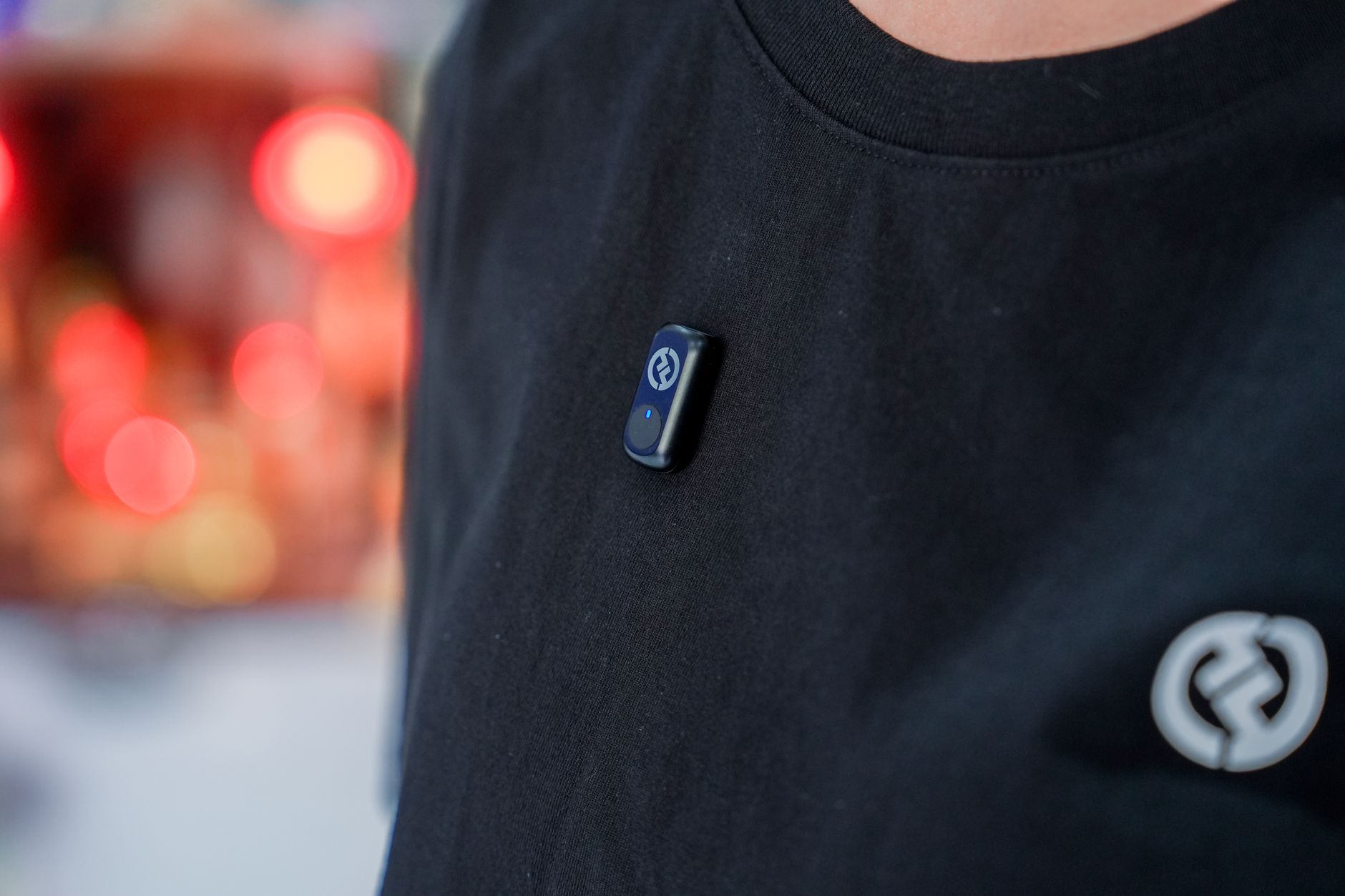
- Sava Technologies has entered a commercial scaling phase following a Series B funding round.
- Nelson Advisors identifies production costs and clinical validation as primary scaling hurdles.
- The analysis highlights a shift from research-focused applications to broader market availability.
- Investors should monitor how the company balances sensor accuracy with mass-market manufacturing.
What are the primary biosensor manufacturing challenges?
Sava Technologies moved into a phase of commercial scaling following its Series B funding round, according to a report from Nelson Advisors. This analysis details the firm's transition from research-heavy development to broader market availability. Investors and industry observers are now focused on how the company manages production costs and user adoption challenges. Scaling requires more than just capital; it demands precise manufacturing and consistent clinical results to satisfy potential users. According to Nelson Advisors, the company must now prove its sensor accuracy at scale. This transition represents a significant test for the biosensing industry. The path ahead hinges on whether the technology can maintain performance while moving beyond specialized applications.
How does commercializing medical devices impact clinical results?
Scaling a biosensing platform involves moving from controlled environments to the unpredictable nature of daily life. According to Nelson Advisors, the jump to mass production often exposes weaknesses in hardware durability and data consistency. If Sava Technologies succeeds, they could set a new standard for wearable health monitoring. If they struggle, it highlights the technical friction inherent in biosensing devices. The company is currently balancing the need for growth with the requirement for clinical precision. Investors should look at the specific manufacturing partners Sava selects to handle this volume. It is not enough to have a working prototype in a lab setting. The market demands a device that performs reliably on a diverse range of users every single day.
What drives biosensing market adoption?
Patients and healthcare providers stand to gain the most if this commercial scaling succeeds. Access to continuous, accurate biosensing data allows for proactive health management rather than reactive care. However, the immediate impact falls on investors who provided the Series B funding. They are betting on the company's ability to lower unit costs while maintaining medical-grade accuracy. Device manufacturers and competitors will also watch this closely. If Sava manages to scale efficiently, it may force other companies to rethink their own production timelines. The outcome will influence investment trends in the wearable sector for the coming months.
Key Lessons from Sava Technologies in Biosensor Scaling
The specific timeline for mass-market availability is not yet clear, according to the Nelson Advisors report. While the funding is secured, the report does not detail the exact production capacity or the pricing strategy for the final consumer product. Readers should check the company’s official investor relations page for updates on production milestones. It is also unclear how the regulatory environment will shift as the user base grows. These uncertainties are typical for companies in this stage of development. We will have to wait for further announcements to see if the company hits its internal targets.
- Nelson Advisors: Next Generation Wearable Biosensing - Market Analysis of Sava Technologies’ Series B and Commercial Scaling — Google News, Oct 10, 2026
Add NewsPulse Time as a preferred source on Google
Frequently asked questions
The primary challenges include maintaining sensor sensitivity at scale, ensuring batch-to-batch consistency, and meeting stringent regulatory requirements for medical-grade hardware.
Commercialization often requires balancing cost-effective manufacturing with high-precision performance; if manufacturing shortcuts are taken, clinical reliability and data accuracy can suffer.
Market adoption is driven by the demand for real-time health monitoring, advancements in miniaturization, improved clinical validation, and the integration of AI for data interpretation.