RadNet AI Prostate Screening: Reducing Unnecessary Biopsies
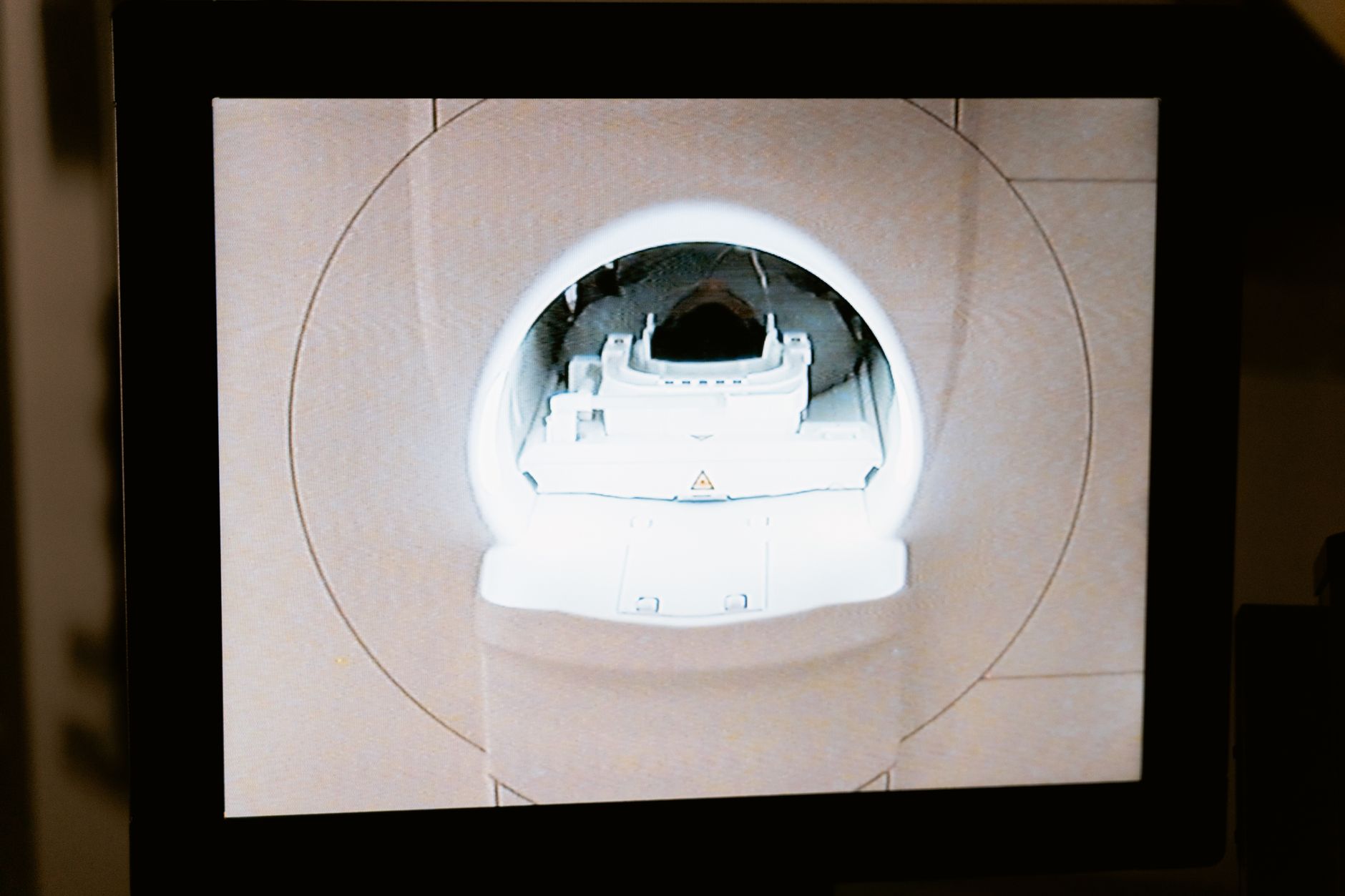
- RadNet’s AI tool identifies patients who may safely skip prostate biopsies.
- The software could reduce the total number of invasive biopsy procedures by nearly 20%.
- Clinical implementation shifts reliance toward automated imaging analysis.
- Patients should discuss the accuracy of AI-driven results with their doctors.
Benefits of AI-Driven Prostate Screening Alternatives
RadNet’s AI tool assists clinicians in identifying patients who may safely avoid prostate biopsies, potentially reducing the total number of these procedures by nearly 20%, according to information from October 12, 2026. This technology uses automated analysis to review imaging data. It helps doctors distinguish between lesions that require immediate intervention and those that do not. By refining how clinicians screen for prostate issues, the tool aims to lower the rate of invasive testing. Patients who previously faced mandatory biopsies now have an alternative way to assess their risk levels. The shift toward this tool changes how diagnostic decisions occur during routine checkups.
How AI Medical Imaging Enhances Prostate Diagnostic Accuracy
The system processes medical images to highlight specific patterns associated with prostate health. Clinicians use these automated findings to decide if a biopsy is medically necessary for an individual patient. According to the data provided, this screening process targets a 20% reduction in unnecessary procedures. It relies on internal algorithms to interpret visual data that might otherwise be ambiguous to the human eye. Doctors maintain the final say in treatment plans, but the software provides the primary evidence for skipping a biopsy.
Reducing Unnecessary Prostate Biopsies with AI Technology
Reliance on automated tools introduces risks that patients must consider before opting out of a biopsy. If the software fails to detect a specific marker, a patient could experience a delay in identifying a health issue. No diagnostic tool is perfect, and false negatives remain a possibility in medical imaging. Patients should ask their doctors about the specific error rates of the software before trusting its output. It is also unclear how the system performs across different patient demographics or age groups. You should verify whether your specific clinic uses this tool and what their protocol is if the AI result conflicts with a physician's physical examination.
- RadNet’s AI Tool Could Help Nearly Twenty Percent of Patients Avoid Prostate Biopsies — Google News, Oct 12, 2026
Add NewsPulse Time as a preferred source on Google
Frequently asked questions
AI tools analyze medical imaging data to identify patterns and anomalies that may be missed by the human eye, providing clinicians with more precise diagnostic insights.
Yes, by providing more accurate risk stratification, AI screening tools help clinicians identify patients who are at low risk, allowing them to safely avoid invasive biopsies.
AI-assisted imaging is designed to function as a decision-support tool, significantly improving diagnostic accuracy and consistency when used alongside expert clinical review.



