How to Generate Music from Text Using AI
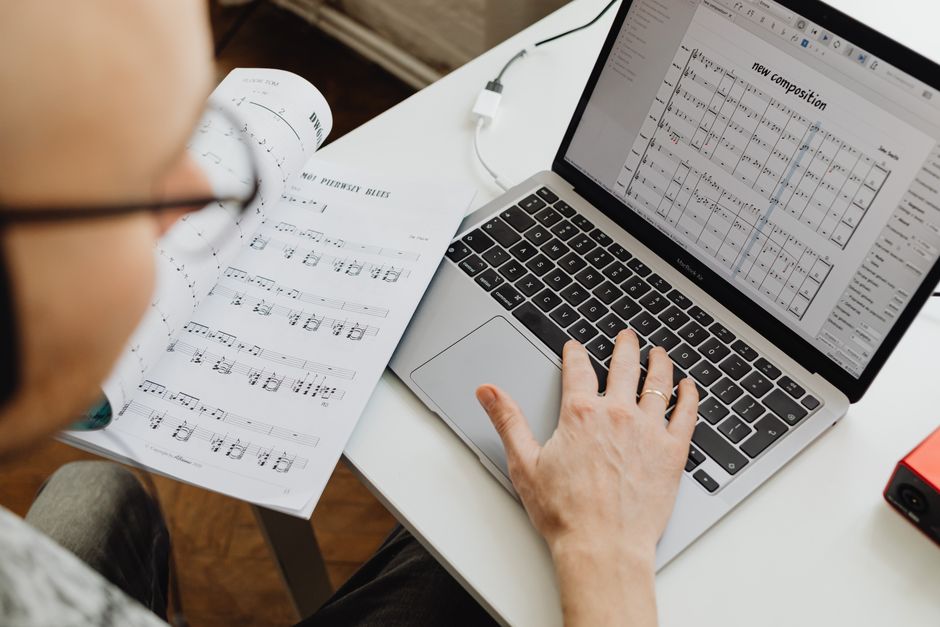
- Song turns text prompts into audio files
- Uses diffusion models to build sound from scratch
- Requires multiple attempts for best results
- Lacks the nuance of human composition
How do you generate music from text?
Song is an AI tool that converts text descriptions into full-length musical compositions. You type a prompt like "upbeat jazz piano for a sunny morning," and the software generates a finished audio file in seconds. It functions by analyzing vast libraries of existing music to recognize patterns in rhythm, melody, and instrumentation. Instead of pulling together pre-recorded clips, the system builds sound from scratch using mathematical models. This means the output is unique to your specific request. You don't need musical training to use it effectively. Simply describe the mood, tempo, and style you want to hear. If you want a specific instrument, just name it in your prompt to guide the AI toward the sound you envision.
Key Features of Modern AI Music Generators
At its core, Song uses a technique called diffusion, similar to how image generators create pictures. It starts with static noise and gradually refines it until it matches the structure of your requested music. The model understands how notes relate to one another over time. It keeps track of the beat and the key to ensure the track sounds coherent rather than random. Because it generates audio based on probability, the results can vary significantly between attempts. You might need to run the prompt a few times to get the exact version you like. Think of it as a collaborator that offers multiple takes.
Is text to audio AI easy to use?
One major trade-off is the lack of human nuance. AI music often struggles with complex emotional shifts or sudden changes in structure that a real composer would naturally include. It might sound technically perfect but feel slightly hollow or repetitive. Also, you cannot easily edit individual tracks or instruments once the file is generated. If you dislike the drum pattern, you typically have to regenerate the entire song. It is a starting point, not a final production tool for professional studios.
How to create AI music without musical training?
Most AI audio platforms have strict terms regarding ownership and commercial use. You should check the specific license agreement provided by the service before using a track in a video or advertisement. Some services require a paid subscription to grant you full ownership of the generated files. Without a subscription, the platform might retain the rights or require attribution. Always verify the terms of service on their official website to avoid potential copyright disputes later.
How do I get the best results?
Specificity is the most important factor when writing a prompt. Don't just ask for "happy music" because the AI will provide a generic interpretation. Instead, describe the genre, the instruments, and the specific vibe. Mentioning a tempo like "120 beats per minute" or a style like "lo-fi hip hop" helps the model narrow down its search space. If the first output sounds off, adjust your prompt to be more precise about what you disliked. Small changes in your wording often lead to large differences in the final output.
What should I expect from the audio quality?
The audio output generally comes in a standard compressed format like MP3 or WAV. While the clarity is usually high, you might occasionally hear strange artifacts or glitches during complex transitions. These errors are a byproduct of how the model predicts sound waves. Professional audio engineers might find the files lack the dynamic range of a studio recording. For most casual creators, the quality is more than enough for social media or background music. Check the platform settings to see if you can export at higher bitrates.
Frequently asked questions
Most AI music platforms offer different licensing tiers; always check the specific terms of service to see if your subscription allows for commercial use.
No, AI music generators are designed for non-musicians, allowing you to create complex, multi-instrumental compositions using simple text prompts.
Most AI music generators produce high-quality, full-length audio tracks in under two minutes, depending on the complexity of your prompt.