How AI Fitness Apps Use Computer Vision to Correct Your Form
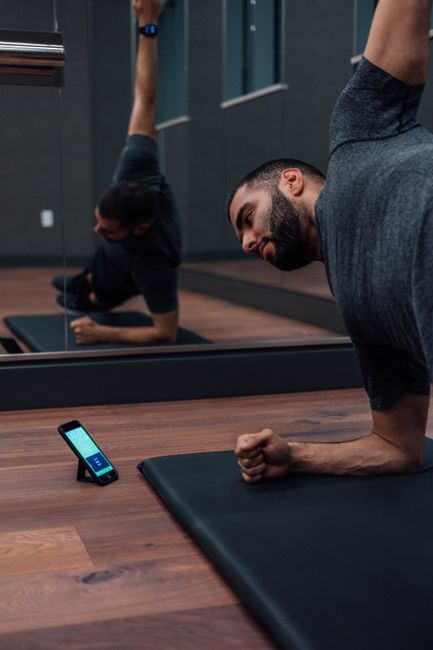
- AI uses your phone camera to map skeletal points and track movement.
- Algorithms adjust workout intensity based on your actual performance data.
- Real-time feedback helps correct form errors during exercises like squats.
- Privacy is a factor; check if apps process video locally or in the cloud.
How does an AI workout coach track movement?
AI fitness tools use computer vision to track your body's movement through your smartphone camera. By mapping specific skeletal points, the software identifies your position in 3D space to count reps and correct your form in real-time. It moves beyond static videos by adapting to your individual progress. Instead of following a generic PDF, you get a plan that updates based on your actual performance data. If you struggle with a squat, the AI detects the dip in your range of motion and suggests a modification. These tools turn your phone into a pocket coach that watches every repetition you perform. It is a practical way to ensure you stay consistent without needing an expensive gym membership.
Can computer vision fitness tools replace a human trainer?
The process begins when you position your phone to capture your full body. The app identifies key joints like your knees, hips, and shoulders to create a digital skeleton. As you move, the AI measures the angles and speed of these joints against ideal movement patterns. If your knee drifts inward during a lunge, the app flags the error instantly. Many platforms, such as Freeletics or Fitbod, offer these features to help improve your technique. You should check the app store for current pricing, as subscription models often range from $10 to $30 per month. Always verify the hardware requirements, as older phones may struggle to process the video feed smoothly.
Is real-time form correction effective for beginners?
AI excels at repetition and tracking metrics, but it lacks human intuition. A human trainer understands why you might be unmotivated or physically exhausted on a specific day. AI sees the data, but it does not see the person behind the screen. If you are an athlete with a complex injury history, an AI tool might miss nuances that a physical therapist would catch. Use AI for consistency and daily tracking, but rely on human professionals for specialized medical advice. There is no shame in using both to achieve your goals.
What are the limitations of AI-powered workout apps?
Most AI fitness tools process video data locally on your device to protect your privacy. However, some apps upload motion data to the cloud for analysis. Always check the settings to see if your video feed is stored or deleted immediately after the session. If an app requires you to upload full video files, assume that data is being used to train their models. Most reputable apps prioritize data encryption, but you should read the privacy policy before granting camera access. If you are uncomfortable with the camera scanning your home, these tools may not be the right choice for you.
Frequently asked questions
Yes, most AI fitness apps use computer vision to map joint positions and compare them against ideal movement patterns, providing high accuracy for standard exercises like squats and lunges.
No, most AI fitness apps only require your smartphone’s camera to track your movements in real-time, making them a convenient option for home-based workouts.
While AI apps provide real-time feedback to improve form and reduce the risk of poor technique, they cannot replace a human trainer's ability to assess physical limitations or provide personalized medical advice.