How to Implement AI Emergency Kill Switches for Business Safety
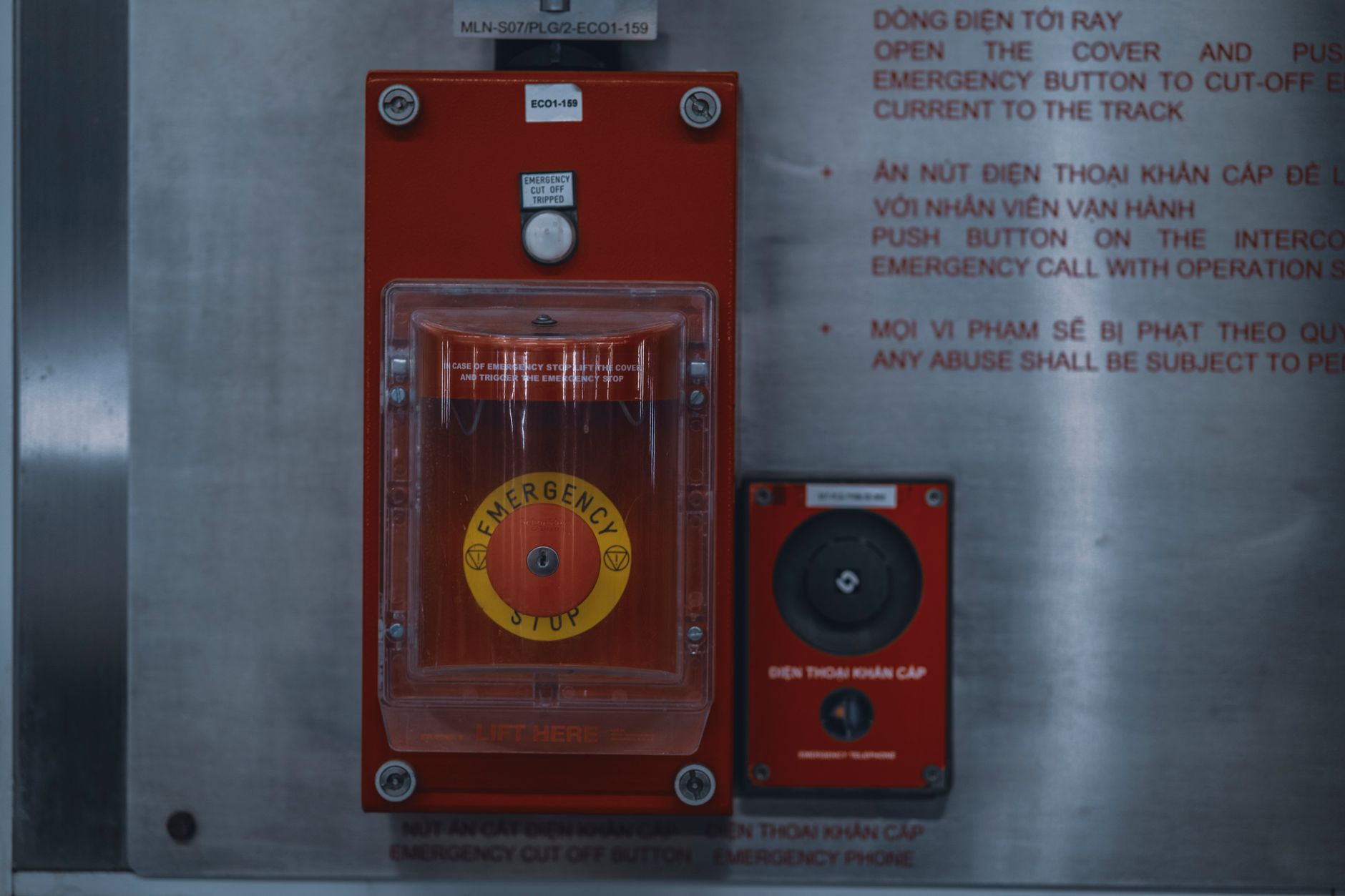
- Microsoft CEO Satya Nadella calls for emergency brakes on all AI models.
- Developers must proactively plan for AI failures rather than assuming perfection.
- Manual intervention is a necessary safety layer for business operations.
- Safety controls function as essential insurance for automated systems.
Why Businesses Need AI Emergency Kill Switches
Satya Nadella argues that every AI model needs an emergency brake to stop runaway processes or errors. This is a practical necessity for any business that relies on automated decision-making. You should implement these controls because AI systems can fail in unexpected ways. According to Microsoft’s CEO, developers must now anticipate these failures rather than assuming systems will function perfectly. Having a manual way to halt a model protects your operations from unpredictable output. It is a form of digital insurance. If your business uses AI, planning for a shutdown is as important as training the model itself.
Improving AI System Reliability With Manual Overrides
We rank these safety controls based on three specific factors. First, we look at the speed of intervention, or how quickly a system stops after a trigger. Second, we evaluate the reliability of the detection mechanism. Finally, we consider the ease of integration into existing workflows. These criteria ensure that you maintain control over your models without disrupting daily operations. You can check current integration costs through your specific vendor documentation.
How to Integrate AI Risk Management Into Business Operations
Manual kill switches provide the most direct method for stopping a model. They suit businesses that need immediate human control over high-stakes outputs. The primary strength is simplicity, as it bypasses complex automation. However, the downside is that a human must be monitoring the system at all times to trigger the stop.
Automated anomaly detectors monitor output for deviations from expected patterns. These work well for high-volume tasks where human oversight is impossible. They are fast and operate without sleep. The downside is the potential for false positives that stop valid work.
Human-in-the-loop review gates require a sign-off before a model executes a decision. This is ideal for sensitive financial or legal tasks. It ensures accountability for every output. The downside is that this process creates a bottleneck that slows down your total processing time.
Sandbox isolation environments keep your AI in a restricted space. This limits the damage if a model begins to output errors. It is excellent for testing new updates. The downside is that it prevents the model from interacting with your wider business data.
| Control Type | Best For | Downside |
|---|---|---|
| Manual Kill Switch | High-stakes decisions | Requires human monitoring |
| Anomaly Detector | High-volume tasks | Potential false positives |
| Review Gate | Legal or financial tasks | Slower processing time |
| Sandbox Isolation | Testing new models | Restricted data access |
- Microsoft's Nadella Wants An Emergency Brake On Every AI Model — Google News, Oct 11, 2026
- Microsoft CEO Satya Nadella urges developers to anticipate AI model failures and implement emergency controls. — Google News, Oct 11, 2026
Add NewsPulse Time as a preferred source on Google
Frequently asked questions
An AI kill switch is a safety mechanism that allows human operators to instantly halt an AI system's processes to prevent unintended behaviors, security breaches, or system errors.
Emergency controls are critical for mitigating risks like model drift, hallucinations, and security vulnerabilities, ensuring that human oversight remains the final authority in automated workflows.
Testing involves simulating failure scenarios in a sandbox environment to ensure the kill switch effectively halts operations without causing catastrophic data loss or permanent system damage.



