Young patients face delayed cancer diagnoses due to age bias
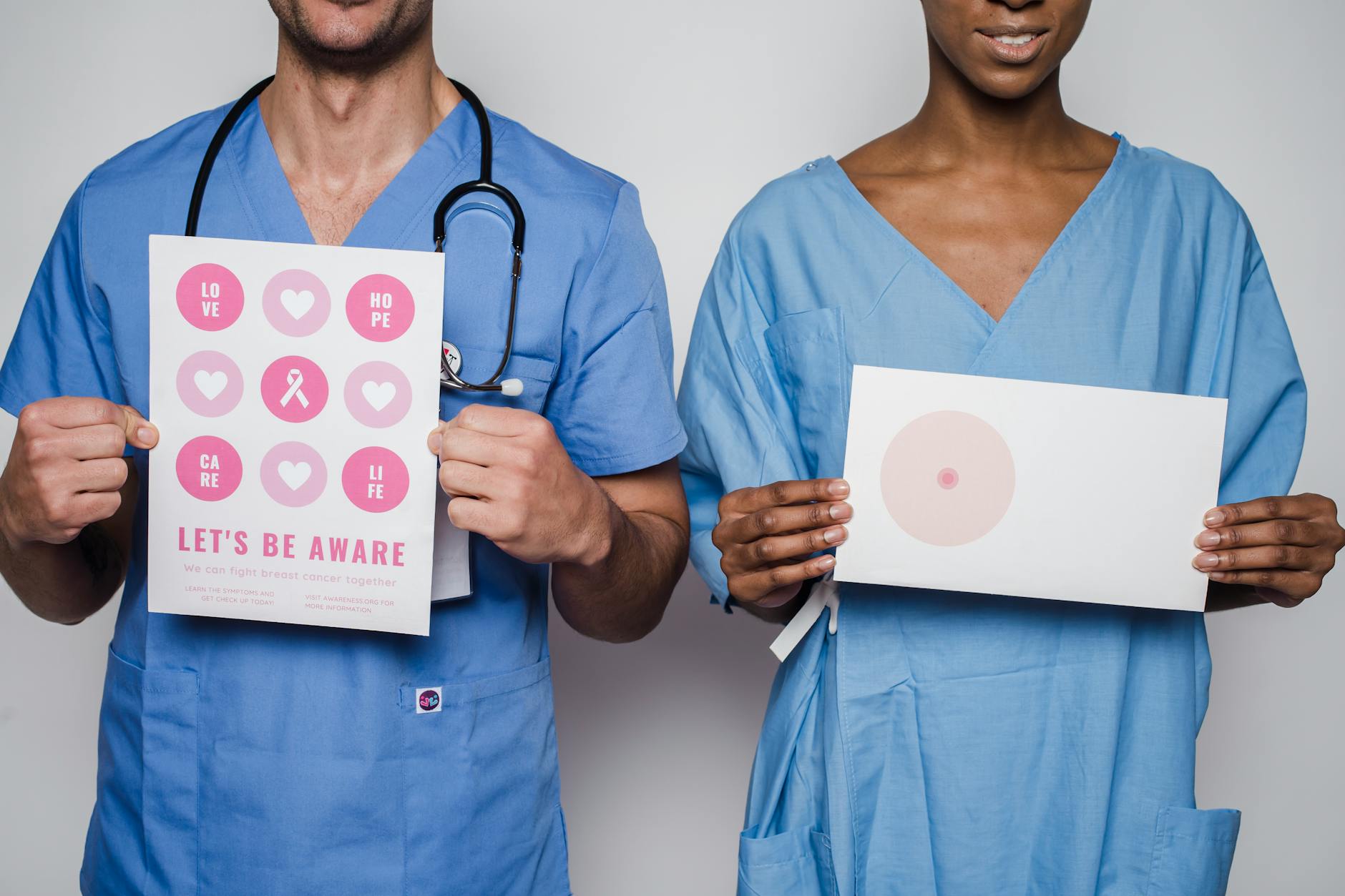
- Young patients report being dismissed by doctors who believe they are too young for cancer.
- Charity CoppaFeel! is calling for UK breast cancer screening to be based on individual risk factors.
- Data shows women under 50 are twice as likely to be diagnosed at a late stage compared to those over 60.
- Nigerian patients face significant challenges due to a lack of radiotherapy machines and high treatment costs.
- Medical experts emphasize that early detection is crucial for improving survival rates across all age groups.
Young patients are facing delayed cancer diagnoses as medical professionals frequently dismiss their symptoms by claiming they are too young for the disease. Similarly, Lauren Spiezia was denied a mammogram for the same reason before receiving a breast cancer diagnosis at age 31.
In Nigeria, 25-year-old Elizabeth was not examined by a doctor and was told she was too young for the condition.
CoppaFeel! advocates for risk-based screening in the UK
CoppaFeel!, the only breast cancer awareness charity in the UK dedicated to young people, is calling for screening to be based on individual risk factors rather than the current age-based system that begins at 50. This proposed model utilizes a seven-minute assessment to evaluate family history, genetic risk, and breast density.
Dopierala-Bull said, "I think we still see breast cancer as just an older white woman's disease". She further noted that the current screening programme starting at 50 "often does make people believe that it can only impact that age group". "We want to make sure that younger people know this is something that should be on their radar," Dopierala-Bull said.
Regional disparities in UK breast cancer survival rates
Birmingham and Solihull is the top late diagnosis hotspot in the UK, where 30% of breast cancer cases in women under 50 are diagnosed at stage three or four.
Survival rates also vary by location and socioeconomic factors.
Infrastructure gaps hinder cancer treatment in Nigeria
Infrastructure gaps for cancer treatment in Nigeria leave many patients without access to essential radiotherapy services. A September 2026 study in the Asian Oncology Research Journal analyzed 350 patient folders and found that while 89.1% of patients received chemotherapy and 80.6% underwent surgery, only 25.4% received necessary radiotherapy due to a lack of machines.
The University of Port Harcourt Teaching Hospital currently refers patients needing radiotherapy to private centers in Uyo, Calabar, and Lagos, or government hospitals in Abuja and Ibadan, as its own facility remains under construction.
Patients often face significant travel and financial burdens to access treatment. Victoria Glory Ugorji, a 34-year-old mother with lung cancer that spread to her bone, was told by the University of Port Harcourt Teaching Hospital that the nearest radiotherapy center was in Lagos or Imo. She traveled 53 miles to the American Cancer Hospital in Ikeduru, Imo State, incurring costs of N20,000 for transport and N600,000 for medical expenses. These medical expenses included N400,000 for treatment, N30,000 for consultation, over N70,000 for tests, and about N24,000 for accommodation.
A 2026 study of cancer patients in Bayelsa and Rivers states found that 59.4% of records were from the University of Port Harcourt Teaching Hospital, 64% were female, and 33.4% were aged 60-69. The most common cancers identified in the study were breast at 36.3%, prostate at 14.9%, and colon at 7.7%.
Medical experts call for human-centred cancer care
Medical experts are advocating for human-centred cancer care to address high treatment costs, late presentation, and misconceptions. Chizindu Alikor, Chief Medical Director at Rivers State University Teaching Hospital, stated during a World Cancer Day seminar on February 4, 2026, that the theme United by Unique highlights the need for care to be both scientific and human-centred. Rex Ijah from the hospital's Department of Surgery co-authored a review of over a thousand cancer cases from 2021 to 2024, which documented these significant challenges.
Rex Ijah said, "Cancer is not a death sentence; we have seen patients who presented early, completed treatment and are living healthy lives many years later.".
The burden of cancer cases remains high in the region. Olusegun Abayomi, a clinical oncologist in Port Harcourt, reported seeing between five and eight patients per week who require radiotherapy, excluding those at other hospitals or in other South-South states.
Adaeze Oreh, the then Commissioner for Health. Adaeze Oreh urged routine medical check-ups, noting, "Early detection saves lives, especially for cancers such as breast, cervical, prostate and colorectal cancer.".
The cost of equipment remains a barrier to expanding these services. Prof. Francis Durosinmi-Etti, Chief Clinical Oncologist at the Nigeria Sovereign Investment Authority, LUTH, stated in 2024 that a single radiotherapy machine costs between $2 million and $4 million.
Personal accounts of medical misdiagnosis and financial strain
Patients frequently encounter obstacles in securing timely cancer diagnoses. Beth Jenkins reported being told her breast lump might be related to postnatal depression or medical anxiety, and she was prescribed antibiotics.
Others face significant delays before receiving an accurate diagnosis. A second referral in January 2024 to the Orthopaedic Hospital in Igbobi, Lagos, eventually confirmed she had cancer.
Financial barriers further complicate the treatment journey for many patients. Caroline Obayuwana, a widow from Lagos, was initially told a lump she found while bathing was harmless fatty tissue. CancerAware Nigeria documented that her chemotherapy cost up to N250,000 per dose, and she lacked health insurance. She relied on small donations from church members and family to afford her treatment.
Victoria Glory Ugorji visited the University of Port Harcourt Teaching Hospital in Rivers State on 2 November 2026 for a check-up and expected to be scheduled for radiotherapy. Lauren Spiezia launched a non-toxic cosmetics brand called LakLak Beauty on the day she ran the New York Marathon.
Pediatric cancer experiences and long-term recovery
Pediatric cancer experiences often involve long-term recovery and significant family challenges. She received treatment at NewYork-Presbyterian Hospital, which included chemotherapy and the use of nephrostomy tubes for two years.
The treatment helped manage the tumor's impact on her kidney and bladder connection. During this period, Emma's family received community support, including help with groceries, house cleaning, and pet care.
Emma, now a volunteer with the American Red Cross, was one year old when her uncle Robby was killed on 11 September 2001. Her parents divorced by the time she was two, a separation she believes was influenced by the grief they experienced following the September 11 attacks.
Her mother and aunt have traveled to Guantanamo Bay to attend legal proceedings connected to the September 11 attacks. Regarding their attendance, they said, "This is the closest I can get to Robby".
Other patients have shared similar childhood experiences. An individual diagnosed with cancer as a child in 2004 also received treatment at NewYork-Presbyterian Hospital. Bryan Farnes' sister was diagnosed with acute myeloid leukemia on 12 September 2025 at Swindon Hospital.
Reflecting on her illness, Emma stated, "I may have had cancer but cancer never had me".
Frequently Asked Questions
- I was told I had anxiety but it turned out to be breast cancer (yahoo.com)
- N2 Million for 6 Shots, Then the Machine Broke: Inside Nigeria's Cancer Bill That Kills Before Cancer Does (modernghana.com)
- Redditch man's shock as blood cancer claims sister in 24 days (bbc.com)
- Woman Runs New York Marathon Topless After Breast Cancer—Then Reveals Why - Newsweek (newsweek.com)
- 25 Years Later: The Uncle I Never Knew | News Article | Greater New York Region (redcross.org)
- Charity calls for breast cancer screening change despite Cornwall's strong early diagnosis record | News - Hits Radio (Cornwall) (hellorayo.co.uk)
Add NewsPulse Time as a preferred source on Google