University of Puerto Rico Opens Research Incubator With $4 Million
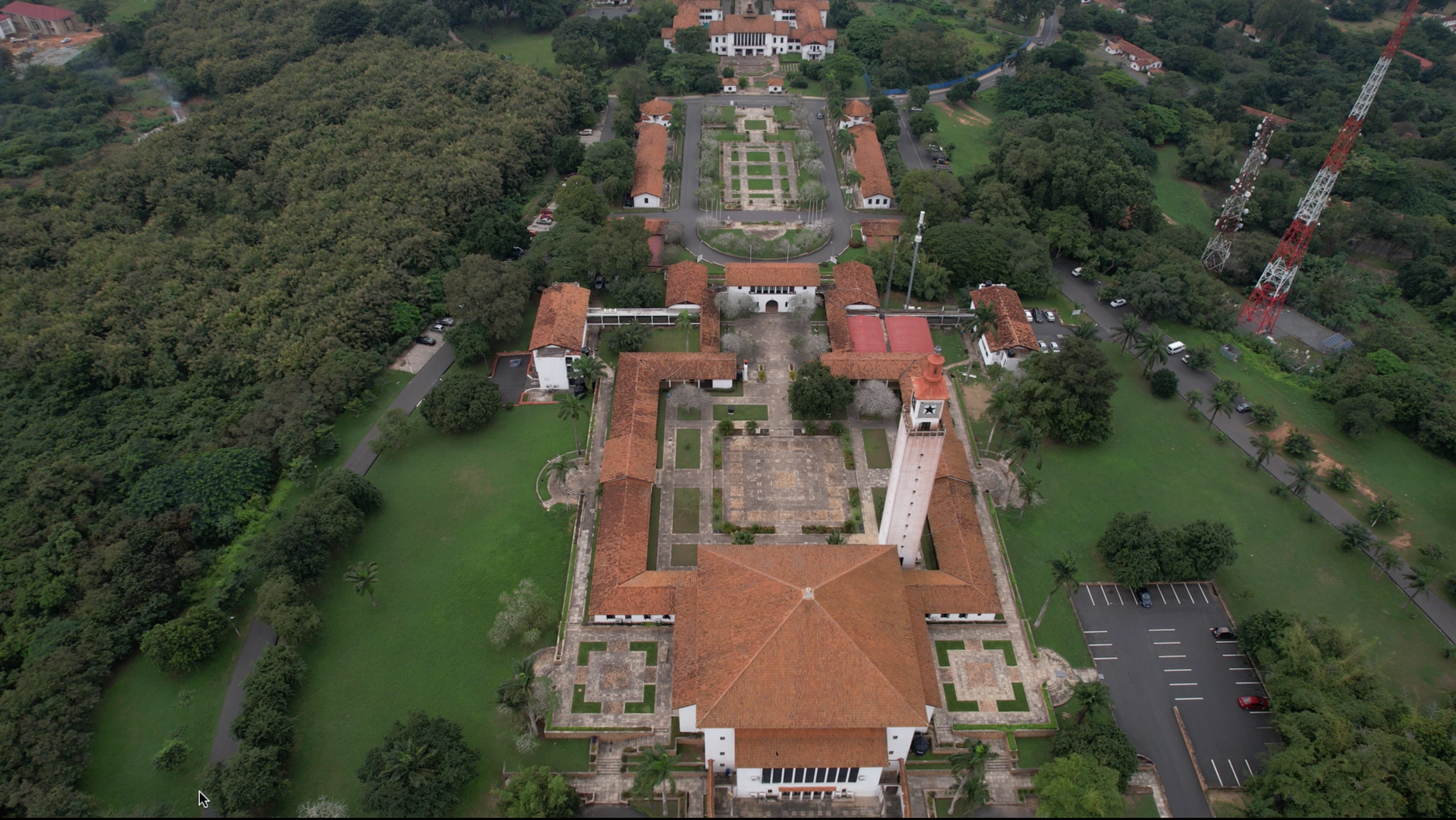
- University of Puerto Rico opens new scientific incubator
- Secured $4 million for research and technology center
- Reported by San Juan Daily Star on October 12, 2026
- Facility aims to support regional research and technology development
- Investment focuses on bridging academic research and market application
The University of Puerto Rico opened a new scientific incubator today, securing $4 million to bolster a specialized research and technology center. The San Juan Daily Star reported the development on Monday, October 12, 2026. This investment provides a platform for academic researchers to transition experimental technology into practical, market-ready applications.
The facility aims to transform how the university handles intellectual property and prototype development. By creating a dedicated space for scientific inquiry, the institution seeks to retain talent and foster local innovation. This move marks a transition toward more aggressive technology commercialization within the university system.
The $4 million funding package will support high-level research activities and the daily operations of the incubator. Administrators expect the center to serve as a hub for both students and faculty engaged in technical fields. The project aligns with broader efforts to improve the technological output of the region.
Strategies for academic technology commercialization
Scientific incubators function as a bridge between university laboratories and the private sector. They provide the infrastructure necessary for researchers to test hypotheses in a controlled, commercially oriented environment. This center will likely prioritize fields that have immediate relevance to the local economy.
Researchers often face difficulties when moving from a successful experiment to a scalable product. Without dedicated incubators, innovations frequently stall at the prototype stage. This $4 million investment addresses that gap by providing the resources needed to refine designs and conduct necessary feasibility studies.
The success of the incubator depends on the university's ability to attract industry partners. By maintaining a space that mirrors professional research environments, the institution makes it easier for private firms to collaborate with academic teams. This collaboration can lead to licensing agreements, joint ventures, and new pathways for funding future research projects. The incubator provides the logistical support required to manage these complex relationships.
Operational goals for the new technology hub
The operational structure of the new facility will likely focus on three core areas: equipment access, mentorship, and commercial guidance. Access to high-end laboratory equipment is often the most significant hurdle for independent researchers within a university setting. This center provides that access, allowing for more rigorous testing and development cycles.
Mentorship programs within the incubator will connect experienced researchers with those just starting their careers. This transfer of knowledge is essential for maintaining a high standard of scientific work. The incubator offers guidance on patent law and business formation, which are vital for anyone looking to bring a product to market.
The $4 million budget suggests a commitment to long-term sustainability rather than short-term gains. By investing in the physical and intellectual infrastructure of the center, the university is building a foundation for years of technological output. The focus remains on generating results that have a tangible impact on the local technological landscape.
Future expectations for university-led innovation
Observers in the technology sector will watch how the University of Puerto Rico manages this new facility to determine the efficacy of the $4 million investment. The success of the incubator will depend on the speed at which research projects move from the lab to the market. If the center produces a consistent stream of viable technologies, it will likely attract further private and public funding.
The integration of this incubator into the university's research pipeline signals a shift toward a more applied academic model. This model prioritizes the utility of research findings as much as the quality of the science itself. As the center becomes operational, the focus will shift toward the specific projects selected for incubation. These projects will provide the first indication of the center's potential impact on the technology sector. The University of Puerto Rico continues to refine its approach to research, aiming to create a more direct link between the classroom and the industry.
Frequently Asked Questions
Add NewsPulse Time as a preferred source on Google