Supreme Court to Hear Delhi Metro and Detention Pleas This Sunday
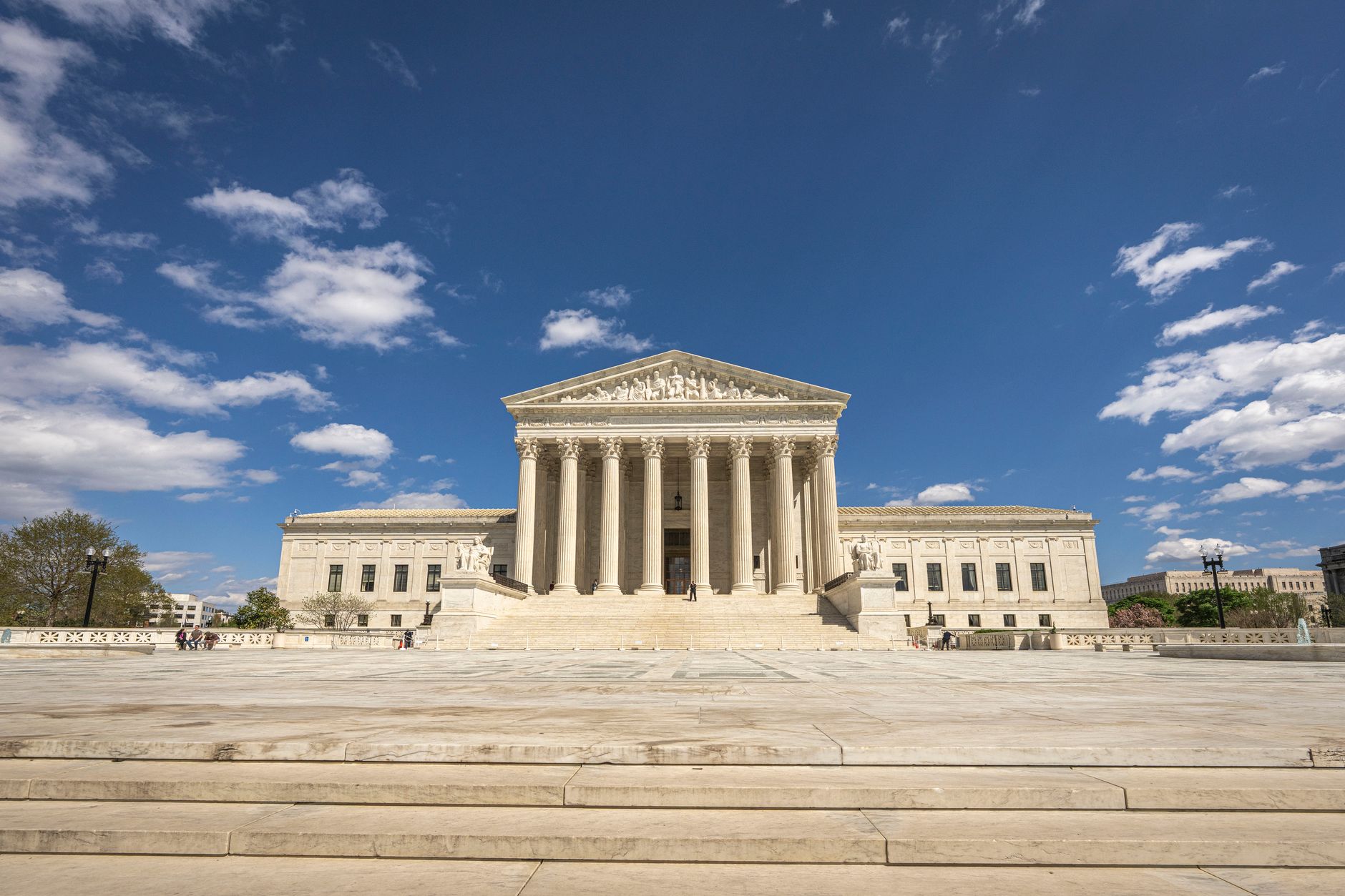
- Supreme Court schedules special Sunday hearing on Delhi protest issues
- Menaka Guruswamy files habeas petition for detained political leaders
- Contempt plea filed regarding the closure of Delhi Metro stations
- Youth groups vow to continue protests demanding Gyanesh Kumar resignation
- Hearing addresses police crackdown and restrictions on public movement
The Supreme Court of India will hold a special hearing today, Sunday, October 11, 2026, to address multiple pleas regarding the closure of Delhi Metro stations and the detention of political leaders during recent protests. According to NDTV, the court decided to intervene following urgent filings concerning the restriction of movement in the national capital.
The New Indian Express reported that the bench will specifically evaluate the legality of the police crackdown on demonstrators and the subsequent shutdown of public transport infrastructure. This rare Sunday sitting reflects the urgency of the situation as legal teams seek immediate relief for those currently in custody.
India Today confirmed that the hearing is set to address the intersection of public order measures and the fundamental rights of citizens to assemble. The court's decision follows a series of petitions that argue the state's response to the ongoing agitation has exceeded the bounds of administrative necessity.
Menaka Guruswamy files habeas petition for political leaders
Senior advocate Menaka Guruswamy has formally filed a habeas corpus petition in the Supreme Court challenging the detention of several political leaders during the Delhi protests, as reported by Live Law. A habeas corpus petition is a legal instrument used to bring a prisoner before the court to determine if their detention is lawful.
The petition highlights the alleged arbitrary nature of the arrests made by law enforcement during the recent demonstrations. India Legal reported that the legal team argues these detentions violate constitutional protections afforded to political representatives and citizens alike.
In addition to the habeas petition, a separate contempt plea has been lodged regarding the widespread closure of Delhi Metro stations. Live Law noted that petitioners claim the closure of these transit hubs effectively prevents citizens from exercising their right to protest and disrupts the daily lives of thousands of commuters across the city. The Business Standard stated that these legal challenges aim to force the administration to justify the blanket restrictions imposed on the city's transit network.
Youth groups maintain pressure for Gyanesh Kumar resignation
The protests that triggered the current legal standoff show no signs of immediate resolution. The Hindu reported that various youth groups have vowed to continue their demonstrations until Gyanesh Kumar resigns from his position.
These groups have stated they intend to return to the protest sites today, despite the heavy police presence and the restrictions on the Delhi Metro. The ongoing agitation centers on specific demands for accountability within the administration, which the protesters claim has not been met.
News18 reported that the police crackdown on these groups has been a focal point of the legal arguments presented to the Supreme Court. The protesters maintain that their assembly is peaceful and that the state's response, including the detention of their leadership, is an attempt to suppress legitimate dissent. The court's hearing today will assess whether the police actions align with established legal standards for managing public protests in a democratic framework.
Public transport and security measures in Delhi
The closure of several Delhi Metro stations has significantly impacted the city's ability to function normally, affecting commuters who rely on the network for daily travel. The Indian Awaaz reported that the Supreme Court's special hearing will examine whether these closures constitute an overreach by the authorities.
The transit restrictions have been a primary tool for the Delhi police to control the movement of protesters, but this strategy has drawn criticism for its impact on the general public. As the court prepares to hear the arguments, the city remains in a state of high alert.
The legal proceedings are expected to clarify the extent to which the state can restrict public infrastructure to manage political unrest. The outcome of today's hearing will likely set a precedent for how the judiciary balances security concerns with the rights of citizens to move freely and express their grievances in the national capital.
Add NewsPulse Time as a preferred source on Google