SC directs WhatsApp, RBI to curb digital arrest scams by Nov 23
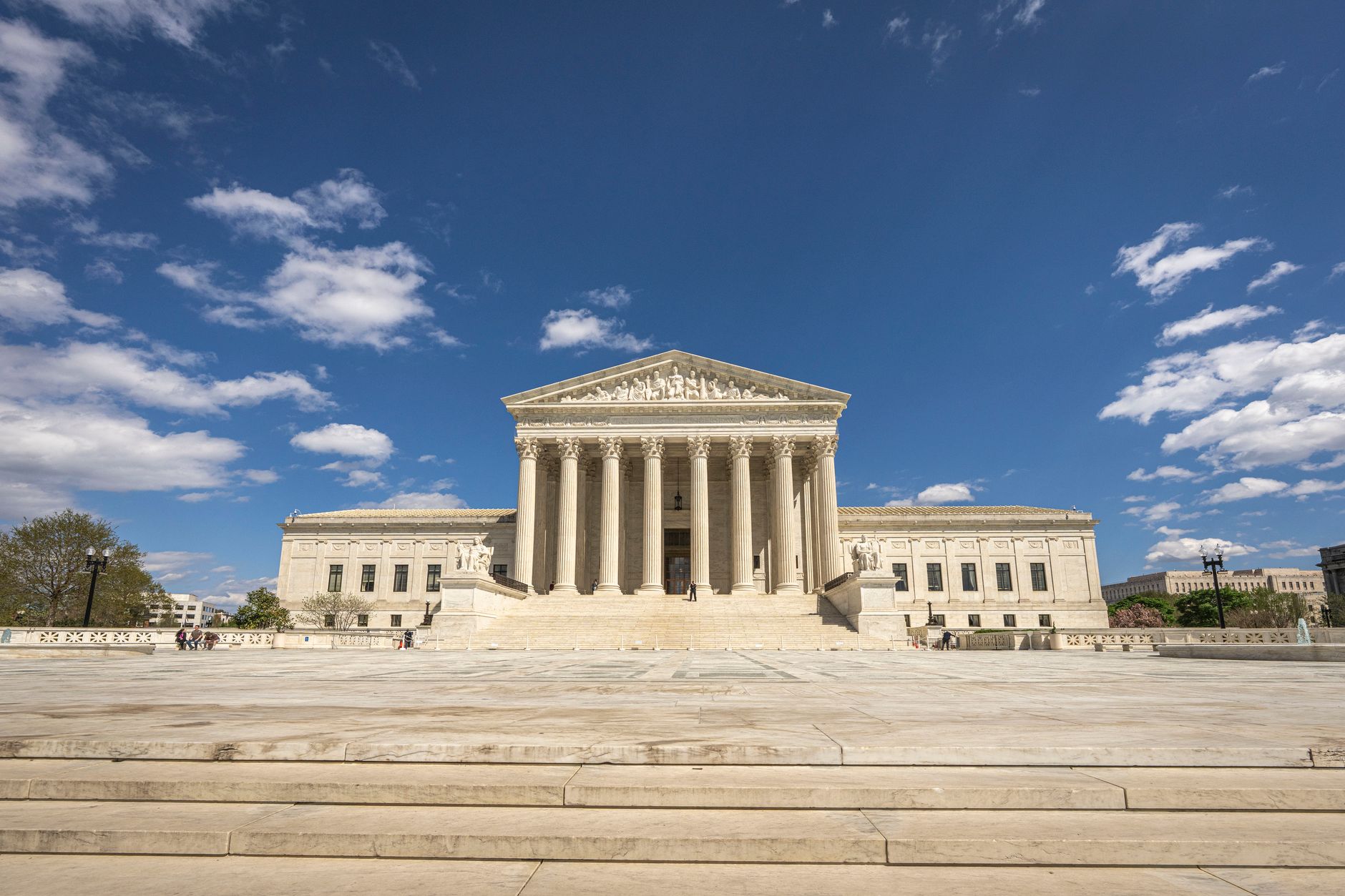
- The Supreme Court ordered WhatsApp to submit measures to prevent digital arrest scams.
- WhatsApp has already banned 9,400 accounts associated with impersonation fraud.
- Financial institutions must compensate victims if fraud results from a lack of due diligence.
- The RBI must provide a list of authorized financial institutions by November 23.
- Despite a 50 percent drop in cybercrime, victims have lost Rs 800 crore in 2026.
These entities must report their proposed measures to both the court and the Indian Cyber Crime Coordination Centre (I4C).
The order aims to address the rising threat of digital arrests where individuals are coerced through the impersonation of law enforcement agencies.
WhatsApp bans 9,400 accounts linked to fraud
The company is currently developing new software to identify suspicious accounts and provide warnings to users.
The court has further required WhatsApp to file an affidavit detailing the specific preventive steps it has undertaken to curb this fraud.
Financial institutions mandated to compensate victims
The Supreme Court ruled that financial institutions must indemnify victims of digital arrest scams if investigations determine that the fraud occurred due to the bank's failure to exercise due diligence. The court mandated that the Reserve Bank of India (RBI) must include provisions for such victim compensation in its regulatory measures.
These RBI directives are to be notified by November 30 and must be operationalized by December 31, 2026. The Supreme Court mandated that financial institutions must compensate victims of cyber fraud if the loss resulted from the bank's failure to exercise due diligence.
RBI to implement transaction safeguards
In August 2026, the bench directed the Reserve Bank of India to create a Standard Operating Procedure for banks regarding temporary debit holds on accounts linked to financial fraud.
The court suggested that financial institutions implement preventive safeguards to protect customers. These measures include suspending unusual transactions, notifying the nearest police station, and physically verifying the genuineness of suspicious transactions.
States and Union Territories to report on scam FIRs
Law enforcement agencies in all states and Union territories must submit the status of FIRs registered in digital arrest scam cases.
Reports detailing FIRs and ongoing investigations must be submitted to the court and an inter-departmental committee. The Directors General of Police for all states and Union territories have been ordered to ensure compliance with these directives.
Court to review RBI KYC Amendment Directions
Chief Justice of India Surya Kant said the court will examine the proposed RBI Know Your Customer Amendment Directions 2026. The court intends to review these measures before allowing the regulatory process to proceed.
Attorney General R Venkataramani reported that substantial work has been done to improve the detection of suspicious transactions. He told the bench that work continues to strengthen preventive mechanisms within the banking system.
Rs 800 crore lost to cybercrime in 2026
NDTV and Rediff reported that while cybercrimes have decreased by 50 percent, victims have still lost Rs 800 crore so far in 2026.
Next hearing scheduled for November 23
The next hearing for this matter is scheduled for November 23, 2026.
The court directed the Reserve Bank of India to submit a list of all authorized financial institutions before the hearing on November 23. The court also proposed that the new directions be notified by November 30 and become operational by December 31.
Legal team involved in the suo motu case
The legal team involved in the case includes Amicus Curiae Ms. N.S. Nappinai, AOR Ms. Sthavi Asthana, and advocates Mr. K.V.D. Kishore Kumar and Mr. Shubham Chandra. Shubham Chandra are also part of the legal team supporting the proceedings.
Frequently Asked Questions
Add NewsPulse Time as a preferred source on Google