Royal Sequel Opens at Highgrove: Harry Meets King Charles
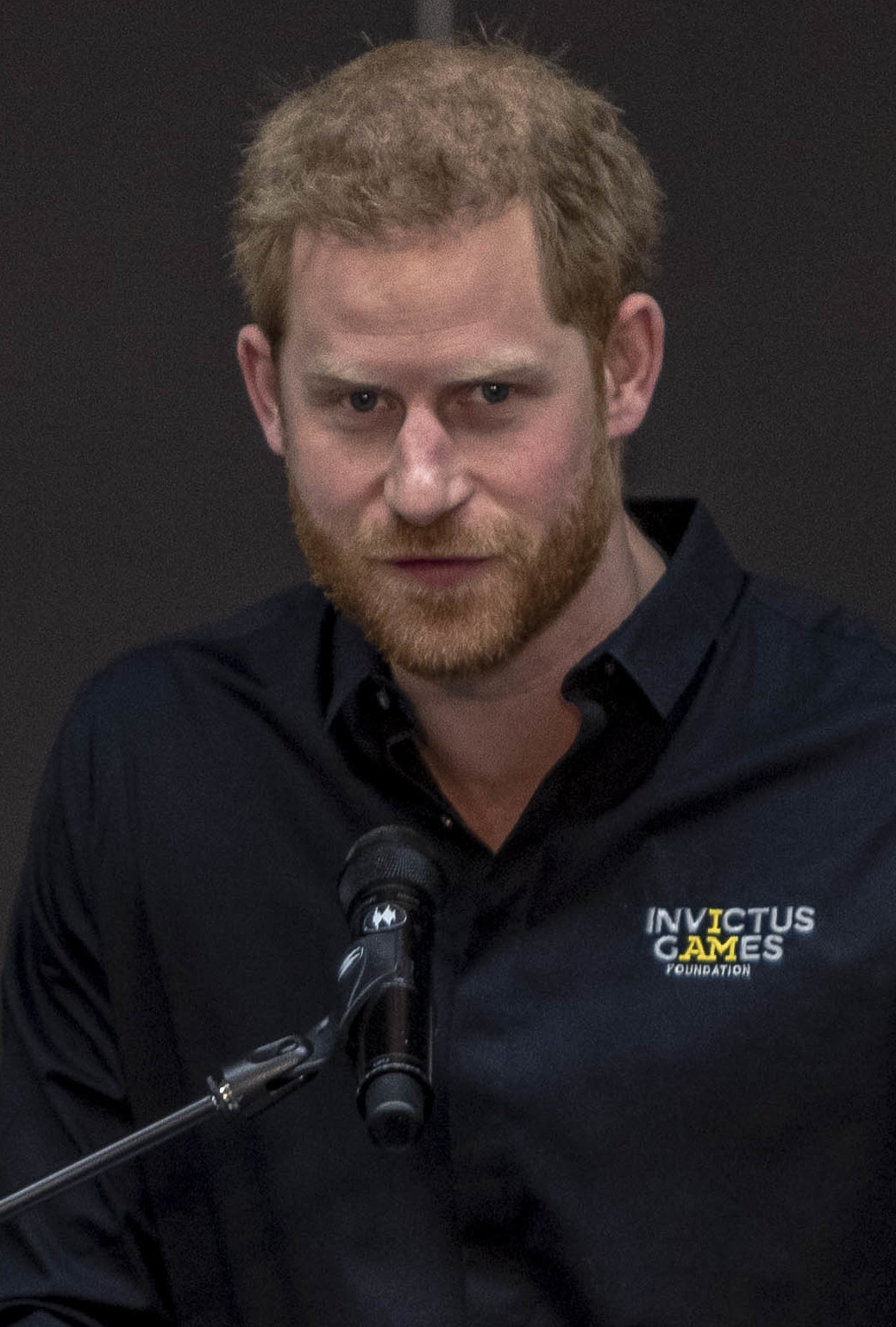
- Prince Harry, 41, and Meghan Markle, 44, visited Highgrove on Friday
- King Charles met grandchildren Archie, 7, and Lilibet, 5, for first time in 4 years
- Queen Camilla attended as a witness during the private family occasion
- Sources confirm Charles only met the couple because the children were involved
- Harry shared a health update on the King following the 17 July 2026 meeting
The biggest royal franchise of the decade saw a surprise sequel release this weekend as Prince Harry and Meghan Markle returned to the UK box office—metaphorically speaking—with a high-profile reunion at Highgrove House. On Friday, 17 July 2026, the Duke and Duchess of Sussex touched down in Britain with their children, Prince Archie, seven, and Princess Lilibet, five, marking their first visit to the UK in four years. Trade analysts are already calling it a significant development in the ongoing saga of the House of Windsor, a brand that has seen turbulent times since the Sussexes exited their senior roles in 2020.
The meeting at King Charles III's private residence in Gloucestershire brought the estranged father and son together for the first time in a long while, accompanied by Queen Camilla. While the details of the script remain under wraps, sources confirmed that the primary agenda was a private family occasion, allowing the monarch to reconnect with his grandchildren. The timing is critical. The Royal Family, akin to a legacy production house, has been managing a PR crisis involving health scares and internal rifts, making this reunion a pivotal plot point in their public narrative.
The choice of Highgrove is itself a telling production decision. Unlike the formal, state-managed sets of Buckingham Palace or Windsor Castle, Highgrove represents the King's personal sanctuary—a place where he is less 'Monarch' and more 'Father.' This setting was deliberately selected to lower the temperature of negotiations that have, for years, been frozen at absolute zero. By moving the meeting to the Cotswolds, the Palace signaled a desire for intimacy over protocol, a strategic move to disarm the heightened security tensions that have previously hampered such visits.
Industry insiders suggest the visit was not a spontaneous shoot but a carefully negotiated production, designed to bridge the chasm that has divided the firm. The logistics alone required a rewrite of standard operating procedures. Security arrangements, a persistent point of legal contention between the Duke and the Home Office, were reportedly brokered through a confidential third-party agreement, allowing Harry to stay on a private estate rather than in a protected royal residence. This compromise allowed the 'principal actors' to share a space without the immediate glare of the paparazzi flashbulbs that have historically triggered the family's deepest traumas.
For a public that has watched this drama unfold across continents and streaming platforms, the images of unity—however fleeting—carry immense weight. The reunion signifies a potential softening of stances, a box office thaw after a deep freeze in relations that has kept the tabloids busy and the commentators guessing. As the dust settles on the Highgrove premiere, all eyes are now on the post-release figures: will this lead to a permanent reconciliation, or was it merely a one-off special for the sake of the next generation?
Star Power of the Next Generation: Archie and Lilibet Steal the Show
If this were a Bollywood blockbuster, the undeniable scene-stealers would be the youngest members of the cast. Prince Archie and Princess Lilibet were the central figures who ensured this high-stakes meeting got the green light from the top producers at Buckingham Palace. According to trade sources close to the production, King Charles III made it clear that his willingness to engage with his son, Prince Harry, was contingent on the presence of his grandchildren. It is a classic narrative device: the innocent bridge builders spanning a chasm of adult grievances.
The seven-year-old Archie and five-year-old Lilibet have spent much of their lives in the United States, far removed from the glare of the British paparazzi and the rigid protocols of the palace. Their visit on Friday was only the second time Lilibet had ever met her paternal grandparents, a staggering statistic that highlights the depth of the rift within the family. For the Royal Family, which relies heavily on the image of continuity and heritage, the lack of a relationship with the King's only grandchildren was a narrative hole that needed plugging. Sources confirmed that the bond between the monarch and the young royals was the primary focus of the Highgrove gathering.
The trade logic here is impeccable: you cannot build a future franchise without the next generation of stars. By bringing Archie and Lilibet into the fold, the Royal Family is attempting to secure its legacy and repair the brand image that has suffered from the relentless barrage of tell-all interviews, documentaries, and leaked narratives that have characterized the 'Megxit' era. The presence of the children provides a humanizing counter-narrative to the institutional coldness often projected by the Crown.
Psychologists specializing in family estrangement suggest that the introduction of children into high-conflict separations often acts as a catalyst for de-escalation, albeit a fragile one. For King Charles, who has often spoken publicly about the importance of family, the opportunity to form memories with Archie and Lilibet likely superseded the political risks of meeting with his son. The children serve as neutral ground, a 'Switzerland' in a battlefield of legal threats and memoir excerpts. However, experts warn that using children as the primary conduit for peace places a heavy burden on them, potentially casting them as pawns in a game they did not choose to play. Nonetheless, for the duration of this weekend's shoot, the focus remained squarely on the cousins playing in the Highgrove gardens, a scene carefully curated to project warmth and continuity.
The Backstage Negotiations: How the Deal Was Brokered
While the public sees the final cut—a polished image of familial unity—the behind-the-scenes negotiations for this Highgrove sequel were reportedly grueling. Industry analysts note that bringing the Sussexes back to the UK required more than just an invitation; it demanded a complex contractual framework addressing security, privacy, and the delicate matter of 'commercial' versus 'private' status.
Central to these talks was the issue of security. Since stepping back as working royals, Prince Harry has been embroiled in a long-running legal battle with the UK government regarding the level of taxpayer-funded protection he receives when on British soil. For this visit to proceed, a temporary workaround had to be established. Sources indicate that the King, while unable to directly override the RAVEC (Executive Committee for the Protection of Royalty and Public Figures) decisions due to constitutional conventions, facilitated a private security arrangement funded by the Duchy of Cornwall estate, effectively bypassing the political gridlock. This financial maneuvering demonstrates the extent to which the monarch was willing to go to ensure his son's safety and, by extension, his grandchildren's presence.
Furthermore, the 'no-photography' rule was a non-negotiable clause in the Sussexes' contract. The trauma associated with the paparazzi chase that claimed the life of Harry's mother, Princess Diana, remains a foundational block in the Duke's psychological makeup. To guarantee the family's cooperation, the Palace had to ensure that the media circus was kept at a significant distance from the Highgrove perimeter. This involved coordination with local police and a strict lockdown on the airspace above the estate to prevent drone photography.
The role of intermediaries cannot be overstated. Reports suggest that a trusted figure within the royal household, possibly someone with a foot in both camps, acted as the 'script doctor,' shuttling messages between California and London. This backchannel communication was essential in drafting the agenda for the meeting, ensuring that neither side felt ambushed. The agenda was reportedly kept light—avoiding discussions of memoirs, Netflix deals, or royal titles—to focus entirely on the present moment. This strategic avoidance of 'trigger topics' was key to getting the project greenlit, proving that sometimes, in high-stakes diplomacy, what you don't say is as important as what you do.
Box Office Reaction: Public Sentiment and the Media Divide
The release of this 'Highgrove Sequel' has elicited a polarized reaction from the critics, mirroring the deep cultural divide that has characterized the Sussex saga. In the UK, the response has been a mix of cynicism and relief. The tabloid press, which has profited immensely from the conflict, has largely framed the reunion as a 'peace offering' from the King, painting Charles as the magnanimous patriarch extending an olive branch. Editorials in conservative broadsheets have cautiously welcomed the meeting, emphasizing the importance of the King seeing his grandchildren, though they remain skeptical about Prince Harry's long-term intentions.
Across the Atlantic, the reception is markedly different. US media outlets, generally more sympathetic to the Sussexes' narrative of mental health and independence, are viewing the reunion as a vindication of sorts—a sign that the 'Firm' is finally willing to listen. American commentators are focusing on the emotional aspect of the reunion, highlighting the significance of Archie and Lilibet connecting with their heritage. This transatlantic divergence in coverage highlights the ongoing challenge for the Royal Family: managing a brand that must appeal to domestic traditionalists while maintaining relevance on the global stage, particularly in the United States, a key market for the 'Royal' soft power.
Social media reaction has been equally volatile. Hashtags related to the reunion trended globally within hours of the news breaking. Supporters of the monarchy have used the event to rally around the King, praising his stability amidst family turmoil. Conversely, supporters of the Duke and Duchess have flooded platforms with reminders of the allegations made in *Spare* and the Netflix documentary, arguing that a single photo op does not erase years of alleged institutional neglect and racism.
From a public relations perspective, however, the 'box office' numbers are trending positive. The immediate noise has shifted from scandals of the past to the hopeful imagery of the present. By controlling the visual narrative—releasing only a carefully posed, generic photograph of the group (if any)—the Palace managed to avoid the uncontrolled leaks that have plagued previous interactions. This media management suggests a new, more disciplined approach to royal communications, one that prioritizes the institution's survival over the satisfaction of the gossip rags.
The Future Franchise: What Comes Next?
With the premiere of the Highgrove reunion complete, the industry is now turning its attention to the future slate. Is this a one-off television special, or the beginning of a new season? Royal experts are divided on the long-term implications of this visit. The optimists suggest that this could mark the beginning of a 'thaw,' leading to more regular visits and perhaps even a softening of the 'non-working royal' status. There is speculation that the King may invite the family to Balmoral in the summer, a more relaxed setting where deeper healing could occur.
However, the skeptics—and they are numerous—warn against reading too much into a single weekend. The fundamental structural issues that caused the rift in the first place remain largely unresolved. The Sussexes' commercial ventures in the US, including their production deals and podcasting aspirations, are fundamentally at odds with the apolitical, non-commercial nature of the British Monarchy. Furthermore, the trust deficit between the brothers, Prince William and Prince Harry, remains a significant barrier to any full-scale reconciliation. The Prince of Wales was notably absent from the Highgrove gathering, a scheduling choice that speaks volumes about the ongoing tension within the heir's camp.
Looking ahead, the 'succession plan' for the Royal Family will likely continue to prioritize the core team of King Charles, Queen Camilla, the Prince and Princess of Wales, and their children. The Sussexes, for the foreseeable future, are likely to remain in a 'spin-off' series—connected to the main franchise but operating independently with their own production values and narrative goals. The Highgrove meeting may serve as a crucial 'crossover episode,' allowing for occasional interaction without requiring a full merger of the brands.
Ultimately, the success of this sequel will be measured not in headlines, but in the quiet continuity of private communication. If the lines of dialogue remain open between California and London, then the Highgrove reunion will be remembered as the turning point. If, however, this weekend proves to be a fleeting moment of nostalgia before a return to the status quo, it will merely be another chapter in a long and tragic history of a family torn between duty and personal freedom. For now, the cameras have stopped rolling, and the family has retreated behind their garden walls, leaving the rest of the world to decode the meaning of a few stolen moments in the Gloucestershire countryside.