Man Utd Lands Thompson as Liverpool Chases Kalulu, Arsenal Eyes Williams
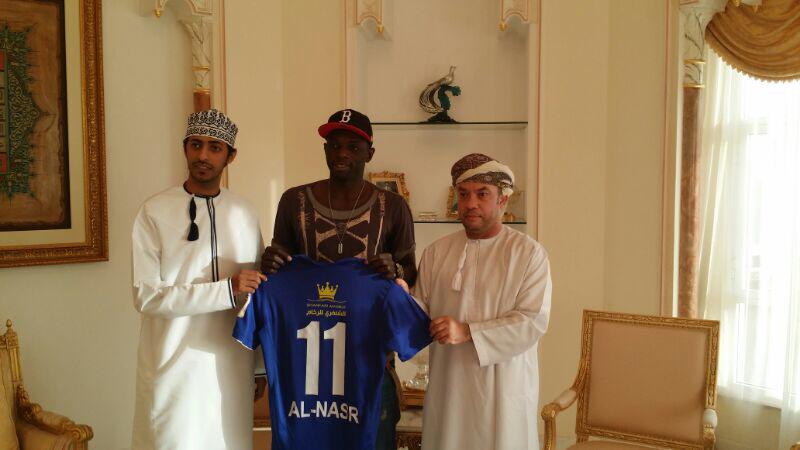
- Manchester United signs Tynan Thompson from Tottenham Hotspur for up to £8 million.
- Liverpool targets Chelsea's Pierre Kalulu for £33 million amidst defensive needs.
- Arsenal revives interest in Athletic Club winger Nico Williams, valued at £77 million.
- João Gomes completes a £38 million move to Aston Villa from Wolves.
- Morgan Rogers is set for a medical at Chelsea, joining from Aston Villa.
The summer transfer window is ablaze across the Premier League this week, with England's elite clubs making audacious moves to fortify their squads for the arduous season ahead. Manchester United has swiftly secured young winger Tynan Thompson from Tottenham Hotspur for an initial £4 million, potentially rising to £8 million with performance-related add-ons. This acquisition signals United's intent to blend immediate impact with long-term potential. Simultaneously, Liverpool is making aggressive strides in their pursuit of Chelsea defender Pierre Kalulu in a deal reportedly worth £33 million, a strategic move that could not only significantly bolster their backline but also tactically weaken a direct rival. Not to be outdone, Arsenal has reignited its pursuit of Athletic Club sensation Nico Williams, who carries a substantial £77 million release clause, reflecting his immense talent and market value. This flurry of high-stakes activity, coming just days after the conclusion of the World Cup, underscores a fierce battle for talent and a clear intent from England's top clubs to stamp their authority on the coming campaign. The financial muscle on display, according to official data, reflects the Premier League's unparalleled global appeal, driven by lucrative broadcasting rights, massive commercial deals, and an insatiable demand for top-tier talent worldwide. This spectacle is closely watched by football enthusiasts from Vancouver to St. John's, highlighting the league's truly international footprint. The timing of these early, significant deals suggests that many negotiations were well underway prior to the World Cup, with clubs now racing to finalize key targets to integrate them into pre-season preparations. This proactive approach aims to avoid the frantic, often inflated, last-minute deals typical of the transfer deadline day. The strategic implications of these early moves are profound, allowing managers more time to embed new players into their tactical systems, fostering cohesion and understanding before the competitive fixtures commence.
Manchester United Fortifies Attack with Thompson, Grapples with Martínez Injury
Manchester United has wasted no time in strengthening their attacking options, officially announcing the signing of highly-touted winger Tynan Thompson from Tottenham Hotspur. The 18-year-old, who has already earned seven caps for England's Under-18 squad, arrives at Old Trafford with a burgeoning reputation, having netted 13 goals and provided six assists for Spurs at youth level last season. His impressive run included seven goals in just seven UEFA Youth League appearances, showcasing his flair, directness, and clinical finishing ability on the European stage. Thompson's playing style, characterized by explosive pace, dribbling prowess, and an eye for goal, aligns perfectly with Erik ten Hag's philosophy of dynamic, attacking football. He is expected to offer genuine competition and depth on both flanks, potentially challenging established wide players while representing a significant investment in United's future. This move highlights United's evolving strategy of blending experienced campaigners with promising young talent, a common yet challenging approach in the ultra-competitive Premier League, aiming to build a sustainable dynasty rather than relying solely on established stars. However, the club faces a fresh and significant defensive concern following Lisandro Martínez's injury during Argentina's 1-0 World Cup final loss to Spain on Sunday. Martínez was forced off in the 41st minute with a suspected hamstring strain, and the severity of his injury remains undetermined. A long-term absence for the Argentine centre-back would be a major blow, disrupting his crucial partnership with Raphaël Varane and potentially forcing United back into the market for defensive cover. His combative style, leadership, and ability to play out from the back are central to Ten Hag's tactical blueprint. Sources close to the club confirm that United is also actively searching for a third central midfielder capable of covering significant ground and offering defensive solidity, with Brighton's 22-year-old Carlos Baleba emerging as a potential target. Baleba's energy, ball-winning ability, and progressive passing make him an attractive prospect. Brighton, known for its shrewd transfer dealings and tough negotiation stance, would likely demand a substantial fee for Baleba, making negotiations potentially protracted and complex. The club also has defenders Hall and Robinson on their radar, indicating a broader strategy to reinforce various positions across the backline, anticipating potential departures or long-term injury concerns.
Liverpool Eyes Kalulu to Shore Up Defence, Arsenal Renews Williams Interest
Across the M62, Liverpool is reportedly making significant strides in their pursuit of Chelsea defender Pierre Kalulu, a move that could be a significant coup for Jürgen Klopp's side. The Reds have seen their defensive ranks depleted with the recent departures of Andy Robertson and Ibrahima Konate, creating an urgent need for versatile and robust reinforcements. Kalulu, a 24-year-old French international, is a highly versatile and athletic defender, seen as a prime candidate to fill these gaps, offering both central defensive and full-back capabilities. His ability to play across the backline makes him an ideal fit for Klopp's high-pressing, tactically flexible system, where players are often required to cover multiple roles. The potential £33 million deal for Kalulu could be a strategic masterstroke, not only shoring up Liverpool's backline with a proven Premier League talent but also denying a valuable asset to a direct rival. One industry analyst, speaking on background, observed, 'Liverpool's interest in Kalulu isn't just about their immediate needs; it's also about taking a key piece off the board, especially from a competitor like Chelsea, weakening them while strengthening themselves.' This kind of tactical transfer play is increasingly common in the cutthroat Premier League, where every advantage is sought. Meanwhile, North London rivals Arsenal have revived their interest in Athletic Club's electric winger, Nico Williams. The 21-year-old Spanish international, known for his blistering pace, dazzling dribbling skills, and growing end product, has a release clause of £77 million, a figure that reflects his immense potential and market value in today's inflated market. Mikel Arteta's side, keen to add more firepower, directness, and creativity to their attacking third, sees Williams as a vital component in their quest for top honours, providing an alternative to Bukayo Saka and Gabriel Martinelli or allowing for tactical flexibility. The Gunners are also reportedly monitoring Julian Alvarez, the 26-year-old forward from Atletico Madrid. Alvarez has openly expressed a desire to leave Atletico, with his preference reportedly being Barcelona, driven by a desire for a new challenge and potentially a more prominent role. However, Atletico Madrid officials have firmly stated that he is not for sale, despite his colossal £426 million release clause, highlighting the club's determination to retain key players. Arsenal's continued interest underscores their ambition to compete at the highest level, making bold moves in the transfer market to challenge the established order and build a squad capable of sustained title challenges.
Mid-Table Clubs Make Strategic Swaps: Gomes to Villa, Rogers to Chelsea
While the traditional 'big six' dominate headlines, other Premier League clubs are making equally crucial moves to strengthen their squads and consolidate their positions, reflecting the growing financial power across the league. Aston Villa has successfully completed the signing of midfielder João Gomes from Wolverhampton Wanderers in a significant £38 million deal. Gomes, a combative, energetic, and technically proficient presence in the centre of the park, will add steel, dynamism, and an improved passing range to Villa's midfield, a critical area for any team aiming for European qualification. His arrival signals Villa's intent to build on recent successes under Unai Emery, who has meticulously crafted a squad capable of challenging for a consistent spot among the league's top contenders. This substantial investment reflects the increasingly competitive nature of the Premier League, where even clubs outside the traditional elite are prepared to spend big to improve and climb the table. Conversely, Aston Villa is set to lose promising attacker Morgan Rogers, who is expected to undergo a medical at Chelsea today before finalising his move to Stamford Bridge. Rogers' departure highlights the constant churn of talent in modern football, with players often moving to clubs perceived as having greater resources, higher aspirations, or a clearer pathway to top-tier European football. This type of player movement, often involving significant profits for the selling club, is a hallmark of the summer window, as clubs recalibrate their squads for the arduous campaign ahead. For Chelsea, securing Rogers would be another addition to their youth-focused recruitment strategy, bringing in a player with significant upside and potential to develop into a future first-team regular, aligning with their long-term vision under new ownership. These transfers, while perhaps not as headline-grabbing as those involving Manchester United or Liverpool, are equally vital in shaping the league's landscape. They represent the strategic chess game played by club executives and managers, each move carefully calculated to gain an advantage in a league where the margins between success and failure are incredibly fine.
Tactical Implications and Managerial Philosophies
The transfers unfolding across the Premier League are not merely about acquiring talent; they are deeply intertwined with the tactical philosophies and long-term visions of the managers. Erik ten Hag's pursuit of Tynan Thompson at Manchester United, for instance, underscores his commitment to a high-energy, fluid attacking system that demands pace and directness from wide areas. Thompson's youth and potential also align with Ten Hag's strategy of developing a core of young, hungry players who can grow together at Old Trafford, rather than solely relying on established, expensive stars. This approach aims to build a sustainable squad capable of challenging for honours for years to come. At Liverpool, Jürgen Klopp's reported interest in Pierre Kalulu speaks volumes about his desire for defensive versatility and tactical flexibility. Kalulu's ability to operate as a central defender and a full-back is crucial for Klopp's high-line, intense pressing system, which often requires defenders to cover vast spaces and adapt to different roles within a game. His potential arrival would provide much-needed depth and competition, allowing Klopp to rotate his squad more effectively and mitigate the impact of injuries, a factor that has plagued Liverpool in recent seasons. Meanwhile, Mikel Arteta's renewed chase for Nico Williams at Arsenal reflects his ambition to inject more directness, explosiveness, and goal threat into his attacking arsenal. Williams' dribbling prowess and speed would offer a different dimension to Arsenal's attack, providing an alternative to the more intricate play often seen with Saka and Martinelli. This move suggests Arteta is keen to ensure his squad has multiple ways to break down opponents, making them less predictable and more formidable title contenders. Even at Aston Villa, Unai Emery's acquisition of João Gomes signals a clear intent to strengthen the midfield engine room, crucial for his possession-based, tactically astute system that relies on control and pressing from the middle of the park. These managerial decisions highlight a league increasingly driven by specific tactical blueprints, where every transfer is a carefully considered piece of a larger strategic puzzle.
The Broader Economic Landscape of Premier League Transfers
The sheer volume of money involved in these transfers – from Thompson's potential £8 million fee to Williams' £77 million release clause and Alvarez's astronomical £426 million clause – underscores the Premier League's unparalleled economic clout. This financial dominance is primarily fueled by lucrative global broadcasting rights, which industry reports indicate far outstrip those of any other league. These revenues, coupled with massive commercial sponsorships and increasing investment from wealthy club owners, create an ecosystem where English clubs can outspend their European counterparts. However, this spending power also comes with significant scrutiny, particularly regarding Financial Fair Play (FFP) regulations. Clubs must balance their ambitious recruitment drives with sustainable financial practices, a challenge that often influences transfer strategies, leading to complex player valuations and creative deal structures. The post-World Cup period is often a time of inflated valuations as clubs scramble to fill perceived weaknesses, creating a seller's market, especially for clubs with sought-after young talents. Brighton, for instance, has become a master at identifying, developing, and then selling players for substantial profits, as seen with Alexis Mac Allister and Moisés Caicedo, making them notoriously tough negotiators for targets like Carlos Baleba. This dynamic ensures that even clubs outside the traditional 'big six' can demand premium fees, further driving up the overall cost of talent in the league. The economic landscape also fosters intense competition for agents, who play an increasingly pivotal role in orchestrating moves and negotiating lucrative personal terms for their clients. The transfer window is not just a sporting spectacle but a complex economic marketplace, reflecting the globalized nature of modern football and the Premier League's position at its apex.
Post-World Cup Market Dynamics: Player Power and Club Spending
The conclusion of the World Cup has injected a new urgency into the transfer market, with clubs and players now fully focused on the upcoming Premier League season. The global showpiece often acts as a shop window for talent, and this year is no exception, though the immediate flurry of activity suggests pre-existing negotiations are now simply being finalised. The timing, with the season just weeks away, means clubs are under immense pressure to complete their business swiftly to allow new signings to integrate into pre-season training camps and tactical sessions. Player power is also a significant factor, with individuals like Julian Alvarez openly expressing their desire for a move, creating complex situations for their current clubs. Atletico Madrid's steadfast refusal to sell Alvarez, despite his clear preference for Barcelona, demonstrates the fine line between player agency and club control. However, such situations often lead to protracted sagas, testing the resolve of both parties and sometimes resulting in players being unsettled or even refusing to play. For Canadian fans, the Premier League's transfer window is a captivating drama, offering insights into the financial power and strategic thinking behind the world's most popular football league. Experts noted that the post-World Cup period is often a time of inflated valuations as clubs scramble to fill perceived weaknesses, especially those highlighted during the tournament. This dynamic creates a seller's market, particularly for clubs with sought-after young talents, like Brighton with Carlos Baleba, who are notoriously tough negotiators, maximizing their returns. The next few weeks promise more twists and turns as clubs race against the clock to finalise their squads. We can anticipate more loan deals, last-minute 'panic buys' as deadlines loom, and potentially some high-profile sagas reaching dramatic conclusions. Every signing, every negotiation, every rumour has the potential to shift the balance of power in what promises to be another thrilling and unpredictable Premier League season.