North Platte Woman Killed in Maxwell Two-Vehicle Crash
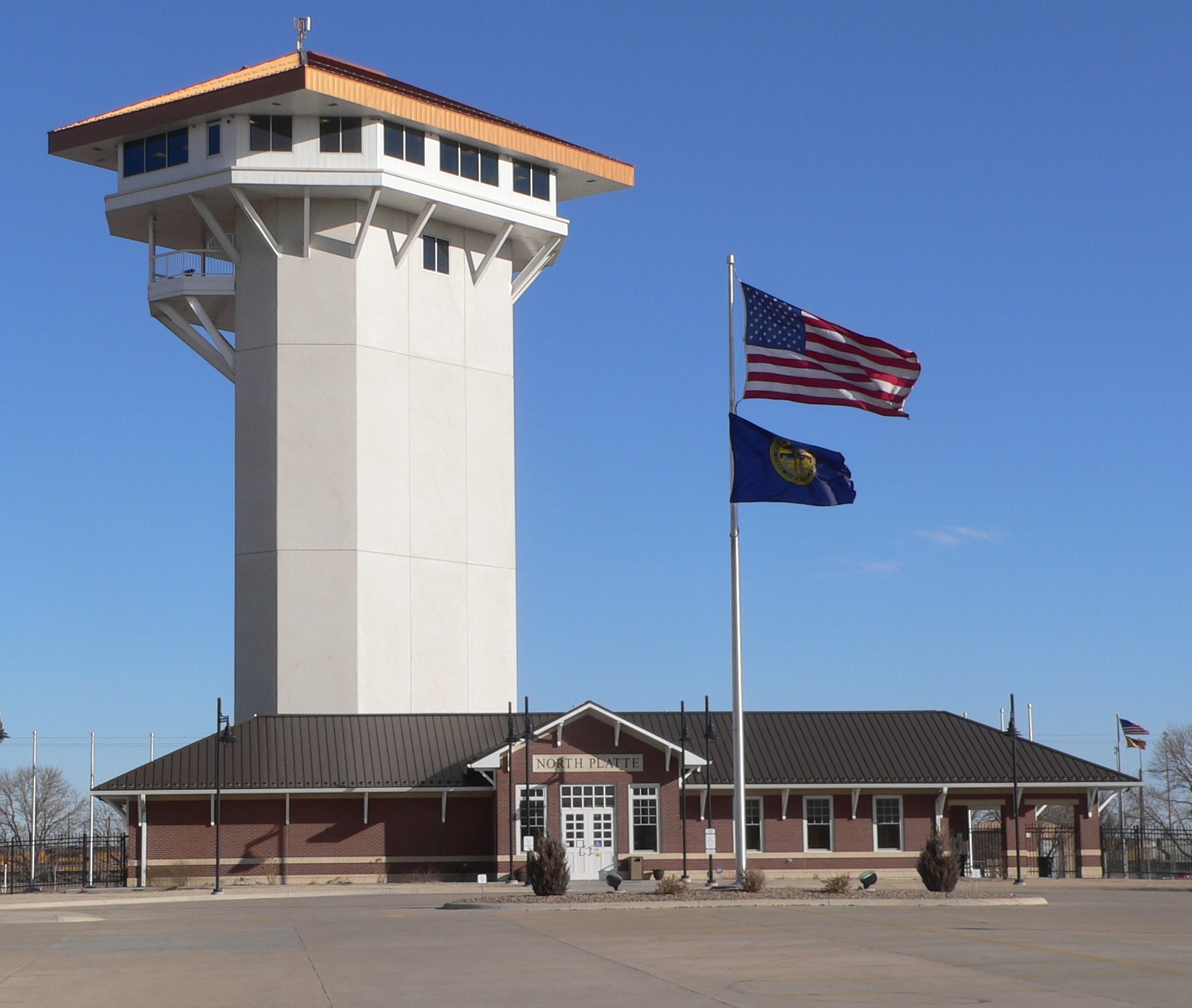
- North Platte woman killed in Maxwell crash
- Boxer Hannah Rapp dies in Texas cycling accident
- Motorcyclist killed on NE Portland overpass
- Buffalo man dies in NY Thruway guide rail crash
- Long Island officer's wife killed by drunk driver
A North Platte woman died Monday following a violent two-vehicle accident near Maxwell. The crash occurred just before noon on a rural stretch of highway, leaving local residents and authorities scrambling to respond to the devastating scene. Emergency crews arrived to find extensive damage to both vehicles, but despite their efforts, the woman was pronounced dead at the scene. The driver of the second vehicle survived with injuries that officials described as non-life‑threatening. This tragedy marks a dark day for Lincoln County, coming amidst a surge of fatal traffic incidents reported across the nation. Authorities closed the roadway for about 3 hours to clear debris and conduct a preliminary investigation into the cause of the collision. The Nebraska State Patrol is leading the inquiry, though they have not yet released the specific circumstances that led to the impact. • The victim was a resident of North Platte. • The crash happened near Maxwell, Nebraska. • The roadway remained closed for roughly 3 hours. Officials said the investigation is active and ongoing. The identity of the woman is being withheld pending notification of next of kin, a standard procedure in such sensitive cases.
A Deadly Day on America's Roads
The Maxwell tragedy was not an isolated event. It was part of a grim 24‑hour period that saw at least 7 lives lost on roads from Texas to New York across 4 states. While local police in Nebraska pieced together the wreckage near Maxwell, officials in Portland, Oregon, were responding to a fatal motorcycle crash on an overpass in the northeast part of the city. Simultaneously, news broke from Texas that Hannah Rapp, a prominent women's boxer known as 'Hanarchy,' was fatally struck by a driver while cycling. In Erie County, New York, a Buffalo man lost his life on the Thruway when his vehicle was struck by a tractor‑trailer, resulting in a horrific accident where a guide rail impaled his car. These incidents, separated by thousands of miles, paint a stark picture of the perils facing travelers today. Safety experts pointed out that summer months often see a 10% increase in traffic fatalities due to increased travel volume. However, the concentration of these deaths in a single day has raised alarm bells among transportation officials. The variety of vehicles involved—from motorcycles to big rigs to bicycles—highlights that no mode of transport is immune to risk. Each crash carries its own set of contributing factors, ranging from road conditions to human error. Yet, the collective toll is undeniable. Families in Nebraska, Texas, Oregon, and New York are now planning funerals instead of vacations. The sheer randomness of these tragedies serves as a chilling reminder of the fragility of life on the open road.
Hannah Rapp and the Rising Danger for Cyclists
The death of Hannah Rapp in Texas has sent shockwaves through the boxing community and beyond. Rapp, an accomplished athlete, was training on her bicycle when she was struck by a driver. Witnesses said the impact was severe, and despite the rapid arrival of emergency services, she succumbed to her injuries. This incident underscores a growing crisis for cyclists in the United States. According to data from the National Highway Traffic Safety Administration, cyclist fatalities have risen from roughly 600 in 2010 to over 800 in 2022 – an increase of about 30% in just over a decade. Experts said that distracted driving and inadequate infrastructure are largely to blame. In Rapp's case, local authorities are examining whether speed or impairment played a role in the driver's failure to avoid her. The boxing world has begun to mourn her loss, with tributes pouring in from fellow athletes who admired her dedication and spirit. But beyond the personal loss, her death adds to the statistics that advocates cite when demanding safer streets. 'We are seeing too many athletes, too many everyday people, losing their lives because our roads are designed for cars, not people,' a road safety advocate noted. The investigation in Texas is ongoing, but the tragedy has already reignited debates about stricter penalties for drivers who injure vulnerable road users. For the family in North Platte mourning their loss today, the news from Texas serves as a painful echo of the suddenness with which life can end.
The Physics of a High-Speed Impact
Details emerging from the Buffalo crash on the New York Thruway offer a grim look at the physics involved in high‑speed collisions. Investigators said a tractor‑trailer traveling at an estimated 70 mph and a Kia at about 55 mph entered the south shoulder, striking a guide rail. The force of the collision partially sheared off the rail, which then impaled the smaller vehicle. The driver of the Kia, identified as a Buffalo man, died at the scene. This type of accident highlights the lethal potential of roadside infrastructure when struck at high velocities. While guide rails are designed to keep cars on the roadway, they can become deadly projectiles in the wrong angle of impact. The truck driver, Dru Montae Chism of Belleville, Illinois, survived with minor injuries. Police noted that Chism showed no signs of impairment, suggesting that mechanical failure or road conditions might be factors. The crash closed all eastbound lanes for roughly 4 hours, causing massive backups as reconstruction teams worked to map the scene. For traffic engineers, accidents like these provide critical data. They analyze the angle of impact, the speed of the vehicles, and the failure points of safety barriers to design better systems. However, for the victims' families, these technical details offer little solace. The brutality of the Maxwell crash in Nebraska likely involved similar violent forces. When two heavy vehicles collide at highway speeds, the energy transfer is often catastrophic, making survival difficult for occupants, especially on the side of the impact.
Impaired Driving Claims Another Life in Long Island
While the cause of the Maxwell crash remains under investigation, authorities in Long Island have already confirmed a deadly factor in their recent tragedy: drunk driving. Matthew Smith, a 34‑year‑old man, blew through a red light at 70 mph in a 30 mph zone—more than double the posted limit—slamming his pickup truck into a vehicle driven by Patricia Espinoza. Espinoza was a Nassau County police officer and a married mother. She was rushed to the hospital but died from her injuries. The irony of the case is heartbreaking. Espinoza's husband, also a police officer, was one of the first responders to the crash scene, only to discover his wife was the victim. Smith reportedly had a blood‑alcohol level of 0.18%, more than twice the legal 0.08% limit. This incident serves as a stark example of the preventable nature of so many road deaths. Unlike the Maxwell accident, where factors are still being determined, the Long Island crash points directly to human recklessness. Officials said Smith faces charges including vehicular manslaughter and driving while intoxicated. The tragedy has devastated the local police department and the community. 'Every single one of these deaths is a preventable tragedy,' a traffic safety official said. 'When you get behind the wheel impaired, you are wielding a deadly weapon.' As the investigation in Nebraska continues, officials will undoubtedly be looking at whether alcohol or drugs were factors in the Maxwell crash as well. Toxicology reports are standard in fatal accident investigations, though results often take weeks to process.
Investigation Continues in Nebraska
Back in Maxwell, the cleanup is underway, but the work of finding answers is just beginning. The Nebraska State Patrol crash reconstruction team—one of over 450 patrol units that have investigated crashes statewide this year—is meticulously analyzing the scene. They will measure skid marks, inspect vehicle damage, and download data from onboard computers if available. This data can reveal the speed of the vehicles and whether the drivers attempted to brake before the collision. Witnesses are being interviewed to build a timeline of the moments leading up to the impact. Maxwell, a small village in Lincoln County, is not typically the site of such violent accidents, making the event even more jarring for the close‑knit community. Local residents expressed their sorrow and concern for the family involved. 'You just don't expect something like this to happen here,' a local business owner said. The road where the crash occurred is a two‑lane highway that connects smaller communities to North Platte and sees an average of about 4,000 vehicles per day. It is known for long, straight stretches that can tempt drivers to speed, though it also has intersections that require caution. Officials have not ruled out any cause, from distracted driving to medical emergencies. Until the final report is released, the community remains in a state of shock and mourning. The death of the North Platte woman adds to the toll of a violent summer on the roads. As the investigation unfolds, the focus remains on supporting the victim's family and finding answers to prevent another tragedy.