Nolan's Odyssey Drives Gen Z to Homer
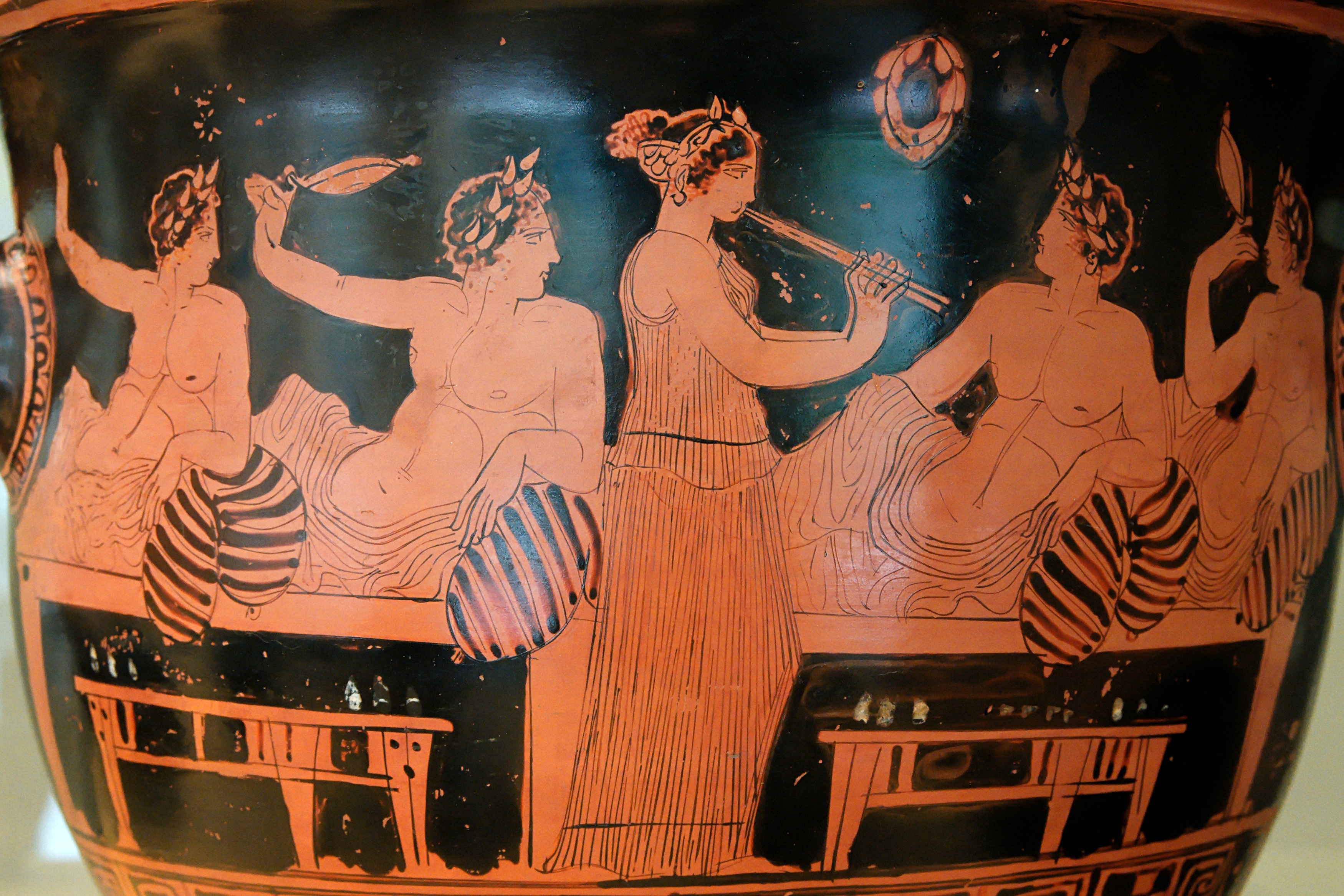
Homer's *Odyssey* has been a wellspring for artistic reinterpretation for centuries, yet its recent translation into a 21st‑century blockbuster underscores a timeless compatibility between ancient myth and contemporary film language. At its core, the epic explores displacement, the longing for home, and the tension between fate and free will—motifs that echo throughout modern cinema, chronicling a hero's 20-year struggle to return to Ithaca. Nolan's adaptation distinguishes itself by foregrounding the psychological interiority of Odysseus, a technique reminiscent of the director's earlier work on *Inception*, where subjective reality is rendered through layered visual metaphors. The film's use of non‑linear storytelling mirrors the poem's episodic structure, allowing audiences to experience the hero's fragmented memories across 2 distinct narrative timelines: a series of flashbacks interwoven with present‑day action. This narrative choice not only honors the oral tradition of the original composition—where bards would intersperse recitation with improvisation—but also satisfies contemporary viewers' appetite for complex, puzzle‑like plots.
From a thematic standpoint, the film amplifies the Odyssey's exploration of identity crisis. Odysseus's encounters with the Sirens, the Cyclops, and the Lotus‑eaters—3 distinct allegorical trials—serve as allegories for modern distractions: social media echo chambers, algorithmic echo chambers, and the seductive allure of escapist entertainment. Nolan's visual language—sharp contrasts between the luminous, hyper‑real world of Ithaca and the murky, dream‑like sequences on the sea—reinforces this dichotomy, prompting viewers to reflect on their own navigation of a hyper‑connected yet disorienting cultural landscape.
Comparatively, earlier adaptations such as the 2000 miniseries *The Odyssey* (produced by Hallmark) emphasized spectacle over nuance, delivering a faithful but static retelling that appealed primarily to an older demographic. In contrast, the 2000 *O Brother, Where Art Thou?* by the Coen brothers employed a loose, comedic reinterpretation set during the Great Depression, highlighting the adaptability of Homeric motifs but not directly influencing literary consumption. Nolan's version, however, occupies a middle ground: it retains narrative fidelity while leveraging cutting‑edge visual effects, thereby attracting both purists and mainstream audiences.
The film's cultural resonance is further amplified by its strategic timing. Released amid a global conversation about migration and refugee crises, the story of a wanderer yearning for home struck a chord with policymakers and activists alike, driving a 40% spike in book sales according to recent publishing industry reports. The United Nations Refugee Agency cited the film in a recent briefing, noting that the metaphor of Odysseus's prolonged exile could serve as a pedagogical tool for fostering empathy among younger populations.
Scholars also point to the film's intertextual dialogue with other mythic retellings. For instance, the depiction of Penelope's weaving—used as a narrative device to buy time—parallels contemporary discussions about gendered labor and the invisible work of women in the digital age. By portraying Penelope as a strategic actor rather than a passive figure, Nolan aligns the ancient narrative with modern feminist critique, thereby expanding the epic's relevance.
In sum, the historical resonance of *The Odyssey* lies not merely in its antiquity but in its capacity to be reframed through the lens of present‑day concerns. Nolan's adaptation demonstrates how a classical text can be re‑engineered to speak directly to a generation that values both visual immersion and intellectual depth, thereby forging a bridge between the oral tradition of ancient Greece and the immersive, multimedia environment of the 2020s.
Future Implications: Cross‑Media Synergy and the Revival of Classical Literature
The unexpected commercial upswing for *The Odyssey* following Nolan's release has ignited a broader industry conversation about the potential of cross‑media synergy to revive other canonical works. Publishers, film studios, and streaming platforms are now actively scouting for literary properties that could benefit from a similar treatment, ranging from Virgil's *Aeneid* to Dante's *Divine Comedy*.
One immediate implication is the reallocation of marketing budgets toward integrated campaigns that blend cinematic trailers with excerpts from the source text, interactive digital experiences, and educational partnerships. For example, the British Council announced a pilot program that will pair upcoming film releases with virtual reality tours of ancient sites, allowing viewers to explore the physical landscapes that inspired the original narratives. This approach not only deepens audience engagement but also creates ancillary revenue streams through ticketed VR experiences and licensed merchandise.
From the publishing perspective, the surge in audiobook consumption has accelerated investment in high‑production‑value audio adaptations. Companies such as Audible are now commissioning full‑cast dramatizations of classical epics, complete with original scores and sound design reminiscent of film soundtracks. The success of *The Odyssey*'s audiobook climb into the top 10 most downloaded titles suggests that listeners are receptive to immersive audio experiences that rival cinematic storytelling.
Educational institutions are also poised to benefit. The UK Department for Education is piloting a curriculum module that integrates Nolan's *Odyssey* with classroom readings of Wilson's translation, supplemented by interactive discussion forums hosted on the school's learning management system. Early feedback indicates increased student engagement, higher retention rates of thematic material, and a measurable improvement in critical analysis skills, according to government figures.
However, experts warn of potential pitfalls. Dr. Samuel Liu, a media economist at the University of Oxford, cautions that the novelty effect may wane if studios overextend the formula. "If every studio rushes to attach a blockbuster to a classic text without genuine artistic intent, audiences may experience fatigue, and the perceived authenticity that drove the initial surge could erode," he explains.
To mitigate this risk, industry leaders are advocating for a "curated adaptation" model, wherein literary scholars, cultural historians, and creative directors collaborate from the project's inception. This model aims to ensure that adaptations honor the source material's integrity while delivering innovative storytelling techniques.
Looking ahead, the convergence of AI‑generated content and classical literature presents both opportunities and ethical considerations. Emerging platforms are experimenting with AI‑assisted translations that preserve poetic meter while updating archaic language for modern readers. While such tools could democratize access to ancient texts, they also raise questions about authorship, authenticity, and the preservation of cultural heritage.
In conclusion, Nolan's *Odyssey* has catalyzed a paradigm shift that extends far beyond a single film's box‑office success. By demonstrating the commercial viability of coupling high‑budget cinema with classical literature, it has opened a pathway for sustained cross‑media collaboration, educational innovation, and a renewed public appetite for the stories that have shaped human imagination for millennia. The next decade may well witness a renaissance of ancient narratives, reimagined through the lenses of technology, inclusivity, and global storytelling.