NATO Commander Heads to Warsaw to Signal Readiness Against Russia
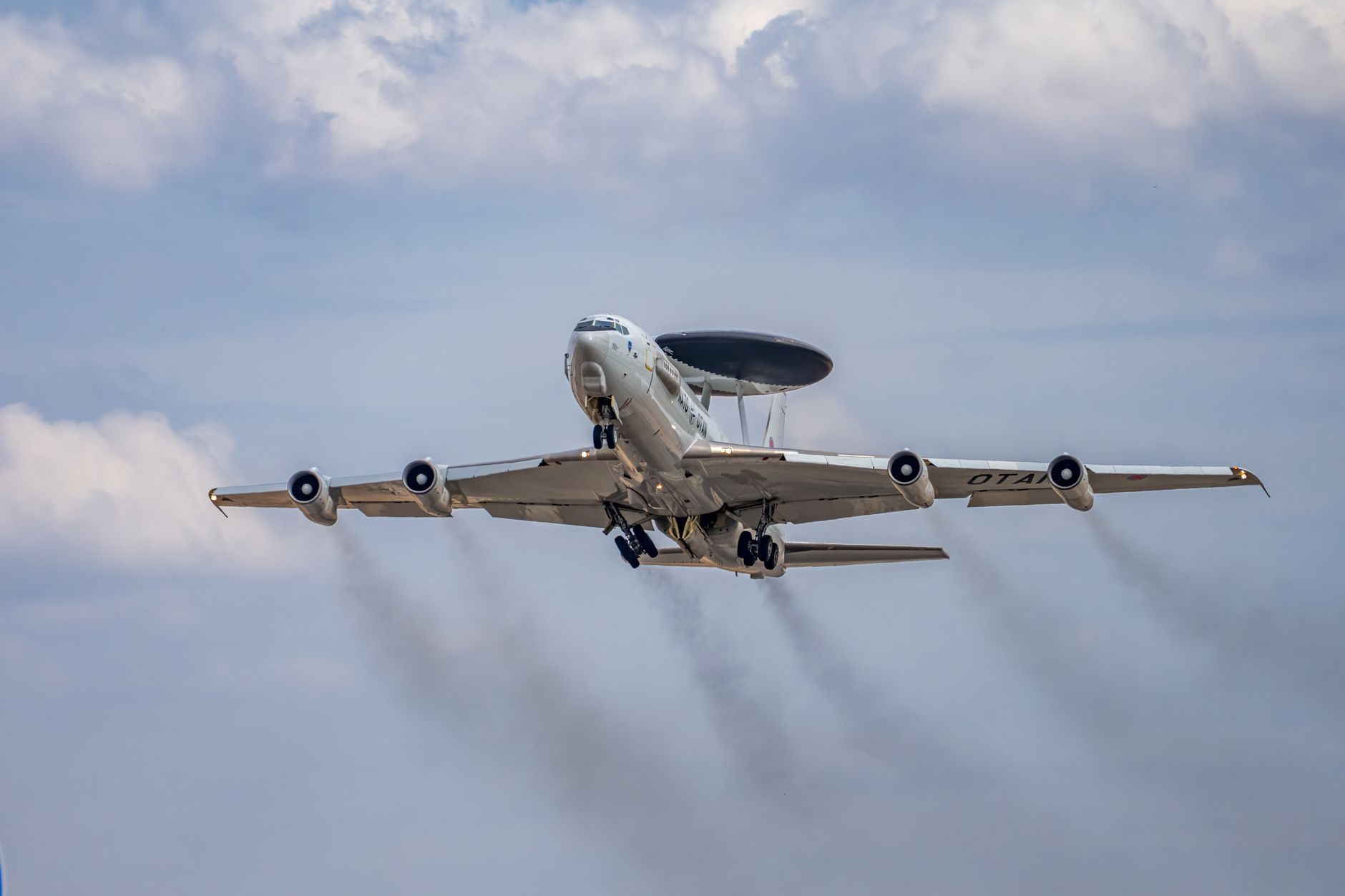
- NATO's top military commander will present a new strategy in Warsaw.
- The strategy focuses on deterring and defeating Russia in the event of an attack.
- The announcement comes as the alliance updates its defensive capabilities.
- Reports from France 24 and Informat.ro confirm the upcoming presentation.
- The initiative aims to clarify the alliance's ability to counter-attack.
NATO's top military commander in Europe will arrive in Warsaw to present a new strategy for deterring and defeating Russia in the event of an attack. The announcement, reported by Informat.ro on Monday, October 12, 2026, marks a clear shift in how the alliance communicates its defensive capabilities to Moscow.
The commander aims to demonstrate that the alliance possesses the necessary resources to respond to aggression. This move is a direct warning to Russian leadership regarding the alliance's readiness to counter-attack.
The strategy outlines specific procedures for a coordinated response across member nations. France 24 reported that the commander intends to clarify the alliance's ability to defend its borders. By choosing Warsaw as the location for this presentation, the alliance underscores the strategic importance of its eastern flank.
Poland remains a primary hub for security operations in the region. The meeting will address how the alliance coordinates its military assets in real-time. Officials seek to remove any ambiguity regarding the alliance's commitment to collective defense.
The strategy focuses on both deterrence and the capacity to defeat an adversary. This dual approach represents the latest effort to stabilize the security environment in Eastern Europe.
Defining the alliance defensive posture against Russia
The strategy centers on the ability of the alliance to act decisively when faced with a military threat. According to inkl, the commander will emphasize that the alliance is prepared to counter-attack if provoked. This message targets Russian military planners who monitor the alliance's movements closely.
The shift toward a more explicit 'defeat' strategy reflects a change in how the alliance views the current security climate. For years, the focus remained on deterrence through presence alone. Now, the alliance is shifting toward a more active posture.
This change requires member nations to align their military doctrines. The commander will present the details to ensure that all members understand their specific roles. Each nation contributes different assets to the collective defense.
The alliance has increased its focus on rapid response capabilities. This ensures that forces can move quickly to any point of tension. Inbox.lv reported that the upcoming presentation will provide the necessary framework for these actions.
The alliance maintains that its primary goal is to prevent conflict. However, the ability to defeat an aggressor is viewed as the best way to ensure peace. This perspective guides the new strategy being introduced in Warsaw.
Strategic importance of the Warsaw meeting
Warsaw is the logical choice for this announcement due to its location on the eastern edge of the alliance. Poland has consistently advocated for a stronger defensive presence in the region. The commander's presence in the city signals a commitment to the security of all frontline states.
The alliance has been working to integrate the defense plans of its newer members with those of its founding nations. This integration is essential for a unified response. The strategy being presented in Warsaw will outline how this integration works in practice.
Analysts suggest that the timing of this announcement is intended to send a clear message to Moscow. By formalizing the strategy in a public forum, the alliance removes any doubt about its intentions. The commander will provide the details necessary for member states to prepare their respective forces.
The alliance continues to emphasize transparency in its military planning. This helps to avoid misunderstandings that could lead to escalation. The strategy focuses on clear, actionable steps that each member can take. This approach ensures that the alliance remains a cohesive unit in the face of external pressures.
The meeting will also address how the alliance handles logistics and supply chains during a crisis. These elements are vital for any successful defense strategy.
Future implications for security in Europe
The introduction of this strategy will likely influence the security landscape for years to come. Member nations will now begin the process of adjusting their own military budgets and training to match the new guidance. The alliance expects that these changes will improve the overall speed and efficiency of its operations.
The commander's warning to Russia is expected to resonate throughout the international community. Other nations will be watching to see how the alliance implements this strategy. The focus remains on maintaining stability while being prepared for any scenario.
The alliance has also been coordinating with international partners to ensure that its message is understood globally. This includes clear communication with nations that have an interest in the stability of the European continent. The strategy is not just about military hardware; it is about political unity.
The alliance will continue to monitor the situation on its borders. The commander's presentation in Warsaw is the next step in a long-term effort to ensure security. The alliance remains committed to its core mission of collective defense. This strategy provides the tools to fulfill that mission in a changing world.
The alliance will continue to evaluate its progress and make adjustments as needed. This ensures that the strategy remains effective against evolving threats. The focus on deterrence and the capacity to defeat an aggressor will remain central to the alliance's operations.
Frequently Asked Questions
Add NewsPulse Time as a preferred source on Google