Tight Watch or Shoe May Signal Lymphedema Post-Cancer
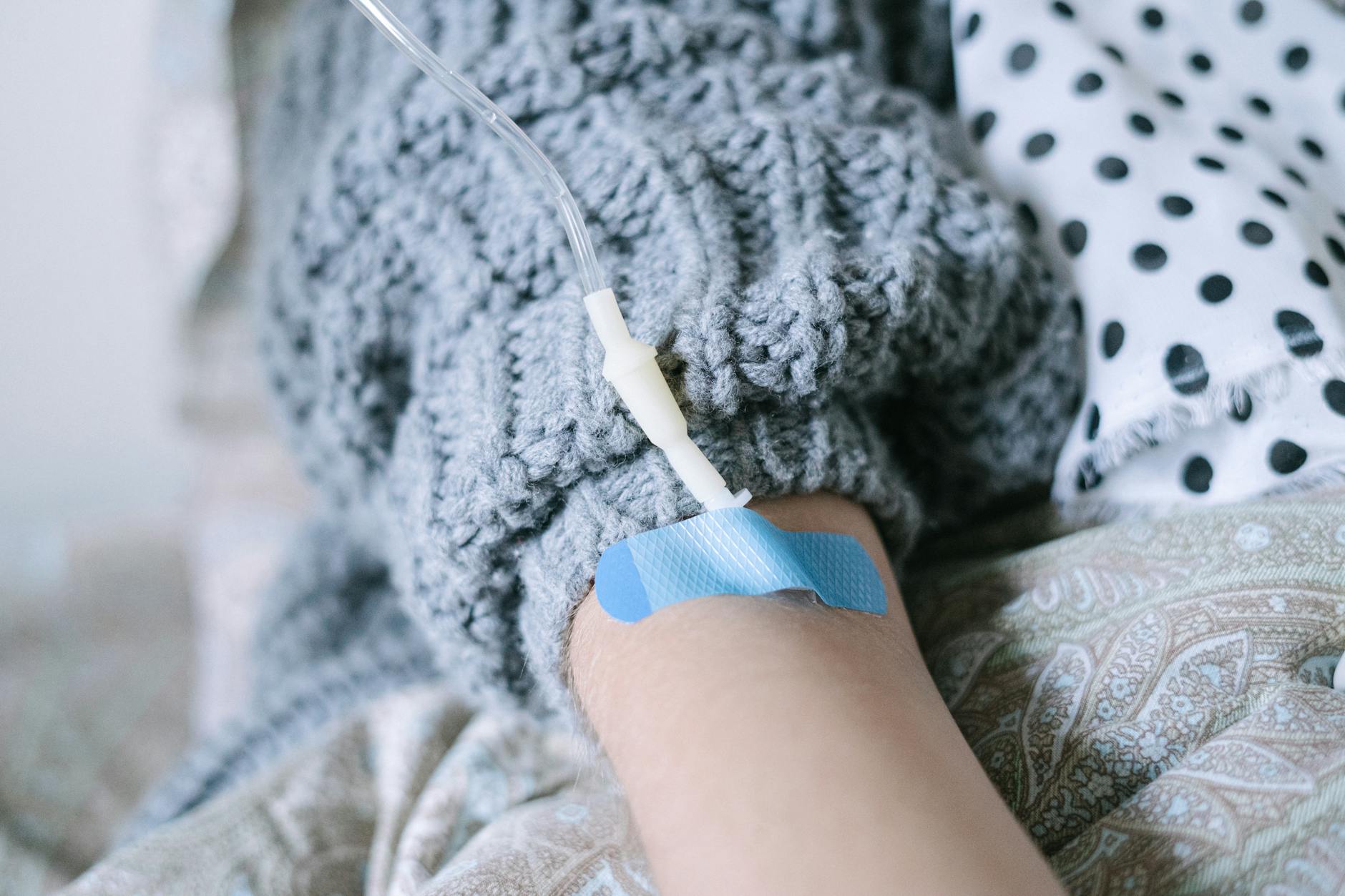
- Tight accessories can signal lymphedema development.
- Early detection helps manage swelling effectively.
- Cancer survivors should monitor limb changes daily.
- Persistent tightness requires professional medical review.
- Lymphedema results from damaged or removed lymph nodes.
Cancer survivors who notice their watch strap or shoes suddenly feeling tighter should monitor their limbs closely, as this could be an early indicator of lymphedema. The Indian Express reported on Sunday, October 11, 2026, that these small physical changes often precede visible, more severe swelling in patients recovering from cancer treatment.
When lymph nodes are removed or damaged during surgery or radiation, the body's natural drainage system faces a significant disruption. This interruption causes protein-rich fluid to accumulate in the tissues, leading to a condition known as lymphedema.
Most patients associate this condition with obvious, dramatic swelling. However, the first signs are frequently much more subtle. A watch that usually fits comfortably might suddenly pinch the skin. A pair of shoes that felt fine in the morning might feel restrictive by the afternoon. These minor discomforts serve as the body's way of signaling that fluid is beginning to collect in the limb.
Why early identification changes the recovery path
The clinical significance of these early warnings lies in the potential for intervention. If a patient identifies these symptoms before the swelling becomes chronic and hardened, they have a much higher chance of managing the condition effectively.
Lymphedema does not always present with pain initially. Many survivors ignore the tightness, assuming it is just a temporary side effect of their recovery or minor weight fluctuations.
Ignoring these signs allows fluid to build up further, which can eventually lead to skin changes, increased risk of infection, and long-term discomfort. Medical teams emphasize that patients should not wait for the swelling to become obvious or painful before reaching out to their care providers.
Early detection shifts the focus from managing a chronic, established condition to preventing its progression. This proactive approach saves patients from more intensive treatments later on.
Practical steps for daily limb monitoring
Survivors can incorporate simple monitoring habits into their daily routine to stay ahead of potential complications. Checking the fit of accessories is one of the most effective, non-invasive ways to track changes.
If a watch, ring, or shoe feels consistently tighter than usual for several days, it warrants a conversation with an oncology nurse or a physical therapist.
Patients should also pay attention to how their skin feels. Sometimes, the skin in the affected area might feel firmer or less elastic before any visible size difference appears.
Beyond physical checks, maintaining a healthy lifestyle remains a cornerstone of management. Keeping the limb elevated when possible and avoiding extreme temperatures can help support the lymphatic system.
It is important to remember that every patient's experience is unique. Some survivors may never develop lymphedema, while others might experience it months or even years after their primary treatment concludes. Regular self-monitoring provides a baseline that helps patients and their doctors identify when something is out of the ordinary.
When to consult your oncology team
Professional guidance remains essential once a potential symptom appears. If the sensation of tightness persists, a doctor can perform a clinical assessment to determine if the fluid buildup is indeed lymphedema or if other factors are involved.
Treatment options for lymphedema are highly effective when initiated early. These often include specialized compression garments, manual lymphatic drainage—a type of gentle massage that encourages fluid movement—and tailored exercise programs.
These interventions aim to reduce the volume of the limb and improve the patient's quality of life. The goal is to return the limb to a normal state and prevent the fluid from causing further tissue damage.
Patients should communicate openly with their oncology team about any new or unusual sensations in their arms or legs. Being an active participant in one's own health monitoring leads to better outcomes and provides peace of mind throughout the recovery journey.
Frequently Asked Questions
Add NewsPulse Time as a preferred source on Google