Lula secures fourth term in historic Brazilian election runoff
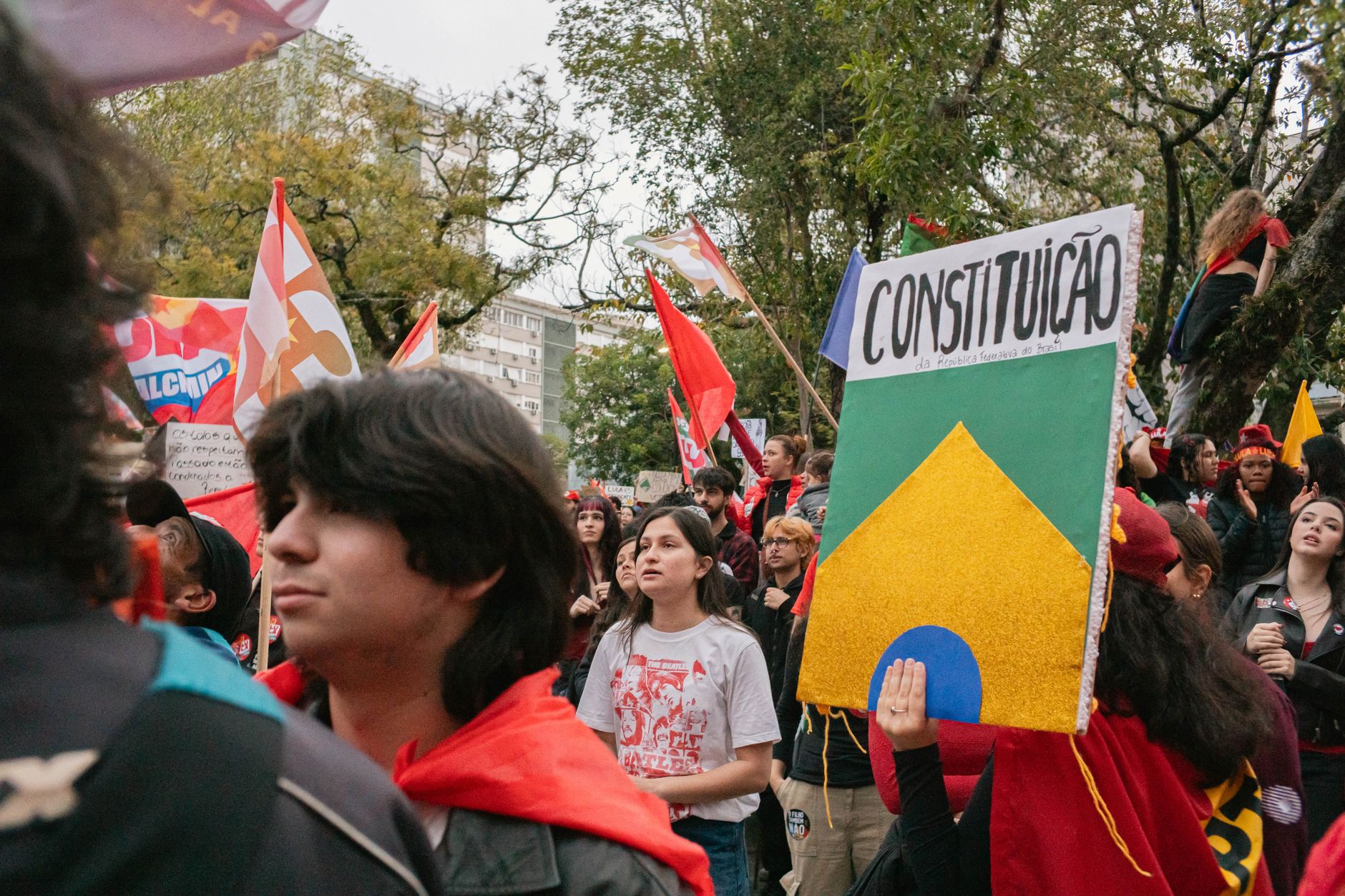
- Lula secured his fourth non-consecutive term as Brazil's president on October 25.
- The victory marks the first time since 1988 that a first-round leader lost the runoff.
- Jair Bolsonaro and other far-right figures have refused to accept the election results.
- Lula faces a difficult governing path with a conservative majority in Congress.
- The president-elect is scheduled to be inaugurated on January 5.
Lula secured a fourth non-consecutive term as president of Brazil after winning the runoff election on Sunday, October 25, 2026. This result marks the first time since the 1988 Brazilian Constitution that a candidate who led the first round lost the runoff.
Lula overcame a deficit of approximately 2.2 million votes from the first round to win the runoff in three weeks.
Jair Bolsonaro and far-right figures refuse to concede
Flávio Bolsonaro, the son of jailed former President Jair Bolsonaro, was the far-right presidential candidate who led after the first round. Jair Bolsonaro announced on Sunday that he will not concede and intends to seek an annulment of the vote.
Far-right figures Nikolas Ferreira and Lucas Pavanato have declared they will not accept the election results. The Trump administration may potentially question or refuse to recognize the election outcome due to its close ties with the Bolsonaro family.
Supreme Court clashes and legislative hurdles await Lula
Lula faces a difficult governing environment with a conservative majority in Congress and more than a dozen right-wing state governors. On election day, Supreme Court and Supreme Electoral Court justices clashed over whether to extend voting hours following allegations of voter suppression against Lula supporters.
The Supreme Court is experiencing an erosion of legitimacy due to a major financial scandal involving Banco Master. These institutional pressures are noted in Brazil's political context.
Lula approaches record-breaking 16-year presidential tenure
At the end of his new term, 80-year-old Lula will have served 16 years as president. This tenure is the longest for any democratically elected leader in Brazilian history.
Getúlio Vargas remains the longest-serving Brazilian president, having held power for nearly two decades between the 1930s and 1950s. His rule involved revolution, dictatorship, and democratic election.
A subscription to the outlet costs $120 a year. The publication says this contribution helps protect Indian democracy.
Global implications and the challenge of national polarization
Lula’s victory is described as a "miracle" that buys time for Brazil and resonates globally amid the rise of the far right. Guilherme Casarões, Associate Professor of Brazilian Studies at Florida International University, says the win creates a new narrative.
This account addresses insecure employees, devout households, and frustrated voters who have moved in the direction of the far right. The piece asserts that the sole genuine remedy for polarisation will not arise from one individual leader or a solitary election.
Lula’s return has provided Brazil with a reprieve, yet achieving success relies on the incremental actions he and his partners take throughout the coming four years. As the article notes, the final objective for Lula is ensuring that Brazil no longer requires another miracle.
Inauguration scheduled for January 5
Lula is scheduled to be inaugurated on January 5.
Readers are invited to send comments regarding these developments to letters@scroll.in.
Frequently Asked Questions
- Lula’s ‘miracle’ victory buys time for Brazil, resonates globally amid rise of far-right (scroll.in)
- Brazil (Wikipedia — background) (en.wikipedia.org)
Add NewsPulse Time as a preferred source on Google