Global Health Crisis Deepens as Wildfires and Geopolitical Conflicts Strain Public Systems
A catastrophic public health emergency is unfolding across southwestern Europe. On Sunday 26 July 2026, ferocious wildfires ravaging the border regions of France and Spain have forced the mass evacuation of over 200,000 people. The speed of the blaze, fueled by record-breaking summer temperatures and dry conditions, has left residents with little time to gather belongings, creating a scenario ripe for immediate physical trauma and long-term respiratory issues.
Health officials are particularly concerned about the dense plumes of smoke blanketing the region. The smoke contains a complex mixture of particulate matter, including PM2.5, which can penetrate deep into the lungs and enter the bloodstream. For the 200,000 displaced individuals, exposure to these toxins is almost unavoidable. Evacuation centres are reporting spikes in cases of smoke inhalation, dehydration, and heat exhaustion.
The psychological toll is equally alarming. Sudden displacement triggers acute stress responses, which can exacerbate underlying chronic conditions such as hypertension and asthma. Medical teams on the ground are working tirelessly to distribute inhalers and provide mental health support to families who have lost their homes. The fires are not merely an environmental disaster; they are a direct attack on the respiratory health of the continent.
Authorities have established field hospitals in temporary shelters to cope with the influx of patients. These facilities are currently treating burns and eye injuries caused by the intense heat and flying ash. The elderly and children are identified as the most vulnerable groups, with paediatricians warning that the developing lungs of children are disproportionately affected by wildfire smoke. As the fires continue to burn uncontrolled, the long-term health consequences for the region are expected to be severe, potentially leading to a spike in cardiovascular and respiratory diseases in the coming months.
India's Education Minister Resigns Amid Student Mental Health Crisis
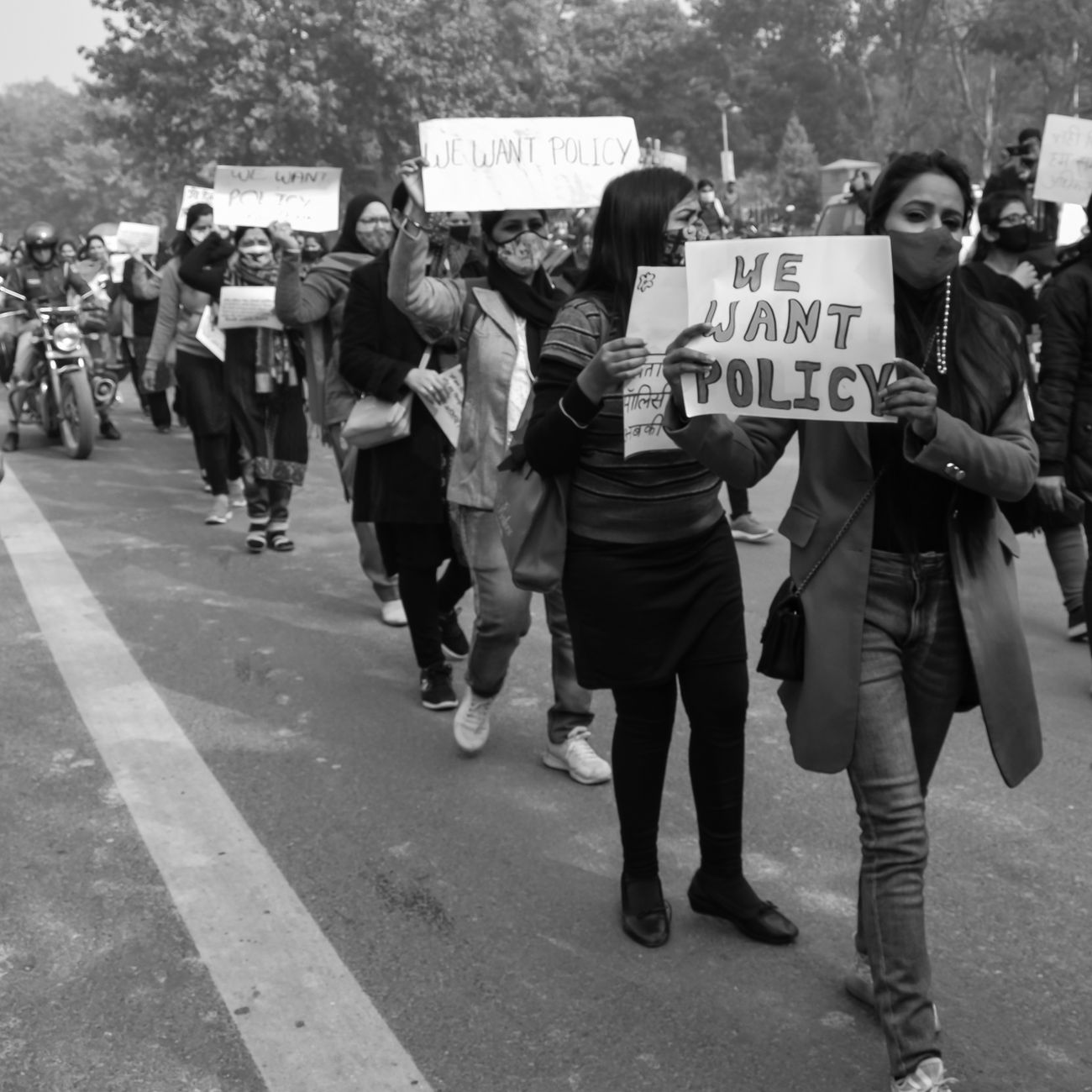
In India, a different kind of health crisis has prompted a high-level political resignation. The country's Education Minister has stepped down following weeks of intense, student-led protests. The demonstrations, centred around the NEET (National Eligibility cum Entrance Test) examinations, highlight the immense psychological pressure placed on young people in the competitive education system.
The protests were ignited by systemic irregularities and the perceived unfairness of the examination process, which determines admission to medical colleges. For students aspiring to become doctors, the NEET exam is the single most defining moment of their young lives. The recent controversies have shattered their trust in the system, leading to widespread anxiety, depression, and in some tragic cases, self-harm. The resignation of the minister is a direct acknowledgment of the severity of the situation.
Public health experts argue that the mental health of India's youth is a ticking time bomb. The relentless pressure to succeed, coupled with the fear of future uncertainty, creates a toxic environment. The protests themselves, while a democratic expression of grievance, have also taken a physical toll. Students have marched for days in the sweltering summer heat, suffering from exhaustion and dehydration.
The 'Cockroach' controversy, where a derogatory term was used to describe protesting students, further inflamed tensions and deepened the sense of alienation among the youth. Mental health advocates are calling for a complete overhaul of the counselling infrastructure available to students. They argue that academic excellence cannot come at the cost of mental well-being. The minister's departure may be a political victory for the protesters, but the real work lies in rebuilding a support system that prioritises the psychological health of the nation's future doctors over rigid testing metrics.
Trump Vows Military Action as Iran Strikes US Bases, Threatening Regional Health Stability
Escalating military conflict in the Middle East poses a grave threat to public health infrastructure. Former President Donald Trump has issued stark warnings regarding ongoing negotiations with Iran, stating that the United States is 'locked and loaded' and ready for further military actions. This rhetoric follows confirmed reports that Iran has struck US bases across the Gulf, marking a dangerous escalation in hostilities.
From a humanitarian perspective, the breakdown of diplomatic channels is disastrous. Conflict inevitably leads to the collapse of healthcare systems. In the event of a full-scale confrontation, hospitals in the region would be overwhelmed by casualties, while supply chains for essential medicines would be severed. The strikes on US bases signal a volatility that puts millions of civilians at risk of physical trauma and the psychological terror of war.
Trump's emphasis on a military option, while negotiations are ostensibly underway, creates a climate of fear. Chronic stress and anxiety are known to weaken the immune system, making populations more susceptible to infectious diseases. Furthermore, the displacement of civilians due to crossfire creates crowded, unsanitary conditions in refugee camps, which are breeding grounds for outbreaks of cholera and dysentery.
Health organisations are monitoring the situation closely. The destruction of water purification plants and power grids, often collateral damage in modern warfare, leads to immediate public health crises. Without clean water and electricity, treating even minor injuries becomes impossible. The international community is bracing for a potential humanitarian disaster, urging all parties to consider the human cost of military escalation. The health of the region hangs in the balance, threatened not just by bombs, but by the total collapse of the medical support systems required to sustain life under siege.
Houthi Attacks on Saudi Oil Facilities Spike Global Energy Costs
The economic shockwaves from conflict are translating into tangible health risks for populations far removed from the battlefield. The Houthi group has claimed responsibility for recent attacks on Saudi oil facilities, a move that has disrupted global energy markets and pushed oil prices above the $100 (€92) per barrel mark. While this is a geopolitical and economic statistic, its impact on public health is profound and immediate.
Rising oil prices have a cascading effect on the cost of healthcare. In Europe, where energy prices are already a concern, the surge in oil costs increases the operational expenses of hospitals. Heating, sterilisation, and the operation of life-saving medical equipment all rely on stable energy supplies. As costs rise, healthcare systems are forced to make difficult budgetary choices, often cutting back on preventative care or community health programmes.
Furthermore, the cost of transportation affects the availability of medical supplies. Ambulance services become more expensive to run, potentially delaying response times in emergencies. The production and distribution of pharmaceuticals, which depend heavily on petrochemicals, also see price hikes. This means that essential medications could become unaffordable for vulnerable populations.
The attacks themselves highlight the environmental hazards of modern warfare. Strikes on oil facilities release toxic fumes and pollutants into the atmosphere, posing long-term risks to respiratory health in the surrounding regions. The combination of economic strain and environmental degradation creates a dual threat to public health. As the conflict continues to simmer, the poorest citizens are likely to bear the brunt of these rising costs, facing a choice between heating their homes and managing their health.
South China Sea Tensions Escalate with Water Cannon Clash
Tensions in the Asia-Pacific region have flared up following a violent confrontation between Chinese and Philippine vessels in the South China Sea. CNN reporters on the scene documented the use of water cannons by Chinese coast guard vessels against Philippine boats. While this incident is primarily a diplomatic and territorial dispute, it carries significant implications for physical safety and mental health.
The use of high-pressure water cannons can cause serious physical injuries, including broken bones, lacerations, and head trauma. For the fishermen and coast guard personnel involved, the immediate risk is drowning and severe blunt force trauma. Beyond the physical injuries, such aggressive encounters instil a deep sense of insecurity among coastal communities who rely on these waters for their livelihood.
The psychological impact of living in a disputed zone is often overlooked. The constant threat of confrontation creates a state of chronic hyper-vigilance among local populations. This prolonged stress can lead to anxiety disorders and depression. Moreover, the disruption of fishing activities threatens food security. Fish is a primary source of protein for millions in the region; any disruption to the supply chain can lead to nutritional deficiencies, particularly among children.
The clash also risks drawing in larger powers, potentially widening the conflict. A broader military confrontation in the region would devastate public health infrastructure, similar to the fears expressed regarding the Middle East. The incident serves as a stark reminder that geopolitical manoeuvring often has direct, harmful consequences on the physical and mental well-being of civilians caught in the crossfire.
Omani Delegation Scrambles to Tehran as War Fears Mount
Amidst this global backdrop of wildfires, protests, and military posturing, a diplomatic mission led by an Omani delegation has arrived in Tehran. Their mission is critical: to de-escalate tensions and prevent a wider war in the Gulf. While this is a political development, it is fundamentally a public health intervention.
Diplomacy is the most effective tool for preventing the catastrophic health consequences of war. By engaging in dialogue, the Omani delegation is working to protect millions of civilians from the trauma of conflict. The success of these talks could mean the difference between a stable region and one plunged into chaos.
Health officials are watching these developments with bated breath. The strain on global health systems is already at a breaking point due to the COVID-19 pandemic and the ongoing climate crisis. A major war would stretch these resources beyond their limits. The delegation's efforts represent a beacon of hope for a world currently teetering on the edge of multiple disasters.
The interconnectedness of these events—from the fires in Europe to the talks in Tehran—demonstrates that health is a global issue. A conflict in one corner of the world affects oil prices in another, which in turn affects hospital budgets in Europe. Similarly, the mental health crisis among students in India reflects a global struggle to cope with pressure and uncertainty. As the Omani delegation works to broker peace, the world watches, recognising that stability is the prerequisite for health.