Dr. Skondra's 2 Habits to Boost Vision and Gut Health
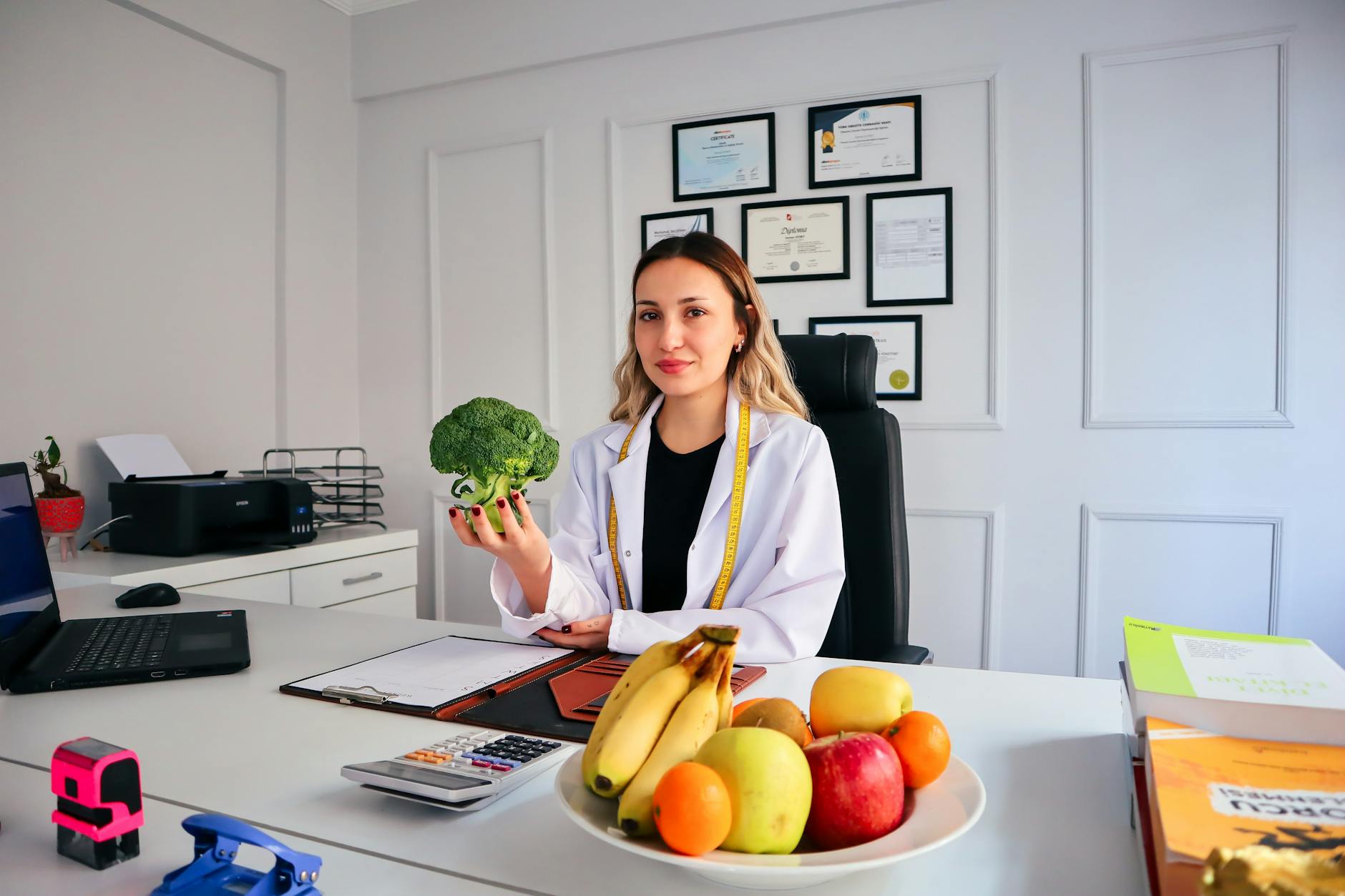
- Dr. Skondra recommends 30 plant foods weekly
- Gut health linked to reduced vision loss
- Whole foods combat systemic inflammation
- Canadian seniors face rising eye disease rates
- Diet diversity supports microbiome health
As Canadians live longer, the quest for maintaining quality of life into the golden years has shifted from merely surviving to thriving.
Dr. Skondra, a physician specializing in longevity, has shared two straightforward habits that she says are pivotal for improving gut health and potentially staving off age-related vision loss.
Speaking on the growing connection between the digestive system and ocular health, Skondra emphasized that the path to longevity begins in the kitchen, not the pharmacy.
Her advice centres on a radical simplification of nutrition: eat a diet rich in whole, plant-based foods and diversify that intake by consuming approximately 30 different plant foods every single week.
The recommendation comes at a critical time.
Statistics Canada data indicates that the senior population is growing faster than any other age group, placing unprecedented pressure on the healthcare system to manage chronic conditions.
Vision loss, particularly age-related macular degeneration (AMD), affects millions of Canadians, according to national health data, significantly impacting independence and quality of life.
Skondra argues that the solution to these complex biological problems lies in nurturing the microbiome, the vast community of bacteria living in the gut.
"The gut is the command centre for the body," Skondra explained, highlighting the direct link between digestive health and systemic inflammation.
By targeting the gut, she suggests, we can influence distant organs, including the eyes.
"When we optimize our internal ecosystem, we are essentially building a fortress against disease."
The two habits are deceptively simple yet require a shift in how most people approach meal planning.
The first is a commitment to whole foods, stripping away processed items that often line the shelves of Canadian grocery stores.
The second is a focus on diversity, pushing beyond the habitual rotation of broccoli and carrots to include a vast spectrum of plant life.
Experts suggest that this diversity feeds a wider range of beneficial bacteria, which in turn produce anti-inflammatory compounds that circulate throughout the body.
This approach aligns closely with the revised Canada's Food Guide, which moved away from specific serving sizes and toward a plate model dominated by vegetables and fruits.
However, Skondra's 30-plant target offers a specific, measurable metric that encourages culinary exploration.
It is not just about eating more plants, but about eating *different* plants.
"Every colour represents a different set of phytonutrients," experts noted.
"You wouldn't build a house with only one type of brick, and you can't build a resilient microbiome with only one type of fibre."
The implications for public health are substantial.
If a simple dietary adjustment could delay the onset of AMD or other degenerative diseases, the burden on hospitals and long-term care facilities could be alleviated.
In Canada, where healthcare costs are rising annually, preventative nutrition is becoming a key focus for policymakers and health practitioners alike.
The conversation around longevity is also expanding beyond just heart health or weight management.
It now encompasses sensory health, specifically vision, which is often taken for granted until it begins to fail.
The connection between the gut and the eye, known as the gut-retina axis, is a burgeoning field of study that validates Skondra's recommendations.
Research indicates that metabolites produced by gut bacteria can travel through the bloodstream to protect the retina from oxidative stress, a key driver of AMD.
Consequently, what we eat today may literally determine what we see tomorrow.
- 30 different plant foods per week is the target.
- Whole foods replace processed items to reduce inflammation.
- Gut health is directly linked to vision preservation.
The Science Behind the 30-Plant Target
The recommendation to consume 30 different plant foods weekly is not a random number plucked from thin air; it is rooted in microbiome science.
Researchers have observed that individuals who consume a higher variety of plant-based foods harbor a more diverse gut microbiome.
Diversity is the hallmark of a healthy gut ecosystem.
When the microbiome is diverse, it is more resilient, more capable of fighting off pathogens, and more efficient at extracting nutrients from food.
"A diverse microbiome is a buffer against disease," experts confirmed.
This concept challenges the standard Canadian diet, which often relies on a limited repertoire of staples.
Many households rotate the same five to ten vegetables week after week.
While nutritious, this repetition limits the types of bacteria that can thrive in the gut.
Each plant species contains unique types of fibre that serve as food for specific bacterial strains.
If you don't eat the fibre, the bacteria starve and disappear.
To hit the 30-plant mark, one must count not just vegetables and fruits, but also nuts, seeds, herbs, spices, and whole grains.
A sprinkle of cinnamon on oatmeal counts.
A handful of walnuts in a salad counts.
Turmeric in a curry counts.
This broad definition makes the goal attainable without needing to forage for exotic ingredients.
It encourages a more mindful approach to cooking, where every ingredient is viewed as a tool for health.
Health Canada has long promoted the benefits of fibre, but this advice takes it a step further by emphasizing the *source* of that fibre.
It is not enough to take a psyllium husk supplement; the body needs the complex matrix of nutrients found in whole plants.
The impact of this dietary shift can be measured relatively quickly.
Studies have shown that changes in the gut microbiome can occur within days of altering diet, scientific trials suggest.
This rapid response offers hope to those looking to improve their health status immediately.
However, consistency is key.
The benefits are cumulative, building over time to create a robust internal environment.
For Canadians, the seasonal availability of produce can pose a challenge to maintaining this diversity, especially during the long winter months.
Frozen fruits and vegetables, however, are just as nutritious as fresh ones and can be a vital tool in hitting the 30-plant target when the farmers' markets are closed.
"Frozen produce is picked at peak ripeness, locking in nutrients," sources confirmed.
This accessibility ensures that geography and climate do not have to be barriers to optimal health.
Furthermore, the economic argument for this diet is gaining traction.
While premium organic products can be expensive, staples like dried beans, lentils, and seasonal produce are quite affordable.
Investing in nutrition now can lead to significant savings in healthcare costs down the road.
- Diversity in diet equals diversity in gut bacteria.
- Herbs, spices, nuts, and seeds all count toward the total.
- Frozen produce is a viable and nutritious option.
- Benefits to the microbiome can appear within days.
How Gut Health Directly Protects Your Eyes
The link between digestion and vision might seem tenuous at first glance, but the biological pathways connecting the two are well-established.
This connection, often referred to by scientists as the gut-eye axis, suggests that chronic inflammation originating in the gut can travel to the eye and cause damage.
Age-related macular degeneration (AMD) is the leading cause of vision loss in Canadians over 50, health organizations report.
It involves the deterioration of the macula, the central part of the retina responsible for sharp, straight-ahead vision.
Current treatments can slow the progression but cannot cure the disease.
This is where prevention becomes paramount.
Skondra's recommendations aim to address the root cause of inflammation.
When the gut microbiome is out of balance—often due to a diet high in processed foods and low in fibre—the intestinal barrier can become permeable.
This condition, colloquially known as "leaky gut," allows bacterial toxins to enter the bloodstream.
These toxins trigger systemic inflammation, which can damage blood vessels and tissues throughout the body, including the delicate vessels in the eye.
"Inflammation is the common denominator in most chronic diseases," experts noted.
Conversely, a healthy gut produces short-chain fatty acids (SCFAs) like butyrate when it fermentes fibre.
These SCFAs have potent anti-inflammatory properties.
They help regulate the immune system and can protect the retina from oxidative stress, a key factor in the development of AMD.
Essentially, the good bacteria in your gut are manufacturing medicine for your eyes every time you eat a fibre-rich meal.
This biological reality underscores the importance of Skondra's first rule: eating whole, plant-based foods.
Ultra-processed foods, which make up a significant portion of the average Canadian diet, often lack fibre and contain additives that can disrupt the gut microbiome.
By replacing these with whole foods, we starve the bad bacteria and feed the good ones.
The impact extends beyond AMD.
Glaucoma and diabetic retinopathy, other leading causes of blindness, are also influenced by vascular health and inflammation.
A diet that supports the gut therefore supports the entire vascular system, ensuring that the eyes receive a steady supply of oxygen-rich blood.
Moreover, specific nutrients found in plants are directly beneficial for eye health.
Lutein and zeaxanthin, found in leafy greens like kale and spinach, accumulate in the retina and act as natural sunblock, absorbing damaging blue light.
Vitamin C, abundant in berries and peppers, supports the health of blood vessels in the eye.
By eating a wide variety of plants, one ensures a steady intake of these protective compounds.
The choices made at breakfast, lunch, and dinner have a direct correlation to the ability to see clearly in the decades to come.
- Chronic gut inflammation can lead to vision loss.
- Short-chain fatty acids protect the retina from damage.
- Lutein and zeaxanthin in greens act as natural eye protection.
- Whole foods support vascular health essential for good eyesight.
Whole Foods vs. Processed: A Canadian Perspective
The second pillar of Skondra's longevity strategy involves a