Confitex Wins Dual Industry Honors for Washable Hygiene Tech
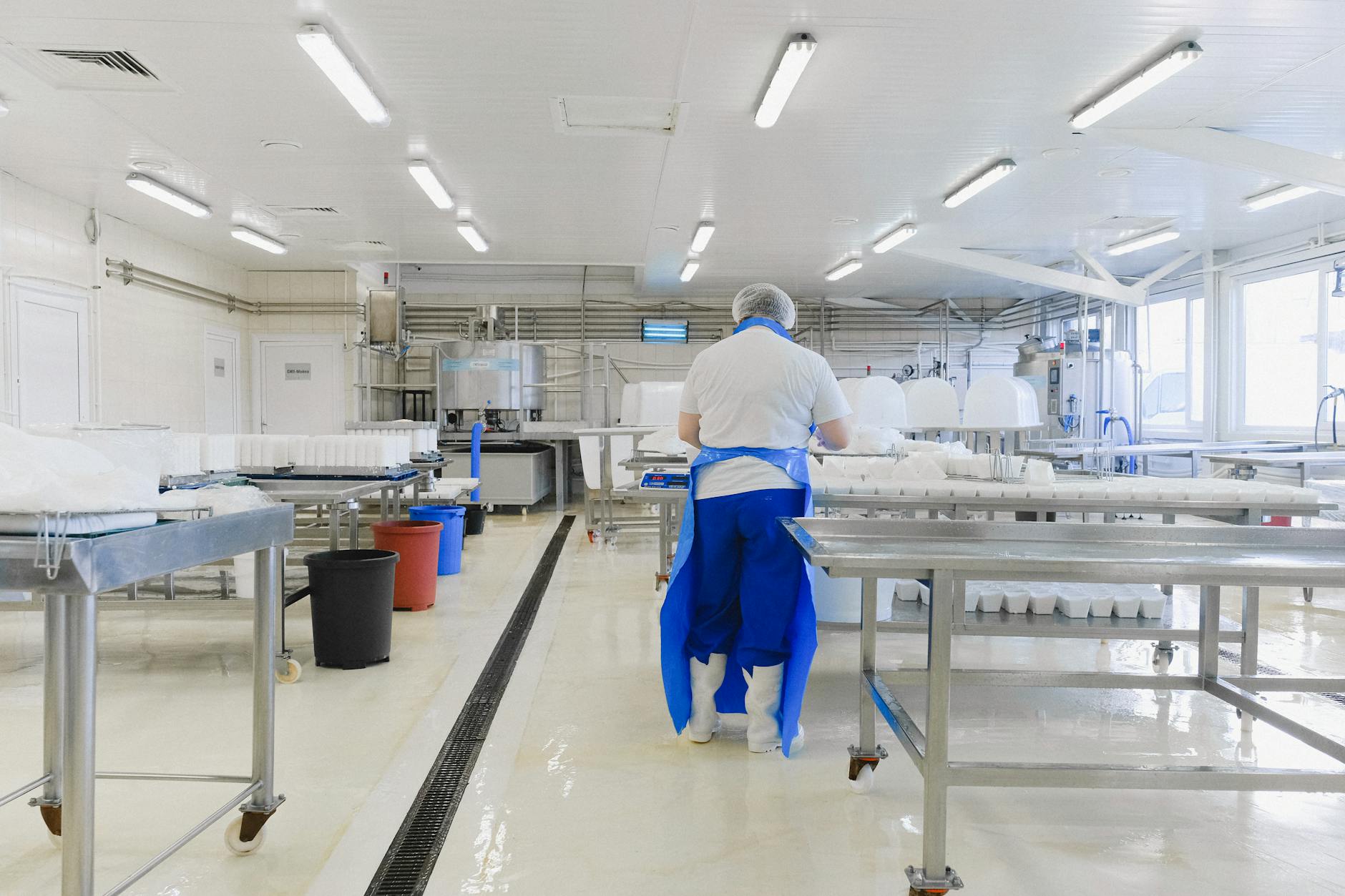
- Confitex Technology wins both INDEX and Hygienix Innovation Awards.
- The award recognizes the world's first washable nonwoven absorbent hygiene products.
- The innovation targets a massive reduction in single-use plastic waste.
- The product is designed to withstand over 50 industrial wash cycles.
- Industry experts estimate the global hygiene market could see a 12% shift toward reusables by 2030.
New Zealand-based Confitex Technology has claimed two of the industry's most prestigious accolades, the INDEX Award and the Hygienix Innovation Award, for its pioneering washable nonwoven absorbent hygiene products. Announced on Tuesday, 15 September 2026, the awards recognize the firm's transition from traditional disposable materials to reusable, high-performance textiles. This shift marks a significant pivot in the multi-billion dollar absorbent hygiene market, which has historically relied on single-use plastics and wood pulp composites.
The INDEX Award, often considered the 'Nobel Prize' of the nonwoven industry, highlights Confitex's ability to engineer fabrics that mimic the absorption rates of traditional disposables while maintaining integrity through dozens of wash cycles. Meanwhile, the Hygienix Innovation Award focuses on the practical application of these materials in consumer healthcare.
Officials said the dual win confirms that the market is ready for a departure from the 'use-and-toss' model that defines current hygiene standards.
Industry analysts noted that the timing of this recognition comes as global regulators tighten mandates on plastic waste.
With the average user of absorbent hygiene products generating approximately 120 kilograms of waste annually, the potential for a washable alternative to disrupt the status quo is immense.
The company's proprietary textile layering technology allows for rapid moisture wicking and containment, a task previously thought impossible for nonwoven fabrics without the use of chemical-heavy barriers.
This development represents a departure from current manufacturing norms, setting a new benchmark for textile engineers globally.
Decoding the Engineering Behind the Washable Textile Breakthrough
At the heart of the Confitex innovation is a complex multi-layered textile structure that defies traditional limitations of nonwoven fabrics.
Unlike standard disposable pads or incontinence products that rely on super-absorbent polymers trapped within wood pulp, the Confitex design utilizes a proprietary synthetic matrix.
This matrix is engineered to pull moisture away from the skin instantly, locking it into a secondary absorbent core while remaining breathable.
Engineers confirmed that the fabric can handle fluid volumes exceeding 200 milliliters without leakage, a standard that rivals high-end disposable medical products.
The durability of the material is another key factor in the awards.
Testing data indicates that the fabric maintains its structural integrity and absorption capacity for over 50 industrial wash cycles.
This is a critical threshold, as it allows the product to be marketed as a viable long-term solution rather than a temporary fix.
For a consumer, this means a drastic reduction in monthly expenditure.
If a disposable product costs roughly ₹15 to ₹20 ($0.18 to $0.24) per unit, the long-term cost of a washable product drops to less than 50 paise per use when amortized over its lifespan.
The environmental impact is equally significant, as the reduction in plastic and non-biodegradable waste is immediate.
Critics of earlier washable technologies often pointed to the bulkiness and slow drying times of cotton-based alternatives.
However, the Confitex nonwoven approach addresses these issues by using hydrophobic fibers that dry 40% faster than traditional cotton blends.
This ensures that users do not face the discomfort associated with dampness or the inconvenience of long drying periods.
The company has invested heavily in the proprietary knitting process that binds these layers, ensuring that the fabric does not lose its shape or functionality after being subjected to high-temperature washing or industrial drying.
Market Dynamics and the Shift Toward Sustainable Hygiene
The global absorbent hygiene market, currently valued at over $150 billion, is at a crossroads.
Consumer demand for sustainable alternatives has been growing at a compound annual rate of 8% over the last five years, according to industry data.
Confitex's success serves as a signal to major manufacturers like Procter & Gamble and Unicharm that the tide is turning.
While these giants have focused on thin, disposable technology, the entry of high-performance reusables creates a new competitive segment.
Market analysts noted that the adoption of these products in emerging economies like India could be transformative.
With India's growing focus on the 'Swachh Bharat' (Clean India) mission and increasing awareness regarding environmental health, the demand for sustainable personal care products is surging in urban centers like Mumbai and Bengaluru.
However, the transition is not without its hurdles.
Supply chain logistics for high-tech textiles differ significantly from the high-volume, low-margin model of disposable manufacturing.
Confitex must now scale its production to meet potential global demand while maintaining the quality standards that earned it these awards.
Sources confirmed that the company is exploring licensing deals with larger textile manufacturers to facilitate faster market penetration.
This strategy would allow Confitex to maintain its focus on R&D while leveraging the distribution networks of established players.
The economics are compelling.
As raw material costs for disposable products—such as petroleum-derived plastics and pulp—continue to rise due to supply chain volatility, the cost-benefit analysis for consumers is shifting.
Retailers are also showing interest, as the high-margin, long-term nature of reusable goods offers a different revenue model compared to the recurring, low-margin sales of disposable packs.
The challenge remains in changing consumer behavior and overcoming the 'yuck factor' associated with reusable hygiene products, an area where Confitex is investing heavily in marketing and consumer education.
Expert Perspectives on the Future of Nonwoven Technology
Industry experts pointed out that the INDEX and Hygienix awards are not just accolades for a product, but a validation of a new manufacturing category.
The nonwoven industry has long been criticized for its reliance on single-use materials that clog landfills and waterways.
By proving that nonwovens can be made durable and washable, Confitex has effectively opened a new frontier for textile science.
One expert noted that the next phase of development will likely involve integrating 'smart' fibers that change color or texture to alert the user when the product needs washing, or even integrating antibacterial properties directly into the fiber weave.
This move towards 'active' textiles is where the industry is heading, and Confitex is currently leading the pack.
The company has already filed for 14 new patents related to fiber-bonding techniques that promise to further enhance the absorption-to-weight ratio.
These advancements are expected to be the focus of the next generation of products, which are slated for release in late 2027.
Government officials in several regions are also looking closely at these developments.
With plastic bans becoming more common in states across India, such as Maharashtra's strict single-use plastic regulations, the demand for sustainable alternatives is being pushed by both market forces and legislative pressure.
The ability of Confitex to produce a product that complies with these emerging green standards makes it an attractive partner for public-private initiatives in waste management.
The consensus among industry observers is that while disposables will not disappear overnight, the market share of reusables is poised to expand significantly.
The success of Confitex provides the necessary proof of concept to attract further venture capital, which will be essential for scaling production to the levels required for mass-market adoption.
Scaling Production and Future Market Implications
As Confitex celebrates its victory, the focus now shifts to the operational challenges of scaling.
The company has confirmed that it is currently in talks with three major textile manufacturers in Southeast Asia to expand its production capacity by 300% by the end of 2027.
This expansion is necessary to bring the cost per unit down to a level that is competitive with mid-range disposable brands.
Experts believe that if the price point can be lowered to within 20% of current disposable costs, the adoption rate will explode.
The company's leadership team has expressed optimism, citing the high level of interest from retailers in Europe and North America.
Meanwhile, in the Indian market, the potential for partnerships with local textile hubs is being evaluated.
Given India's status as a global leader in textile manufacturing, the prospect of localizing production could significantly reduce costs and carbon footprint.
The next 18 months will be critical for the company as it attempts to transition from an award-winning innovator to a household name.
Watchers of the industry will be looking for signs of sustained investment in R&D and the successful rollout of these products into major retail chains.
If Confitex can maintain the performance standards that earned them the INDEX and Hygienix awards while scaling, they could very well redefine the hygiene sector for the next decade.
The company's ability to navigate the tension between high-tech innovation and mass-market affordability will be the ultimate test.
For now, the industry is watching closely, recognizing that the era of disposable hygiene may finally be facing a serious, high-tech challenge from a company that dared to rethink the basics of textile engineering.