Bhutan glacial lake outburst triggers flood alerts in India
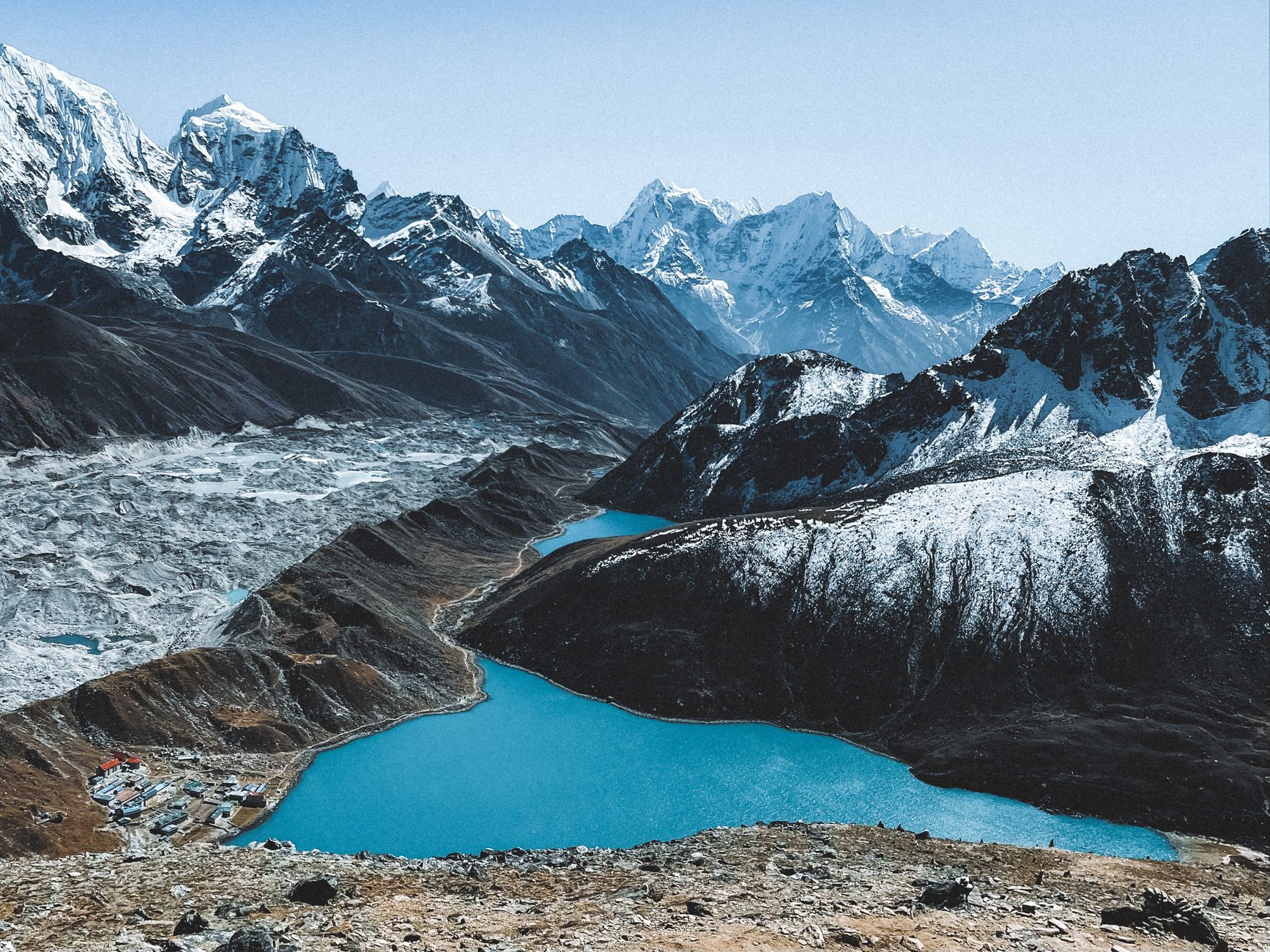
- A glacial lake outburst occurred at Sintaphu lake in Bhutan on Thursday.
- India issued a special advisory for West Bengal and Assam as floodwaters moved toward the border.
- Thousands of residents in North Bengal have been evacuated to relief shelters.
- Assam Chief Minister Himanta Biswa Sarma is monitoring the situation in Dhubri and Kokrajhar.
- No deaths or injuries have been reported in Bhutan following the outburst.
A glacial lake outburst occurred at Sintaphu lake near Wakila mountain in the Gasa district of northern Bhutan on Thursday evening. Around 7.4 million cubic metres of water were discharged by the event, matching the capacity of roughly 3,000 Olympic swimming pools. Outlets including NDTV, The Times of India, and Hindustan Times confirmed the glacial lake outburst in Bhutan.
The incident has triggered flood alerts and evacuations across downstream regions in India.
Flash flood alerts and evacuations in West Bengal and Assam
A special advisory was released by India's water ministry for Assam and West Bengal, cautioning that floodwaters were anticipated to arrive at the border within six to eight hours. Authorities in both states subsequently issued flash flood alerts for districts located along major rivers. Villages in Bengal and Assam have been placed under a flood watch as a result.
North Bengal has been placed on a red alert due to the threat of flooding. Thousands of people have been evacuated in North Bengal to ensure safety in vulnerable areas. The flash flood alert specifically covers North Bengal and Assam, according to The Federal.
Mass evacuations in North Bengal districts
West Bengal Water Resources Minister Nisith Pramanik ordered residents living near tea gardens and riverbeds to evacuate immediately. Reuters reported that the districts of Cooch Behar, Tufanganj, and Busirhat along the Sankosh river are on high alert.
More than 10,000 people have been evacuated in the Alipurduar district, with local schools repurposed as relief shelters.
Forest Minister Manoj Kumar Oraon warned in a Facebook video that the water surge could reach Kumargram within one to one and a half hours. Officials also issued warnings for residents in Kumargram, Chengmari, Pakriguri, Bholka, and various forest settlements and low-lying areas of the Dooars.
Assam authorities monitor Brahmaputra and Sankosh river regions
Assam Chief Minister Himanta Biswa Sarma is monitoring the impact of the flood in the Dhubri and Kokrajhar districts. Settlements along the Brahmaputra river in Assam have been asked to remain alert.
Chief Minister Sarma stated on social media that authorities are monitoring vulnerable revenue circles in Dhubri and Kokrajhar. He further mentioned that state units are working in collaboration with the National Disaster Response Force and additional agencies.
The Chief Minister urged citizens to remain vigilant, adhere to official bulletins, and assist local authorities. On Friday, former MLA Jiron Basumatary and Kokrajhar District Commissioner Pankaj Chakravarty toured locations by the Sankosh River to evaluate the conditions.
District Commissioner Pankaj Chakravarty reported that vulnerable areas in Assam remain safe. While water levels rose slightly, no flooding or waterlogging has occurred.
Water levels and infrastructure damage in Bhutan and India
The Union water resources department reported on Thursday night that floodwater from the outburst was expected to reach the Bhutan-India border within six to eight hours. As of Friday morning, the flow of water had eased slightly, though a red alert remains in effect along the Sankosh River.
In Bhutan, the flood caused infrastructure damage, including the destruction of the Gasa Tshachu hot spring complex and damage to the Punakha-Gasa highway. No deaths or injuries were reported in Bhutan as of Friday morning.
Sintaphu lake as the source of the Sankosh River
Shintaphu Lake is one of 17 potentially dangerous glacial lakes in Bhutan. This serves as the origin of the Mo Chhu River, which travels into the Punatsangchhu before crossing into India as the Sankosh River.
Rising risks of Himalayan glacial lake outbursts
Glacial lake outburst floods are caused by the sudden breach of lakes fed by glacial melt. Rising temperatures are causing both the quantity and dimensions of glacial lakes throughout the Himalayas to grow.
In Sikkim, there are nearly 700 glacial lakes, 21 of which are identified as "potentially dangerous with a high outburst probability". Since 1990, the count of glacial lakes in Himachal Pradesh has surged by over 500%.
A flash flood caused by a glacial lake outburst on the Nepal-China border in August led to nearly 1,500 fatalities, more than 9,200 injuries, and 5,000 individuals reported missing.
Frequently Asked Questions
- Flood alerts, evacuations in Bengal, Assam after Bhutan glacial lake outburst (scroll.in)
- Vulnerable Areas In Assam Safe: Official On Bhutan Glacial Lake Outburst (ndtv.com)
- Thousands evacuated and cross-border alerts issued after glacial lake outburst in Bhutan (independent.co.uk)
- Bengal (Wikipedia — background) (en.wikipedia.org)
Add NewsPulse Time as a preferred source on Google