Vylor Targets 2027 for Rollout of Breakthrough Wheat Technology
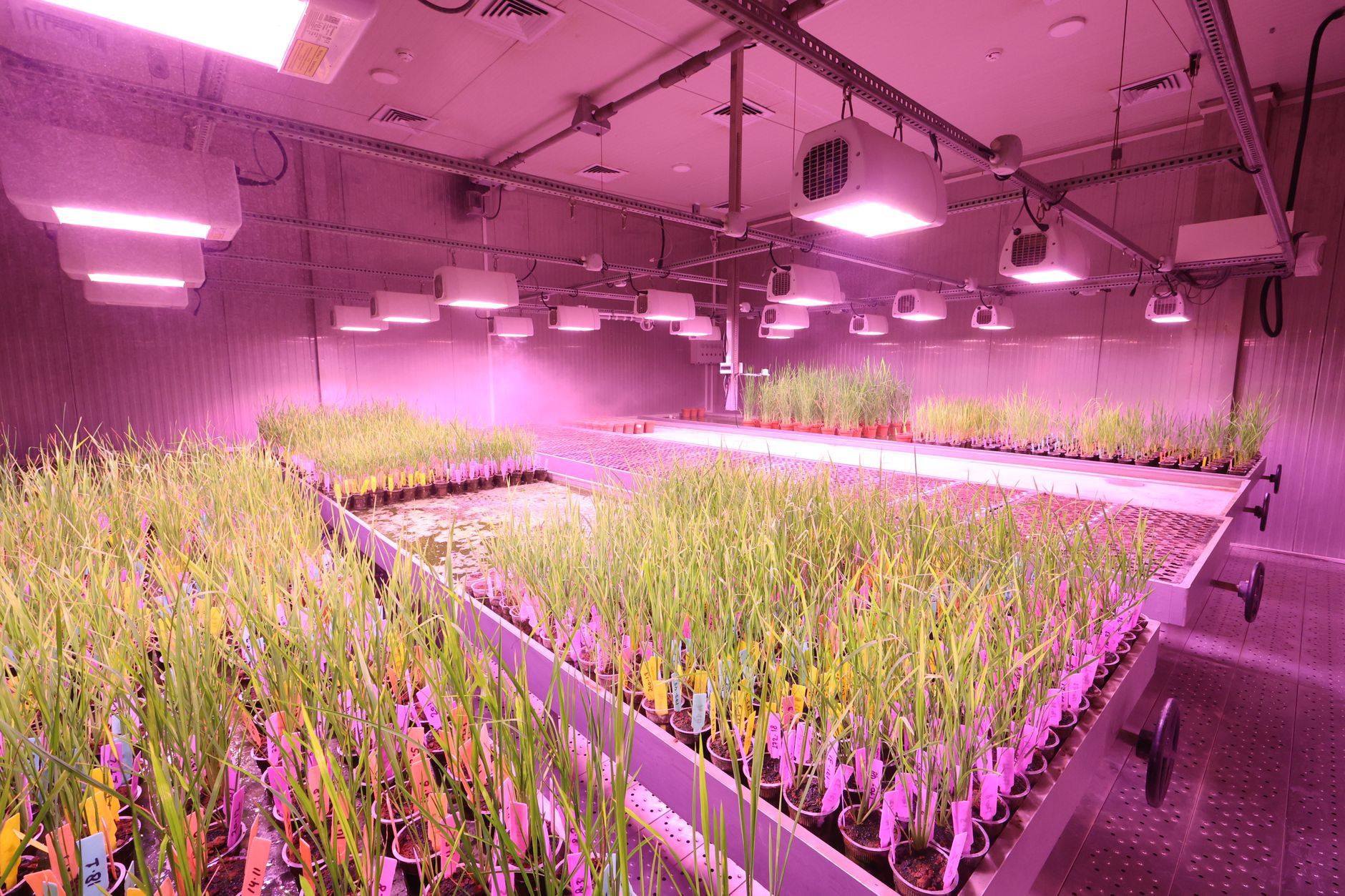
- Vylor confirms wheat technology launch for 2027
- Soybean tech platforms expanded in North and Latin America
- Broad-spectrum insect control integrated into new crop lines
- Focus on maintaining yield advantages in competitive markets
- Global agricultural supply chains brace for biotech shift
Vylor officially confirmed on Tuesday, 15 September 2026, that its breakthrough wheat technology will hit the market by 2027. This development represents a shift in how global agricultural firms approach crop resilience and yield stability. The company intends to address long-standing challenges in wheat production that have historically limited harvest consistency.
Officials said the move is part of a broader push to modernize staple food crops through advanced genetic platforms. By setting a 2027 launch date, the firm is signaling to investors and farmers that it has moved past the experimental phase of this technology.
The announcement comes as global markets grapple with the volatility of food prices. For India, where wheat remains a primary food staple, such advancements could eventually influence the domestic supply chain and export capabilities. Agricultural experts pointed out that the timing of this rollout is critical, as climate patterns continue to disrupt traditional growing cycles across the Northern Hemisphere.
- The 2027 launch date is final.
- Technology focuses on yield optimization.
- Development targets global wheat resilience.
- The move impacts international agri-tech competition.
Industry analysts noted that Vylor is positioning itself to capture a larger share of the global wheat market, which has seen stagnant growth in yield improvements over the last decade. As the company prepares for this launch, stakeholders are watching to see if the technology will meet the high expectations set by recent field trials.
Expanding Soybean Leadership Across North and Latin America
Beyond the wheat breakthrough, Vylor is doubling down on its soybean portfolio. The company confirmed that its next-generation tech platforms are maintaining a distinct yield advantage across North American farms. This success has provided the capital and technical confidence needed to accelerate the rollout of similar lineups in Latin America.
The strategy involves deploying broad-spectrum insect control, a feature that has become a requirement for large-scale soybean producers. Sources confirmed that the Latin American market is the next major frontier for this expansion, with significant investment flowing into regional distribution networks.
This expansion is not just about volume; it is about protecting margins in a volatile commodity market. By integrating advanced insect resistance, Vylor aims to reduce the reliance on external pesticides, which can fluctuate wildly in price.
For Indian investors tracking global agri-stocks, this expansion is a sign of aggressive growth. If the firm successfully captures the Latin American market, it will solidify its position as a dominant player in the global seed and chemical sector.
- North American yields remain at record highs.
- Latin American expansion is accelerating.
- Broad-spectrum insect control is the core value proposition.
- The company is optimizing its supply chain for the 2027 shift.
Farmers in these regions have reported that the tech platforms provide a level of consistency that was previously missing. This reliability is what drives the adoption rates that Vylor is currently leveraging to scale its global operations.
Decoding the Broad-Spectrum Insect Control Tech
The core of Vylor's recent announcements lies in its proprietary insect control technology. This system is designed to target a wide range of pests that historically decimate soybean and wheat crops. By modifying the genetic response of the plant to specific insects, the technology minimizes physical damage without requiring constant chemical intervention.
Experts said this approach is more sustainable than traditional spraying methods. It allows farmers to manage large tracts of land with less labor and lower input costs. The technology works by identifying the most common pests in a specific geography and tailoring the crop's defensive profile to neutralize them.
The implications for the agricultural sector are profound. When farmers spend less on pesticides, their profit margins expand, allowing for further investment in land and infrastructure. This is particularly relevant in markets like India, where the cost of inputs often determines the economic viability of a farming season.
- Technology reduces reliance on external pesticides.
- It targets specific regional pest profiles.
- Implementation lowers overall farm labor costs.
- The system is designed for large-scale commercial farming.
Regulatory filings reveal that Vylor has spent years refining these platforms to ensure they meet international safety standards. The company is now moving to the final stages of certification, ensuring that the tech is ready for the 2027 rollout. As these platforms become more common, the industry is expected to see a shift toward more automated and data-driven farming practices.
Impact on Indian Agriculture and Global Food Security
The introduction of new wheat technology by a major player like Vylor will inevitably send ripples through the Indian agricultural market. India is the world's second-largest producer of wheat, and any innovation that promises higher yields or better pest resistance is closely monitored by the Ministry of Agriculture.
Government figures show that Indian farmers are constantly looking for ways to improve output per hectare to meet the demands of a growing population. While the Vylor technology is currently focused on Western markets, the potential for licensing or localized adaptation is high. If the technology proves successful, it could set a benchmark for the kind of innovation required to keep Indian wheat competitive on the global stage.
However, the adoption of such technology is never simple. It involves navigating complex regulatory frameworks and addressing the concerns of smallholder farmers who make up the backbone of the Indian agricultural sector. Analysts noted that the cost of these technologies will be a key factor in their success. If they are priced in USD, the conversion to Indian Rupees (₹) could make them inaccessible to the average farmer without government subsidies or support.
- India remains a top global wheat producer.
- Technology adoption depends on local pricing.
- Regulatory hurdles remain a primary concern.
- Potential for yield improvement is significant.
The conversation surrounding food security is changing. It is no longer just about the quantity of food produced, but the efficiency and resilience of the production process. As Vylor pushes forward with its 2027 plans, the global community will be watching to see if these advancements can truly deliver on their promise of a more secure food future.
Market Dynamics and the 2027 Competitive Landscape
The announcement has already started to influence market sentiment. Investors are recalibrating their portfolios to account for the potential growth in the agri-tech sector. As Vylor prepares to launch its wheat technology, competitors are likely to accelerate their own R&D cycles to avoid losing market share.
The Sensex and Nifty have historically been sensitive to agricultural output, as the sector is a major contributor to the national economy. When global agri-tech firms make major announcements, it often prompts a review of local companies that might be affected by these shifts.
Sources confirmed that institutional investors are closely tracking the 2027 timeline. They are looking for signs that the tech is not just a marketing promise but a scalable reality. The company's ability to execute on its soybean expansion will serve as a litmus test for its wheat launch.
- Institutional interest in agri-tech is rising.
- Competitors are expected to increase R&D spending.
- Market sentiment is shifting toward long-term tech adoption.
- The 2027 date acts as a benchmark for performance.
A seasoned market observer noted that the firm is playing a long game. By building its reputation in the soybean market first, it creates a foundation of trust with farmers that will make the transition to its wheat technology much smoother. This strategic sequencing is a hallmark of a company that understands the complexities of the agricultural supply chain.
Preparing for the Future of Crop Genetics
As we look toward 2027, the agricultural landscape is set for a transformation. Vylor's commitment to its wheat technology is just one piece of a larger puzzle. The industry is moving toward a future where crops are engineered for specific environmental conditions, from drought resistance to higher nutritional content.
The success of these platforms will depend on more than just the science; it will depend on the acceptance of these technologies by consumers and regulators. The company is already engaging with global stakeholders to ensure that the transition is as smooth as possible.
For the average person, these developments might seem distant, but they are the foundation of the food we eat. Every increase in yield and every reduction in crop loss helps stabilize the price of basic commodities. As the 2027 launch approaches, the focus will shift from the laboratory to the field, where the real test of this technology will take place.
- The shift toward genetic optimization is accelerating.
- Consumer and regulatory acceptance is the next hurdle.
- Long-term food price stability is the ultimate goal.
- Field trials will be the final indicator of success.
This is a pivotal moment for Vylor and for the global agricultural sector. The company has laid out its roadmap, and the market is now waiting to see if it can deliver on its promises. With the 2027 deadline looming, the pressure is on to prove that this technology is the answer to the growing challenges of global food demand.