Two Contractors Killed in Accident at Norfolk International Terminals
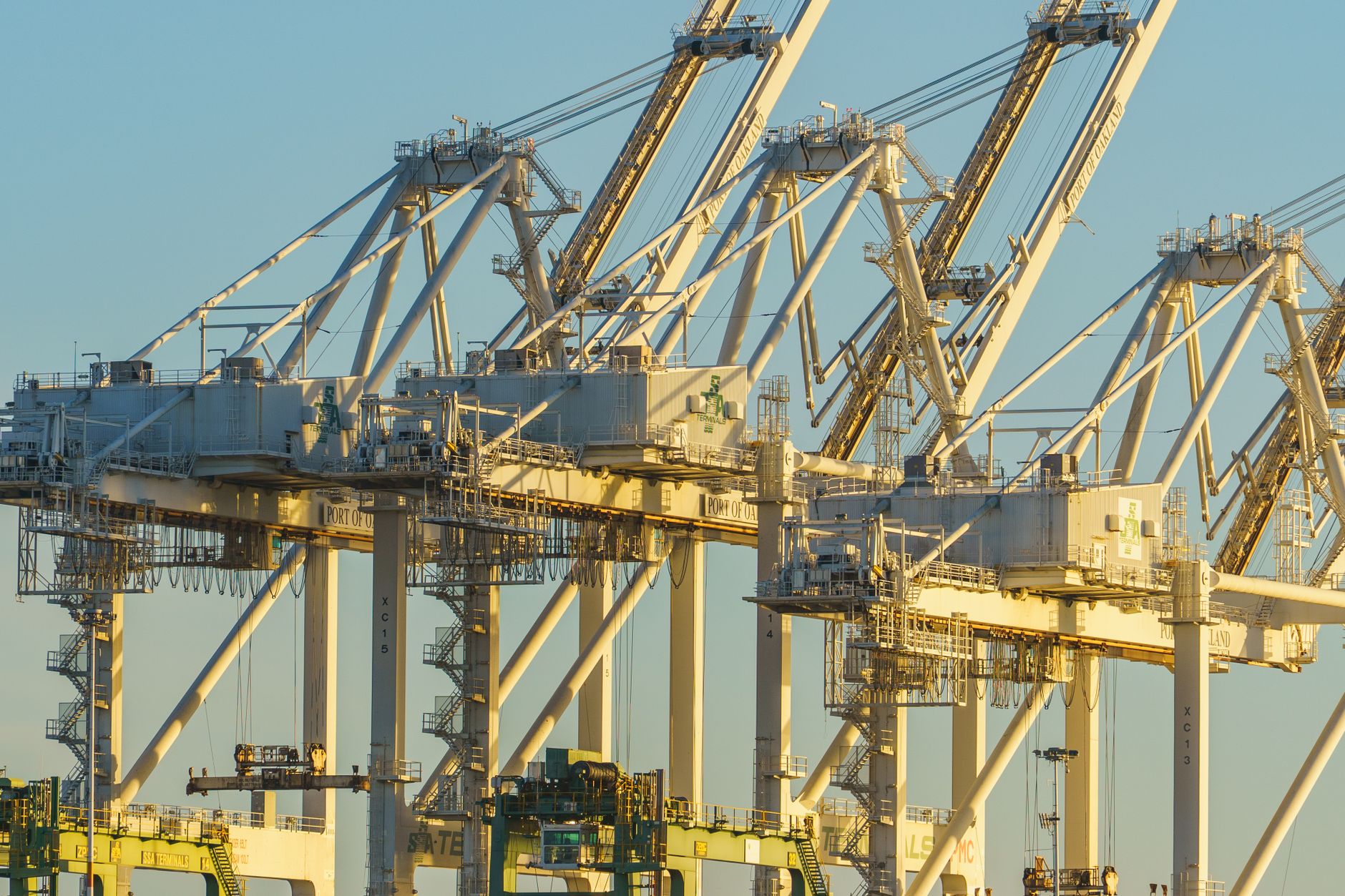
- Two contractors confirmed dead at Norfolk International Terminals
- Incident occurred Friday, September 25, 2026
- Port of Virginia officials launched immediate investigation
- Facility remains a major hub for US East Coast maritime trade
- Safety protocols for third-party contractors under review
Two contractors died Friday in a workplace accident at the Norfolk International Terminals, port officials said. The incident occurred as crews conducted routine operations at the massive maritime facility in Norfolk, Virginia. Emergency responders arrived at the scene shortly after the accident was reported, but both individuals were pronounced dead at the site. The Port of Virginia confirmed the fatalities late Friday night, stating that they are cooperating fully with authorities. The identities of the two contractors have not been released, pending notification of their families. • The incident occurred on Friday, September 25, 2026. • Two individuals were confirmed dead at the scene. • Port of Virginia operations were temporarily impacted by the investigation. The facility serves as one of the busiest container terminals on the United States East Coast, processing over 3 million TEUs (Twenty-foot Equivalent Units) of cargo annually. The sudden loss of life has sent shockwaves through the local maritime community, which relies heavily on the terminal for regional economic stability. Officials said that the investigation into the specific cause of the accident is ongoing. They did not provide further details on the nature of the work the contractors were performing at the time of the tragedy. The Port of Virginia remains a critical link in the global supply chain. Its terminals handle everything from consumer goods to heavy industrial machinery. When an accident occurs in such a high-stakes environment, the repercussions are felt far beyond the terminal gates. The focus now shifts to determining exactly what went wrong during the shift.
Port of Virginia Operations Under Scrutiny
The Norfolk International Terminals facility is a sprawling complex of container cranes, massive transport vehicles, and heavy-duty machinery. Operating this equipment requires strict adherence to safety protocols. Port officials said that the safety of all personnel, including third-party contractors, remains their primary objective. However, the presence of outside contractors often complicates the safety landscape. These workers frequently handle specialized tasks that regular port employees may not perform. • The Port of Virginia manages 6 major terminals across the Hampton Roads region. • Over 5,000 workers, including longshoremen and contractors, pass through these gates daily. • Safety records at major US ports are subject to rigorous federal oversight. Experts noted that the complexity of modern port operations creates a high-risk environment. Cranes move massive steel containers over the heads of workers, while autonomous guided vehicles navigate the yard. Any deviation from established safety procedures can lead to catastrophic results. The Port of Virginia has historically maintained a focus on modernizing its safety tech, but this event raises questions about whether current measures are sufficient for the diverse workforce present on any given day. The terminal serves as a primary gateway for international trade. Disruptions here can ripple through the US economy, affecting shipping schedules and supply chains. While the port continues to function, the atmosphere on the docks is reportedly somber. Workers are processing the loss of their colleagues while trying to maintain the pace of operations required by the global market. The transition from a routine work day to a site of a fatal emergency serves as a stark reminder of the dangers inherent in industrial labor.
Regulatory Oversight and Federal Safety Standards
The Occupational Safety and Health Administration (OSHA) sets the standards for workplace safety in the United States. Following any fatal accident at an industrial site, federal inspectors typically initiate a review to determine if safety regulations were violated. Officials said that the Port of Virginia is working with all relevant regulatory bodies to ensure a transparent investigation. The process involves examining equipment logs, maintenance records, and witness statements. • OSHA investigations can take several months to complete. • Findings often lead to mandatory safety training or equipment upgrades. • Employers are responsible for ensuring that all contractors are properly trained for the specific hazards of the site. Experts pointed out that the responsibility for safety is shared between the port authority and the contracting companies. When a third-party firm is hired to perform work, they must adhere to the host site's safety rules while also following their own internal policies. This dual layer of responsibility can sometimes lead to gaps in communication. The investigation will likely focus on whether there was a failure in the communication chain or a mechanical failure that could not have been anticipated. Federal inspectors will look at whether the equipment involved in the accident had been serviced according to the manufacturer's schedule. They will also review the training logs for the contractors involved. If inspectors find that safety protocols were ignored, the port or the contracting firm could face significant fines. The goal of these investigations is to prevent future occurrences by identifying the root cause of the failure. For now, the focus is on the immediate aftermath and the support needed for those affected by the loss.
The High-Stakes Environment of Maritime Logistics
Maritime logistics is a high-pressure industry. The constant demand for faster turnaround times for cargo ships puts immense pressure on port workers. When a ship docks at Norfolk International Terminals, the clock starts immediately. Cranes must unload containers, trucks must be loaded, and rail cars must be prepared for departure. This environment is inherently dangerous. • The weight of a standard shipping container can exceed 60,000 pounds. • Heavy machinery, including straddle carriers and reach stackers, operates in close proximity to human workers. • The facility maintains 24/7 operations to meet global shipping demands, often requiring 12-hour shifts. The industry has moved toward automation to reduce human error, but this transition introduces new risks. As terminals become more automated, the interaction between humans and machines becomes more complex. Contractors are often brought in to manage the installation and maintenance of these new systems, placing them in areas of the terminal that are constantly active. The challenge for port operators is to maintain the efficiency of the supply chain without compromising the safety of the individuals who keep it moving. The loss of two contractors highlights the human cost of the goods that move through our ports every day. While the public rarely sees the work happening behind the terminal gates, the people who work there face significant risks to ensure that the economy keeps functioning. The industry must continue to prioritize safety over speed, even when the pressure to perform is at its highest.
Community Impact and the Path Toward Accountability
The Norfolk community is reeling from the news of the fatal accident. When workers die on the job, the impact is felt by their families, their coworkers, and the broader maritime industry. Port of Virginia leadership has expressed their condolences to the families of the deceased. They have pledged to provide whatever support is necessary during this difficult time. Sources confirmed that counseling services have been made available to employees who witnessed the incident or were working in the area at the time. • Workplace fatalities have a profound effect on morale and productivity. • Transparency in the investigation process is essential for maintaining trust. • Industry leaders are calling for a renewed focus on safety culture in the maritime sector. The path toward accountability involves a thorough review of what happened on that Friday afternoon. It is not just about identifying who was at fault, but about understanding the systemic issues that allowed the accident to occur. If the investigation reveals that equipment failure was a factor, the port will need to address its maintenance schedules. If it was a procedural failure, new training protocols may be required. The goal is to ensure that such a tragedy does not happen again. For the families of the two contractors, the investigation will likely be a long and painful process. They are waiting for answers about how their loved ones died and whether the accident could have been prevented. The Port of Virginia has a responsibility to provide those answers and to ensure that the workplace is as safe as possible for everyone who enters the terminal. The community will be watching closely as the investigation unfolds, hoping for a clear explanation and a commitment to change.
Future Safety Protocols at Virginia Port Authority
As the investigation into the Norfolk International Terminals accident continues, the Port of Virginia is expected to implement new safety measures. These could include stricter oversight of third-party contractors, enhanced training requirements, and more frequent inspections of heavy machinery. The goal is to create a safety-first culture that permeates every level of the organization, from the executive office to the terminal floor. The port authority has a long history of adapting to the changing needs of the maritime industry. • Safety culture is built on consistent communication and accountability. • Technological advancements in safety monitoring could play a role in future operations. • Regular safety audits are a standard practice in high-risk industries. The future of the Port of Virginia depends on its ability to operate safely and efficiently. If the public and the industry lose confidence in the port's ability to protect its workers, the economic consequences could be severe. By taking a proactive approach to safety, the port can demonstrate its commitment to its workforce and its role as a leader in the maritime sector. The lessons learned from this tragedy will be integrated into the port's safety manuals and training programs. The focus remains on the two individuals who lost their lives. Their deaths are a reminder of the fragility of life and the importance of every safety precaution. As the port moves forward, the memory of this accident will likely serve as a catalyst for improvements in safety standards. The maritime industry as a whole will be watching to see how the Port of Virginia responds to this challenge. The ultimate measure of success will be the ability to ensure that every worker returns home safely at the end of their shift. The investigation is just the first step in a much longer process of healing and improvement.