Five Voters Move Supreme Court to Restore Names Before WB Civic Polls
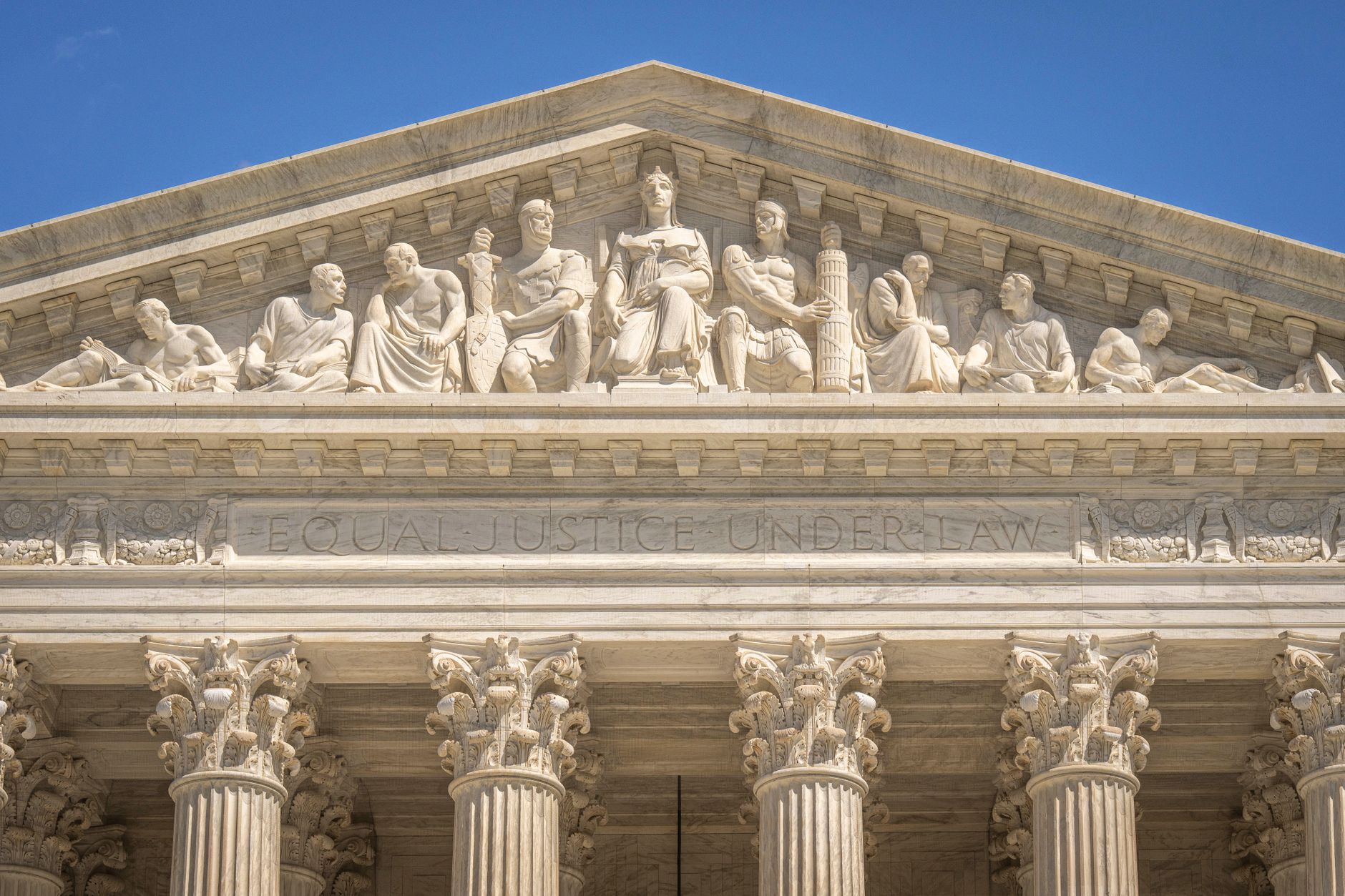
- Five voters moved the Supreme Court to expedite pending electoral roll appeals.
- The petition follows deletions during the Special Intensive Revision (SIR) in West Bengal.
- Over 1.7 lakh appeals are currently pending before Tribunals in Kolkata and Howrah.
- Municipal elections are tentatively scheduled for late November 2026.
- Petitioners claim they were excluded without notice or reasoned orders.
Five voters, whose names were struck from West Bengal's electoral rolls following a Special Intensive Revision (SIR), moved the Supreme Court on Thursday, October 8, 2026, seeking the immediate disposal of their pending appeals. With municipal elections in Kolkata and Howrah tentatively set for late November, these citizens face the prospect of being unable to cast their ballots. The application, filed in the ongoing proceedings related to the West Bengal SIR, underscores a broader crisis of administrative uncertainty.
Advocate Prashant Bhushan, representing the applicants, told the bench that the exclusion of these voters occurred without adequate notice or a reasoned, speaking order. For these individuals, the removal of their names was not just an administrative error; it was a denial of their fundamental right to participate in the democratic process. The petitioners argue that the current pace of adjudication by the Appellate Tribunals is insufficient to meet the looming election deadline.
- There are currently over 1.7 lakh appeals pending before the Tribunals in Kolkata and Howrah.
- The municipal elections in these cities are scheduled for late November 2026.
- Petitioners claim they were summoned for hearings regarding 'logical discrepancies' but received no final, reasoned decisions.
The urgency of the matter stems from the fact that the Election Commission of India's post-SIR re-enrolment exercise does not cover cases currently under adjudication. This leaves a significant portion of the electorate in a state of limbo, waiting for a legal resolution that may not arrive before the polling booths open.
The 1.7 Lakh Pending Appeals Stalling Voter Participation
The scale of the problem is substantial, with government figures indicating that more than 1.7 lakh appeals remain pending across the Kolkata and Howrah districts. This backlog has become a flashpoint for political and civil society groups who argue that the administrative machinery is failing the electorate. Sources familiar with the legal proceedings confirmed that the sheer volume of cases is overwhelming the current tribunal infrastructure.
Many of these voters were flagged during the recent SIR process for alleged 'logical discrepancies' in their data. While the Election Commission of India (ECI) maintains that these revisions are necessary to maintain the integrity of the electoral roll, affected individuals report a different experience. Witnesses said they attended hearings early in 2026 only to find their status marked as 'under adjudication' with no further clarity.
The lack of a clear path to resolution is creating anxiety among the local population. Experts pointed out that the right to vote is a cornerstone of the democratic system, and any administrative hurdle that prevents a citizen from exercising this right without a fair hearing is a cause for concern. The legal challenge in the Supreme Court is intended to force the state and the ECI to prioritize these cases before the electoral process enters its final phase.
The apprehension expressed by the petitioners is not unique. Throughout the state, various groups have raised similar concerns about the transparency of the deletion process. The petitioners highlighted that without a court-mandated timeline, the backlog could easily stretch past the November election dates, effectively disenfranchising thousands of voters who have no other recourse.
How Logical Discrepancies Triggered Mass Deletions
The controversy centers on the Special Intensive Revision (SIR) process, an exercise designed to update and refine the electoral rolls. According to official data, the process involved cross-referencing voter data to identify errors, duplicates, or outdated information. However, the implementation of this system has faced significant criticism from those whose names were removed.
Applicants submitted that they were issued notices and summoned for hearings based on what authorities termed 'logical discrepancies.' These discrepancies often relate to address mismatches, age verification issues, or potential duplicate entries. Yet, the petitioners noted that the process often lacked the human element required to resolve simple errors. Instead of correcting the data, the system triggered an automatic flag that led to the removal of their names.
One petitioner told reporters that they had provided all necessary documentation during the earlier hearings, only to be told that the file was stuck in an administrative loop. This lack of a 'reasoned order' is a key point of contention. Without a written explanation for why a name was deleted, a voter has little standing to appeal the decision effectively.
The systemic nature of these deletions suggests that the issue is not limited to a few isolated incidents. Rather, it points to a wider disconnect between the digital systems used for roll maintenance and the ground reality of the electoral population. As the November municipal elections approach, the pressure on the ECI to rectify these errors is mounting. The Supreme Court's intervention is seen as the final hope for those caught in this administrative maze.
The Legal Argument Before the Supreme Court Bench
In their filing, the petitioners have laid out a clear argument: the state's failure to provide a timely and reasoned decision on their appeals is a violation of their electoral rights. Advocate Bhushan argued that the judicial officers presiding over these tribunals must be directed to fast-track the disposal of the 1.7 lakh pending cases. The legal team is not just asking for a hearing, but for a process that ensures justice is served before the voters are locked out of the upcoming civic polls.
The petitioners highlighted that the ECI's own re-enrolment exercise is insufficient because it excludes anyone whose case is currently under adjudication. This creates a 'catch-22' situation where a voter cannot re-enrol because their appeal is pending, but their appeal is not being decided fast enough to allow them to vote.
Legal observers noted that the Supreme Court has historically taken a firm stance on the importance of voter participation. By bringing this case to the apex court, the applicants are seeking to establish a precedent that prevents administrative backlogs from becoming a tool for disenfranchisement. The government, meanwhile, has been tasked with responding to these claims.
While the state has often defended the SIR process as a technical necessity, the legal challenge forces a confrontation with the human impact of these technical decisions. The Supreme Court's decision on this application will likely set the tone for how the remaining weeks before the municipal elections are managed. If the court orders an expedited process, it could trigger a massive administrative effort to clear the backlog in record time.
Why November Municipal Elections Carry High Stakes
The municipal elections in Kolkata and Howrah are not just local administrative contests; they are viewed as critical barometers of the political mood in West Bengal. The civic bodies in these cities manage essential services, from infrastructure development to waste management, impacting the daily lives of millions of residents. The exclusion of thousands of voters from these rolls has sparked fears that the outcome of these elections could be skewed if a significant portion of the electorate is unable to participate.
Local political analysts noted that in a closely contested election, every vote counts. If a large block of voters—those whose names were deleted during the SIR—is prevented from voting, it could alter the balance of power in several wards. This is why the issue has moved from a quiet administrative grievance to a high-profile legal battle.
Residents in these cities are closely watching the proceedings. For many, the municipal corporation is the most direct point of contact with the government. The ability to vote in these elections is seen as the primary way for citizens to hold their local representatives accountable. As the November date draws near, the uncertainty surrounding the electoral rolls has become a major talking point in local community meetings and political debates.
The petitioners' plea to the Supreme Court is, in essence, a demand for accountability. They are asking for the system to recognize that their right to vote is not a privilege to be granted or taken away by a flawed administrative process, but a fundamental right that must be protected. The outcome of this case will be a significant factor in the credibility of the upcoming municipal polls.
Looking Beyond the Courtroom: The Future of Electoral Integrity
As the Supreme Court considers the plea, the broader question of electoral integrity remains at the forefront of the discussion. The case of the five voters is a microcosm of the challenges faced by the Election Commission in modernizing the electoral roll. While digitization and data-driven revisions aim to improve efficiency, they also risk leaving behind those who cannot navigate the complex, often opaque, bureaucratic channels of appeal.
Government officials stated that they are working to address the backlog, but emphasized the need for accuracy in the rolls to prevent electoral fraud. However, the petitioners argue that the current approach prioritizes speed and technical 'accuracy' over the inclusion of eligible voters. The tension between these two goals—clean rolls and maximum participation—is likely to persist long after the November elections are concluded.
The next few weeks will be crucial. If the Supreme Court orders an expedited review, the administrative burden on the Tribunals will be immense. It will require a coordinated effort to verify the claims of over 1.7 lakh applicants in a very short timeframe. Whether or not this is achievable remains a subject of debate among experts.
Regardless of the immediate outcome, the case has highlighted the need for a more transparent and accessible system for electoral roll management. For the five voters who approached the Supreme Court, the immediate goal is simple: to have their names on the list when they head to the polling booth in November. Their struggle is a reminder that behind every statistic and every administrative backlog, there is a citizen seeking to have their voice heard in the democratic process.