Gen Alpha Students Launch Sit-ins Demanding School Repairs
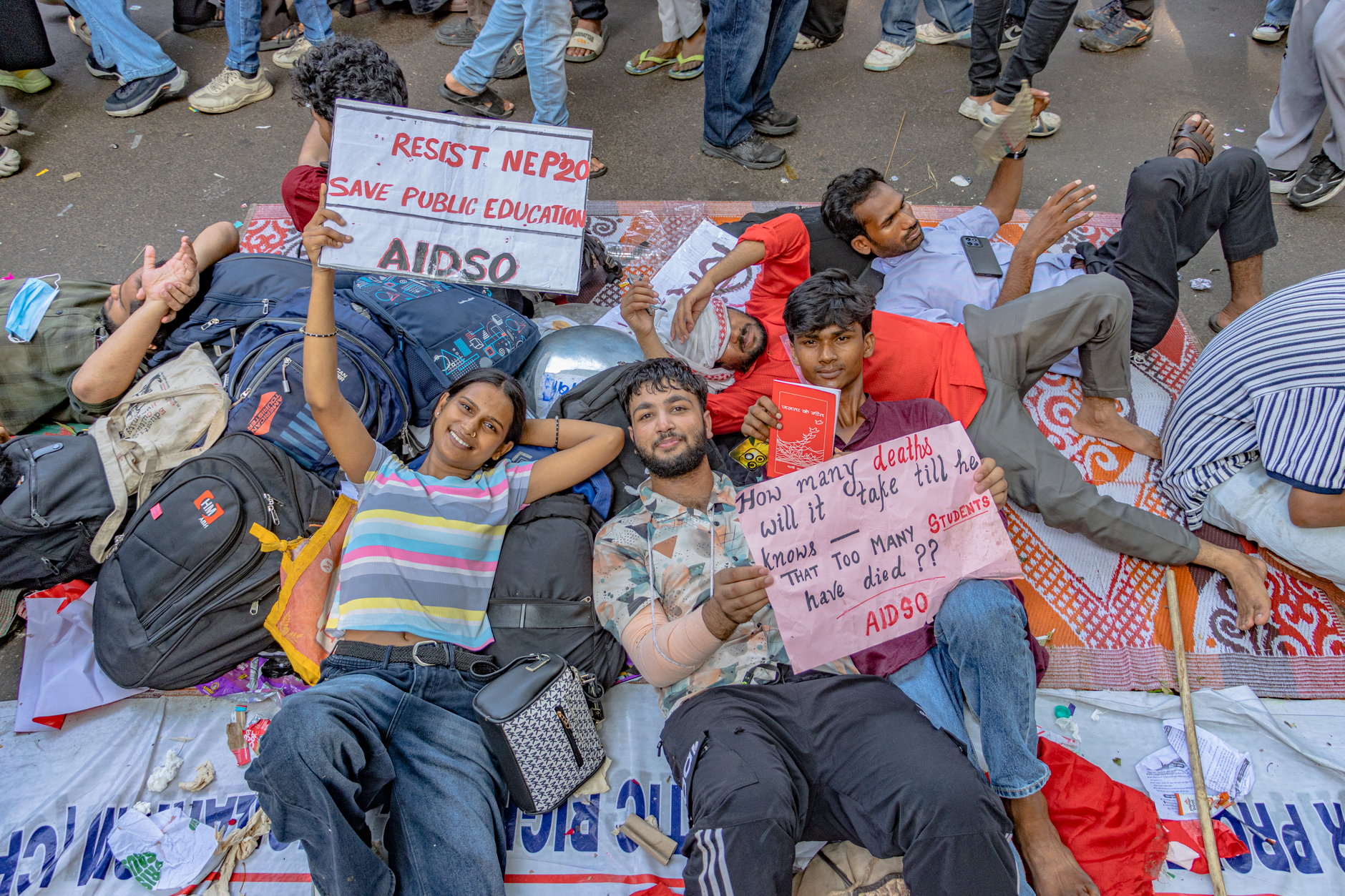
- Students aged 16 and younger are staging sit-ins across northern India.
- Protests were inspired by Gen Z demonstrations that led to an education minister's resignation.
- Seven children died last year due to building collapses in public schools.
- Student groups are demanding immediate structural audits and safety funding.
- The movement coincides with broader civil unrest in Delhi and international student activism.
Sixteen-year-old Tannu Sharma sat on the cracked concrete floor of her school courtyard this morning, refusing to enter a classroom she deemed a death trap. She was joined by dozens of other students, all aged 16 and under, holding handmade signs that demanded immediate structural inspections of their aging school building. The protest, which began at dawn, is part of a growing wave of dissent among Gen Alpha students across northern India. These students are no longer waiting for their parents or teachers to advocate for them. They are taking matters into their own hands, citing the persistent fear of structural failure that has haunted their daily education. The atmosphere at the school gates was tense, with local parents watching from the sidelines as police observed the gathering from a distance. According to students, the walls of the main building have shown deep fissures for months, and the ceiling in the library has already partially caved in. Officials said they were aware of the complaints, but students argue that bureaucratic delays have left them in a state of perpetual danger. The urgency of the situation is clear to anyone who walks through these corridors. It is not just about books and exams anymore; it is about basic survival in a system that many feel has abandoned them.
Gen Z Success Fuels New Wave of Student Activism
The spark for this movement can be traced back to the massive Gen Z protests that roiled the country earlier this summer. Those demonstrations, focused on university exam integrity and broader education policies, ended with the resignation of the education minister after 3 weeks of sustained public pressure. For Gen Alpha, watching their older siblings and cousins achieve a tangible political victory was a turning point. They realized that their voices could carry weight, provided they organized effectively and remained visible. Sources confirmed that student leaders have been using encrypted messaging apps to coordinate their sit-ins across 5 major districts. This tactical shift mirrors the organizational success seen during the summer, where students successfully mobilized thousands to the streets. The influence of those events is undeniable, as younger students now adopt the same slogans and protest methods. They are not just asking for better facilities; they are demanding accountability from the top down. The success of the summer protests proved that the government is susceptible to public scrutiny when it comes to the education sector. This realization has empowered a generation that was previously seen as too young to participate in political discourse. The shift in mindset is profound, moving from passive acceptance to active, organized defiance against systemic neglect.
Infrastructure Crisis: The Reality of India's Public Schools
The condition of India's public school infrastructure has been a point of contention for years, but recent data has brought the issue to a boiling point. Last year alone, 7 children lost their lives in incidents involving building collapses across various states. These tragic events have left a lasting scar on the student population, creating a climate of anxiety that permeates the classroom experience. • According to government figures, over 15% of primary schools in the northern region require urgent structural repairs. • Experts pointed out that many of these buildings were constructed over 4 decades ago with little maintenance since. • Official data shows that only 40% of schools in the affected districts have received a safety audit in the last 3 years. The disparity between urban and rural schools remains stark, with rural institutions often lacking even basic amenities like electricity and running water. When ceilings collapse, the response is often a temporary patch-up job rather than a comprehensive structural overhaul. This cycle of temporary fixes is exactly what students like Sharma are protesting against today. They are calling for a permanent solution that prioritizes the safety of every child over the convenience of administrative budgets. The fear is not just theoretical; it is a lived reality for thousands of students who walk into crumbling buildings every single day.
Political Tensions Rise as Student Groups Join Forces
As the sit-ins continue, the protests are beginning to draw support from larger student organizations and political wings. Left-leaning student groups and the student wing of the Aam Aadmi Party have signaled their intent to join the October 10 demonstrations in New Delhi. This convergence of younger students and established political activists is raising concerns among local authorities. On October 2, police officers detained 12 protesters during a demonstration demanding the resignation of Chief Election Commissioner Gyanesh Kumar, signaling a hardening stance from law enforcement. The government is now facing a multi-front challenge, with students demanding both educational reform and political accountability. Witnesses reported that police presence has increased near school zones, with barricades being erected to prevent the spread of the sit-ins. Despite this, the determination of the students remains unshaken. The involvement of older, more experienced student groups provides a layer of protection and logistical support that the younger students previously lacked. This alliance is expected to amplify the reach of their demands, turning local school issues into a national conversation. The political landscape is shifting rapidly, and officials are under increasing pressure to respond to these growing calls for systemic change. The government's ability to manage these protests without further escalating tensions will be a key test for the administration in the coming weeks.
Officials Face Growing Pressure to Reform Education Funding
The mounting pressure has forced local education officials to scramble for responses. In several districts, education boards have announced emergency grants for school repairs, but many students remain skeptical of these promises. Sources confirmed that administrators are struggling to allocate funds quickly enough to meet the demands of the protesters. The cost of upgrading these facilities is substantial, and the fiscal constraints faced by state governments are limiting their options. However, the optics of ignoring children protesting for their own safety are becoming increasingly difficult to manage. Experts noted that the government must address the root causes of underfunding if they want to quell the unrest. Simply painting walls or patching roofs will not satisfy a generation that has seen the consequences of neglect firsthand. The demand for transparency in how education funds are spent is a common theme across all the current protests. Students are asking for clear timelines and public accountability for every rupee spent on infrastructure. The government's response will likely determine whether the protests subside or evolve into a larger, more disruptive movement. With the academic year in full swing, the stakes for both the students and the administration have never been higher. The eyes of the nation are now fixed on how the authorities manage this delicate situation.
The Road Ahead for India's Youngest Protesters
As the sun sets on another day of protests, the resolve of the students shows no sign of fading. The international context of student activism, including the recent clashes in France where Mayor Bally Bagayoko intervened between police and protesters, has provided a backdrop of global solidarity for the Indian movement. While the triggers in France and India differ, the core issue of students feeling unheard by their leaders remains a common thread. Looking forward, the next 5 days will be critical. Student leaders have indicated that if their demands for a formal safety audit and a timeline for repairs are not met by the end of the week, they will escalate their actions. This could include school walkouts and larger marches toward regional legislative buildings. The government is currently weighing its options, balancing the need for public order with the undeniable moral weight of the students' demands. For Tannu Sharma and her peers, the protest is about more than just bricks and mortar; it is about reclaiming their right to a safe and dignified education. They have already succeeded in bringing the issue of school infrastructure to the forefront of the national debate. Whatever the outcome, the voice of Gen Alpha has firmly entered the political arena, and it is a voice that will be difficult to silence. The question remains whether the government will act with the urgency these students demand or if the cycle of neglect will continue, forcing a new generation to take to the streets.