WHO Overhauls Dental Surveillance as India Faces Oral Health Crisis
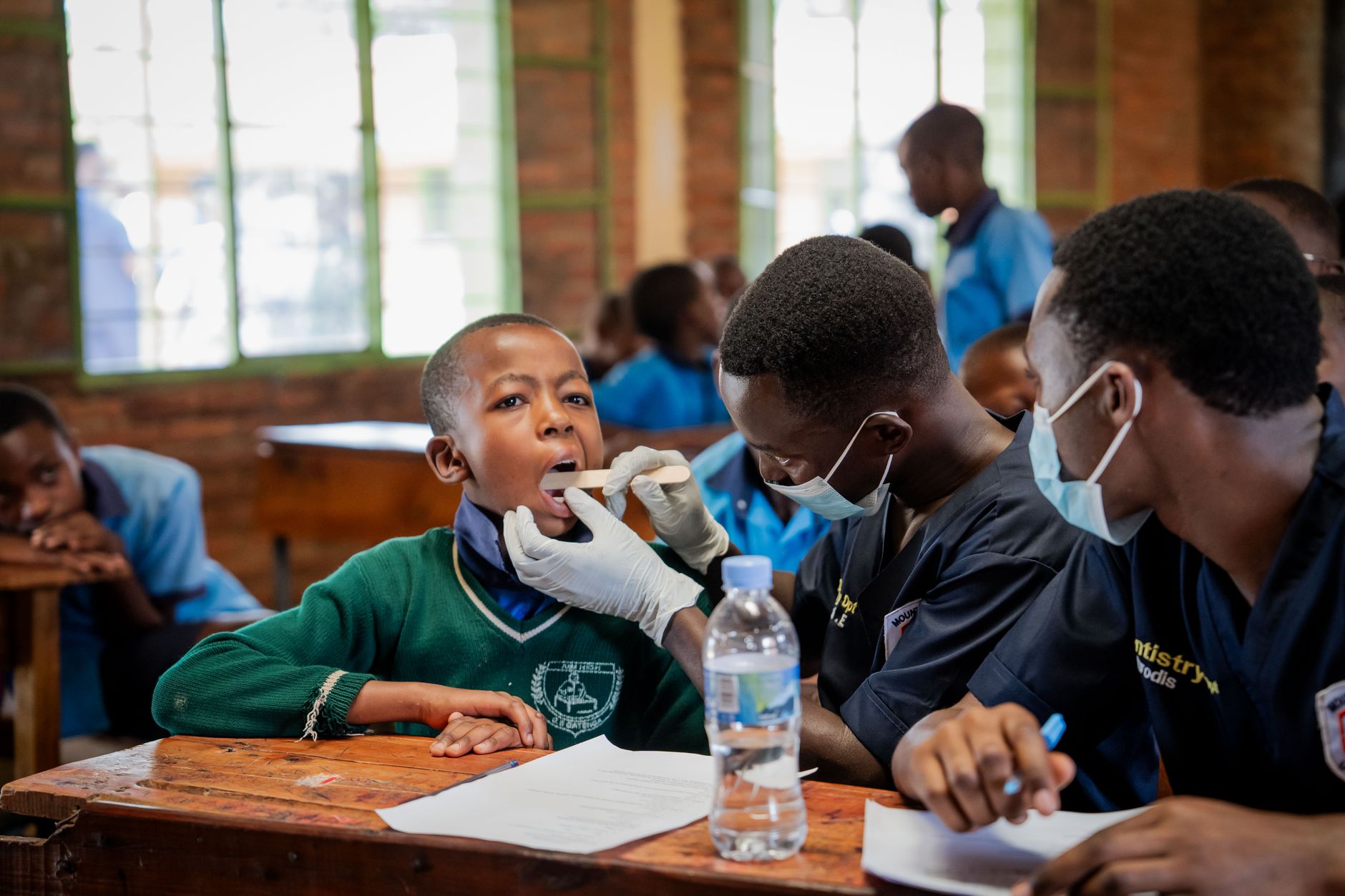
The World Health Organization (WHO) officially launched an updated oral health surveillance module this Wednesday, October 7, 2026, marking a shift in how nations track dental disease. This revision to the NCD STEPS module provides a standardized framework for countries to collect data on oral health, moving beyond simple cavity counts to include systemic disease markers. Experts said this change is long overdue, as oral conditions often serve as early indicators for broader health crises. The updated module reflects current evidence on how dental disease is measured globally. By strengthening population-level surveillance, the WHO aims to support evidence-based policy that can withstand the pressures of modern public health. Officials confirmed that international experts and WHO collaborating centres spent months refining the metrics to ensure they account for both traditional dental caries and the complex interplay between oral health and chronic conditions. • The new module includes specific indicators for gum disease and early-stage malocclusion. • Data collection is now streamlined to integrate with existing NCD (Non-Communicable Disease) surveillance systems. • The update provides a 2026 baseline for future policy interventions. For India, this update provides a vital tool to quantify the scale of the dental crisis. With a vast population, the country has struggled to maintain consistent data across states. Sources noted that the new WHO framework will allow health ministries to allocate resources more effectively, targeting regions where dental decay rates are highest. This is not merely a bureaucratic change; it is a fundamental shift in how the government approaches the mouth as a gateway to overall wellness.
School Screenings in India Reveal Deep-Rooted Dental Challenges
In classrooms from Bengaluru to Bihar, the story remains the same: dental health is a neglected pillar of student wellbeing. Recent health screenings in schools across India have identified poor oral health as one of the most common findings among children. Dental caries, gum disease, and early signs of malocclusion are appearing at alarming rates, according to local health officials. The impact on a child's education is often overlooked. A student suffering from a persistent toothache is less likely to concentrate, more likely to miss school, and faces long-term nutritional deficits if they cannot chew properly. Doctors pointed out that these school-based screenings are often the first time a child interacts with a dental professional, highlighting a massive gap in primary care access. • Over 60% of children in surveyed urban schools showed signs of early-stage dental decay. • Gum disease prevalence in adolescents has risen by 12% since 2024. • Less than 30% of schools have a dedicated dental hygiene program. Despite these findings, the conversation in India has historically focused on acute medical conditions rather than chronic oral health issues. However, the new WHO module provides a standardized way for Indian health departments to report these findings. By documenting the prevalence of these issues, officials hope to push for better integration of dental check-ups into the national school lunch and health programs. The goal is to move from reactive treatment to proactive prevention, catching decay before it becomes a systemic infection.
Why Oral Hygiene is the First Line of Defense in CAR-T Therapy
The biological link between the mouth and the body is perhaps nowhere more critical than in the context of CAR-T therapy. As oncology care evolves, dentists are increasingly joining the treatment team to manage the risks associated with this advanced cancer therapy. Before engineered T-cells are infused, patients typically receive lymphodepleting chemotherapy, a regimen designed to suppress their existing immune system. This suppression makes the mouth a high-risk zone for infection. If a patient has undiagnosed gum disease or a hidden abscess, the chemotherapy can turn a minor oral issue into a life‑threatening systemic infection. Doctors explained that the mouth is a reservoir for bacteria; when the immune system is wiped out, those bacteria can enter the bloodstream with devastating consequences. • CAR‑T patients require a full dental clearance at least 14 days before chemotherapy begins. • Oral mucositis, a painful inflammation, is a common side effect that requires pre‑emptive dental management. • Dentists now play a role in monitoring the oral microbiome to prevent sepsis during the recovery phase. This reality underscores why the WHO's focus on oral health is not just about teeth. It is about patient safety in the most complex medical procedures. The integration of dental professionals into oncology wards is becoming a standard of care, yet many patients in India still lack access to this level of specialized dental input. The new surveillance standards are expected to highlight these gaps, proving that oral health is a prerequisite for successful cancer outcomes.
How Data-Driven Policy is Shaping the Future of Dental Access
The push for evidence‑based policy is gaining momentum as the WHO provides the tools for better data collection. By standardizing how oral disease is reported, the organization enables governments to compare their progress against global benchmarks. Experts noted that when a government can show a 5% drop in dental caries through a specific intervention, it becomes much easier to secure funding for that program in the next budget cycle. In Canada, a recent survey of 1,543 dental hygienists by the Canadian Dental Association (CDA) revealed that nearly 80% of respondents reported increased patient access through targeted programs. This data serves as a model for what is possible when policy is backed by rigorous surveillance. Indian policymakers are looking at these successes as they refine their own national health strategies, aiming to bridge the divide between rural and urban dental care. • Standardized surveillance allows for the comparison of dental health across different states and districts. • Evidence‑based policy ensures that funds are directed toward high‑impact areas like fluoride varnish programs. • Transparent data collection helps hold local health authorities accountable for their targets. The challenge, however, remains the implementation. In a country as diverse as India, a one‑size‑fits‑all approach rarely works. The WHO's updated module is flexible enough to be adapted to local conditions, whether in a high‑tech hospital in Mumbai or a community health center in a remote village. Officials said the key will be training local health workers to use these tools accurately, ensuring that the data collected is reliable enough to inform national health policy.
The Shifting Landscape of Dental Professionalism and Patient Care
Dentistry is moving away from the traditional model of 'drill and fill' toward a more holistic approach that considers the patient's entire health profile. This shift is reflected in the way dental hygienists and dentists are now participating in broader health initiatives. Sources confirmed that the role of the dental hygienist is expanding, with more professionals taking on diagnostic and preventative tasks that were once the exclusive domain of dentists. This evolution is vital for reaching underserved populations. By empowering hygienists to conduct screenings and provide basic preventative care, the healthcare system can significantly increase its capacity. The recent CDA findings demonstrate that when dental professionals are given the mandate to expand their scope of practice, patient access improves almost immediately. This is a lesson that India's dental associations are currently debating as they look for ways to address the massive shortage of dental practitioners in rural areas. • Expansion of the dental hygienist scope of practice is a key strategy for improving access. • Tele‑dentistry is being explored as a way to reach patients in remote, mountainous regions. • Interdisciplinary training between dentists and general physicians is becoming more common in medical schools. The integration of dental health into the broader medical curriculum is another significant development. Doctors are now being trained to recognize the early signs of oral disease, ensuring that patients are referred to dentists long before a condition becomes critical. This collaborative approach is the hallmark of modern medicine, and the WHO's focus on oral health is a major step toward normalizing this integration. The mouth is finally being recognized as an essential part of the human body, not a separate entity.
Advancing Oral Health as a National Health Priority
The road ahead for oral health in India involves a concerted effort to move dental care from the periphery to the center of national health priorities. With the new WHO surveillance module as a guide, the government has an opportunity to build a robust system that tracks progress and identifies failures in real‑time. This is not just about preventing cavities; it is about addressing the systemic health issues that plague millions of Indians, from diabetes to cardiovascular disease, which are all linked to oral inflammation. The success of this initiative will depend on the commitment of state governments to invest in the necessary infrastructure. It requires not just equipment, but a shift in mindset. When school children, cancer patients, and the elderly all have access to quality dental care, the entire public health system benefits. Officials stated that the next phase of this effort will focus on public awareness campaigns that demystify dental care and encourage routine check‑ups. • The national health budget for 2027 is expected to include increased allocations for oral health initiatives. • Public‑private partnerships are being courted to provide mobile dental clinics in rural districts. • The goal is to reach a 40% reduction in untreated dental disease by 2030. As we look toward the future, the integration of oral health into the national health record system will be the ultimate test of this policy. If every citizen's dental history is as accessible as their vaccination record, the health outcomes for the nation will improve by an order of magnitude. The WHO's update is the catalyst, but the work of building a healthier India must happen in the clinics, the schools, and the homes of every citizen. Dental health is finally taking its rightful place in the national health conversation, and for millions, that shift cannot come soon enough.