Abu Dhabi and GGGI Extend Green Growth Pact to Drive Climate Action
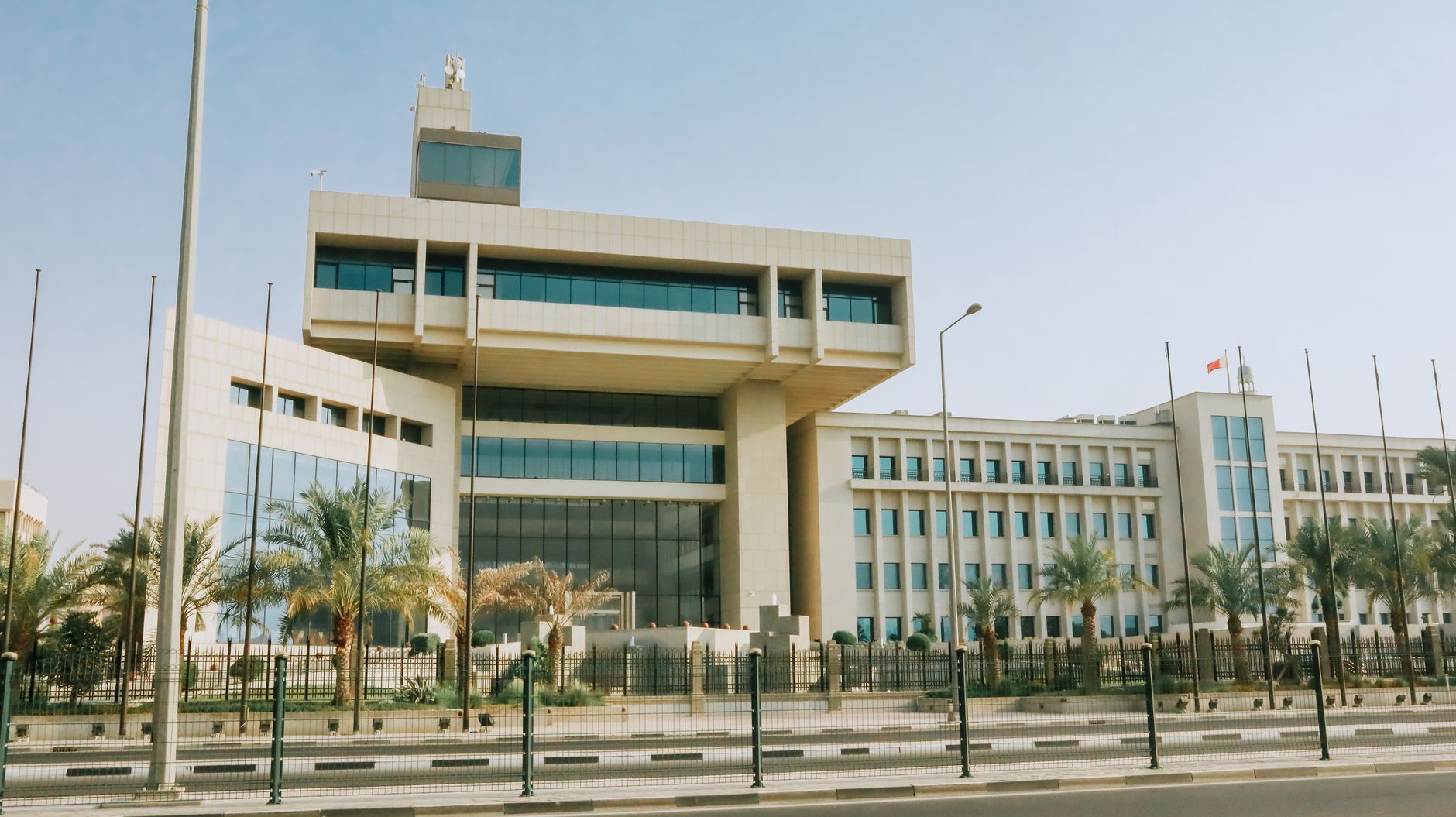
- EAD and GGGI signed a formal extension to their green growth cooperation agreement.
- The partnership aims to scale up sustainable development initiatives across Abu Dhabi.
- EAD recently hosted the 2nd cycle of the Source-to-Sea initiative in the Republic of Korea.
- GGGI launched a five-year green finance partnership with Kenyan banks to support climate projects.
- New research highlights the role of regulatory frameworks in the green energy transition for Qatar and Türkiye.
The Environment Agency – Abu Dhabi (EAD) and the Global Green Growth Institute (GGGI) have extended their cooperation agreement to accelerate sustainable development across the emirate. Officials confirmed the renewal on Sunday, September 20, 2026, marking a shift toward more integrated climate policies. This agreement builds on years of collaboration between the two organizations to align Abu Dhabi's industrial goals with global environmental standards.
The partnership focuses on three primary areas: decarbonizing the local economy, enhancing water security, and promoting circular economy practices. EAD leaders stated that the extension provides the regulatory certainty required for private sector investment in renewable energy. By leveraging the technical expertise of the GGGI, the agency intends to refine its policy framework to better support low-carbon infrastructure.
- The agreement covers a multi-year period of collaborative research.
- EAD plans to implement at least 15 new sustainability protocols by the end of 2027.
- GGGI will provide advisory services for Abu Dhabi's ongoing energy transition projects.
Local officials noted that the partnership acts as a catalyst for broader regional change. As Abu Dhabi seeks to diversify its economic base away from fossil fuels, these institutional ties provide a roadmap for long-term resilience. The collaboration is not merely about policy drafting but also about measurable outcomes in carbon reduction and resource efficiency.
From Abu Dhabi to Seoul: Expanding the Source-to-Sea Strategy
The Environment Agency – Abu Dhabi recently concluded the second cycle of its global Source-to-Sea initiative, held in the Republic of Korea. This program addresses the interconnected health of inland waterways and marine ecosystems. Experts noted that pollution often originates in urban centers before flowing into coastal waters, necessitating a holistic management approach. EAD delegates worked with international counterparts to share data on water quality monitoring and coastal protection.
The initiative focuses on the entire lifecycle of water management, from urban drainage systems to the protection of delicate coral reefs and seagrass beds. By hosting the event in Korea, the agency successfully facilitated knowledge exchange regarding advanced filtration technologies and urban planning. The program highlights the necessity of transboundary cooperation in managing marine environments.
- The initiative tracked pollutants across 12 distinct coastal sites.
- Participants developed a new framework for managing microplastic runoff in urban areas.
- EAD officials shared findings from their five-year study on Arabian Gulf water salinity.
Marine biologists involved in the project reported that the data collected will inform the next phase of coastal restoration in Abu Dhabi. The agency remains focused on maintaining the integrity of the emirate's coastline, which serves as both a critical habitat for endangered species and a hub for commercial activity. This international outreach positions Abu Dhabi as a leader in marine environmental governance.
Kenya and the Global Shift Toward Investable Climate Projects
In a parallel development, the Global Green Growth Institute recently forged a five-year partnership with Kenyan banks to transform climate projects into investable businesses. This initiative serves as a model for how financial institutions can mobilize capital for environmental impact. Analysts pointed out that the lack of bankable projects often hinders climate finance in emerging markets. By bridging the gap between project developers and commercial lenders, the GGGI aims to unlock significant funding for solar, wind, and waste-to-energy projects.
The strategy involves providing technical assistance to banks to help them assess the risks and rewards associated with green lending. This model addresses the common issue of high perceived risk in climate-related ventures. Kenyan banks have identified several sectors where green finance can drive economic growth while meeting environmental targets.
- The partnership targets a 20% increase in green lending volume by 2030.
- GGGI will train over 500 bank employees on climate risk assessment.
- The initiative aims to support at least 30 large-scale renewable energy projects.
Financial experts noted that this collaborative approach provides a blueprint for other regions, including the Middle East. As Abu Dhabi continues to expand its own green finance portfolio, the lessons learned from the Kenya partnership provide valuable insights into private sector engagement. The ability to turn climate goals into profitable ventures remains the ultimate test of success for these international agreements.
Qatar and Türkiye: Bridging the Gap in Green Regulatory Frameworks
Recent research published in the Wiley Online Library sheds light on the transformation of sustainable energy policies in Qatar and Türkiye. The study emphasizes the role of regulatory frameworks in facilitating the transition to sustainable energy. Officials noted that policy stability allows investors to commit capital to long-term projects with greater confidence. The research highlights how both nations have updated their legal structures to accommodate private sector participation in the energy market.
The study focuses on the intersection of green finance and policy transformation, noting that regulatory clarity is often the missing piece in climate action. By aligning energy policies with international climate commitments, both Qatar and Türkiye have attracted increased interest from global green funds. The report identifies specific mechanisms, such as feed-in tariffs and carbon pricing, that have proven effective in these markets.
- Qatar's regulatory updates have led to a 12% rise in renewable energy project approvals.
- Türkiye's policy reforms have spurred a 15% growth in wind energy capacity.
- Both countries have integrated green finance criteria into their national banking regulations.
The findings suggest that the success of green growth depends on the strength of the underlying institutional framework. As Abu Dhabi reviews its own policy landscape, the experiences of Qatar and Türkiye provide a comparative analysis of what works in desert and semi-arid climates. Consistent regulatory environments remain the most effective tool for driving the energy transition.
AfCFTA and the Emerging Market for Green Employment
The African Continental Free Trade Area (AfCFTA) is creating new opportunities for green job growth across the continent, according to a report from the Africa Policy Research Institute. This economic integration allows for the scaling of green industries, from manufacturing electric vehicle components to developing sustainable agricultural supply chains. Experts noted that the shift toward green energy is not just an environmental imperative but also a significant economic driver. The AfCFTA framework provides the necessary scale for these industries to become competitive on a global level.
The report highlights that the transition to a green economy requires a workforce with new skills in engineering, project management, and environmental monitoring. By creating a unified market, the agreement encourages investment in vocational training and the development of regional centers of excellence. This focus on human capital ensures that the benefits of the green transition are shared across different demographics.
- The green sector is projected to create 2 million new jobs by 2035.
- AfCFTA members have agreed to harmonize standards for green manufacturing.
- Investment in green infrastructure is expected to rise by 25% over the next decade.
The implications for global markets are clear: as Africa moves toward a green economy, it will become a major player in the global supply chain for sustainable products. Abu Dhabi, with its focus on international cooperation, stands to benefit from these emerging partnerships. The alignment of economic policy with environmental sustainability remains the most effective strategy for long-term development.
Mapping the Future of Abu Dhabi's Coastal and Island Ecosystems
The Department of Culture and Tourism – Abu Dhabi recently launched a new guide for islands and water sports, highlighting the emirate's commitment to sustainable tourism. This guide serves as a resource for both residents and visitors, providing information on protected areas and responsible recreation. Officials said that the guide is part of a broader effort to manage the environmental impact of tourism on the emirate's fragile coastal ecosystem. By directing visitors toward sustainable activities, the agency aims to reduce the pressure on sensitive habitats.
The guide includes detailed maps of marine protected areas and guidelines for water sports enthusiasts to follow to avoid damaging seagrass beds and coral reefs. This initiative demonstrates the practical application of the EAD's environmental policies in the public sphere. The agency continues to monitor the health of these ecosystems, using the data collected during the Source-to-Sea initiative to guide its management decisions.
- The guide features 40 designated sustainable tourism sites.
- EAD has deployed 10 new monitoring stations to track visitor impact.
- Tourism operators must now comply with strict waste management protocols.
Looking forward, the agency plans to expand its sustainable tourism program to include more inland areas. The integration of environmental protection into public-facing initiatives ensures that the public remains informed and engaged. By balancing economic growth with ecological stewardship, Abu Dhabi is building a sustainable future. The success of these programs relies on the continued collaboration between government agencies, the private sector, and the community at large.