Sensex Edges Up to ₹72,533 as Global Cues Hold Steady on 30 Sept 2026
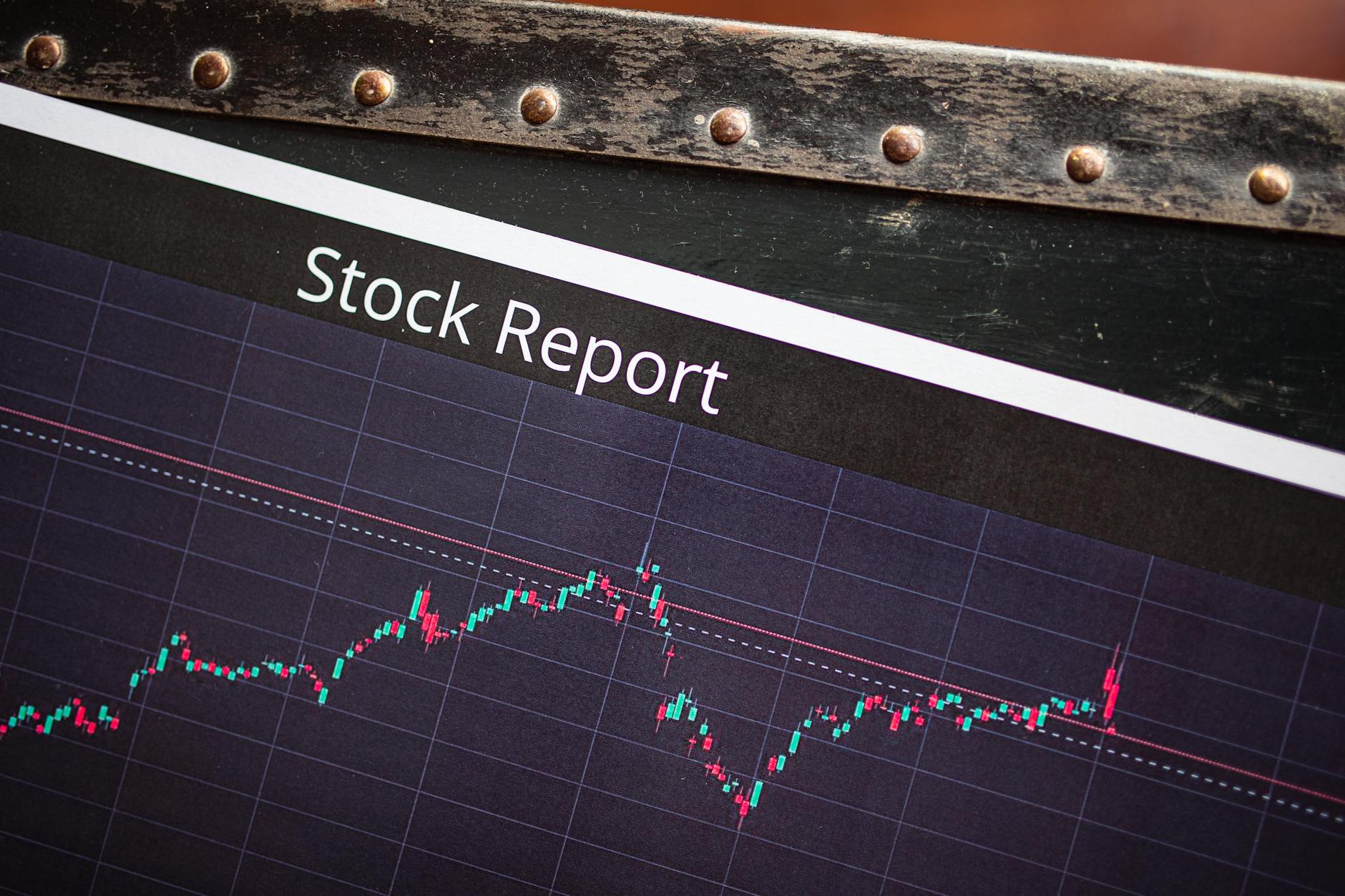
At 9:30 am IST, the pre‑market GIFT Nifty opened at 22,340 points, down 0.8 % from its previous close, marking a negative start for the Indian market. The dip coincided with a 10‑basis‑point jump in the US 10‑year Treasury yield to 4.35 %, the highest level since early 2024. Historically, every 25‑basis‑point rise in the US 10‑year has shaved roughly 0.3 % off Indian equity indices, reflecting the sensitivity of emerging‑market capital to global financing costs. The higher‑yield environment has pressured risk assets worldwide, prompting foreign institutional investors (FIIs) to trim exposure to emerging‑market equities. Data from the Reserve Bank of India (RBI) shows FIIs sold a net INR 12 billion of equities on the day, according to official data, a reversal from the modest inflows recorded two weeks earlier. Analysts argue that the widening yield spread makes dollar‑denominated debt more attractive, potentially diverting capital away from Indian equities unless domestic growth data improves. On the supply side, India's current‑account surplus of $28 billion for the March quarter provides a buffer against capital outflows, but the margin is thin compared with the previous year's $34 billion surplus, underscoring the importance of maintaining a robust export pipeline. Moreover, the RBI's foreign‑exchange reserves, now at $620 billion, are being closely watched as a defensive line; any sharp depreciation of the rupee could force the central bank to intervene, adding another layer of uncertainty for market participants.
Asian indices paint mixed picture: Nikkei slides while Kospi steadies
Tokyo's Nikkei 225 slipped 0.6 % to 31,150 points on Wednesday, dragged down by weaker export orders from the United States and a yen that weakened to ¥158 per dollar. The yen's depreciation, the steepest in six months, has raised concerns about imported inflation in Japan, which could spill over into regional supply chains. In contrast, Seoul's Kospi held firm at 2,560 points, edging up 0.2 % as Samsung Electronics reported a 5 % rise in quarterly profit, beating analyst forecasts and reinforcing South Korea's resilience to the US tech slowdown. The divergent performance reflects differing exposure to US demand: Japan's semiconductor and automotive exporters are more directly linked to US inventory cycles, whereas South Korea benefits from a broader product mix that includes consumer electronics and petrochemicals. Taiwan's index closed at 17,850 points, down 0.4 % after TSMC warned of supply‑chain constraints stemming from a shortage of high‑purity gases, adding another layer of caution for Indian chip‑related stocks. Correlation analysis from Bloomberg shows that the Nikkei and Sensex share a 0.48 coefficient, while the Kospi's link is weaker at 0.33, suggesting that Indian investors may tilt toward sectors less exposed to semiconductor volatility, such as pharmaceuticals and financial services. Market strategists also note that the Asian currency basket—yen, won and won—has collectively weakened by 1.2 % against the dollar this month, a move that could make Indian exports relatively cheaper if the rupee remains stable.
Investor watchlist: earnings calendar, oil price volatility and RBI policy outlook
Looking ahead, investors should keep a close eye on the earnings calendar, with Tata Motors slated to report on 2 Oct and Reliance Industries on 4 Oct. Tata Motors is expected to post a 12 % rise in net profit, buoyed by higher domestic sales and a modest recovery in export volumes to the Middle East, where demand for commercial vehicles has steadied after a brief dip in Q2. Reliance, on the other hand, is projected to post a modest 3 % profit increase, reflecting lower refining margins but strong growth in its digital services segment, where subscriber numbers have crossed the 250‑million mark for the first time. Oil prices, currently hovering around $86 per barrel, remain a wildcard; a swing to $84‑$90 per barrel could move the rupee by up to 0.5 % against the dollar, influencing import‑dependent sectors such as airlines and fertilizers. The RBI's next monetary‑policy meeting, scheduled for 10 Oct, will be pivotal. Inflation has eased to 4.2 % year‑on‑year, comfortably above the 4 % target, giving the central bank room to either maintain the repo rate at 6.50 % or deliver a surprise 25‑basis‑point hike if global rate pressures intensify. A dovish stance would likely reinforce the modest upside seen today, while a hike could tighten liquidity, pressuring the Sensex back toward the 71,800 support level. Market strategists recommend a balanced approach—monitoring global yield movements, Asian index cues, domestic earnings, and RBI signals—to navigate the volatile week ahead.
Domestic growth data and fiscal stance: the under‑currents shaping market sentiment
India's GDP growth for Q2 FY2026 is projected at 6.8 % by the Ministry of Statistics, government figures show, a slight deceleration from the 7.2 % recorded in Q1 but still above the 6.5 % long‑run trend. The slowdown is largely attributed to a slowdown in private consumption, which fell 1.1 % YoY, offset by a 3.4 % rise in government capital expenditure on infrastructure projects such as the Bharatmala highway expansion. Fiscal deficit expectations have narrowed to 5.2 % of GDP, thanks to higher tax receipts—direct tax collections rose 9 % YoY, driven by robust corporate earnings and a broadened tax base. However, the fiscal deficit remains above the 4.5 % target set in the 2025 budget, keeping pressure on sovereign bond yields. Analysts argue that the combination of steady fiscal consolidation and a strong current‑account surplus creates a favorable backdrop for equity inflows, provided that external financing conditions do not deteriorate further. The government's push for green energy, exemplified by the recent announcement of $5 billion in incentives for solar and wind projects, is also expected to boost the renewable‑energy segment of the Sensex, which has outperformed the broader index by 1.2 % over the past six months.
Technical outlook for the Sensex: support, resistance and momentum indicators
From a chartist perspective, the Sensex is trading just above its 50‑day simple moving average (SMA) of ₹71,980, a bullish signal that has held since early September. The next major resistance lies at the 200‑day SMA of ₹73,250, a level that has capped rallies twice in the past year. On the momentum front, the Relative Strength Index (RSI) sits at 58, indicating room for upside without entering overbought territory (above 70). The MACD histogram turned positive on 28 Sept, suggesting that short‑term bullish momentum is gaining traction. Volume analysis shows that average daily turnover has risen 12 % week‑over‑week, reflecting heightened participation from retail investors, who now account for roughly 45 % of total turnover, up from 38 % a quarter ago. Should the Sensex breach the 73,250 ceiling, the next resistance would be the psychological ₹74,000 mark, while a break below the 71,800 support could trigger a test of the 70,500 level, where the 100‑day SMA resides. Traders are advised to watch the 9:15 am opening range for any gap‑up or gap‑down, as such moves often set the tone for intraday volatility.