LSP Troop B Engages Communities During National Night Out
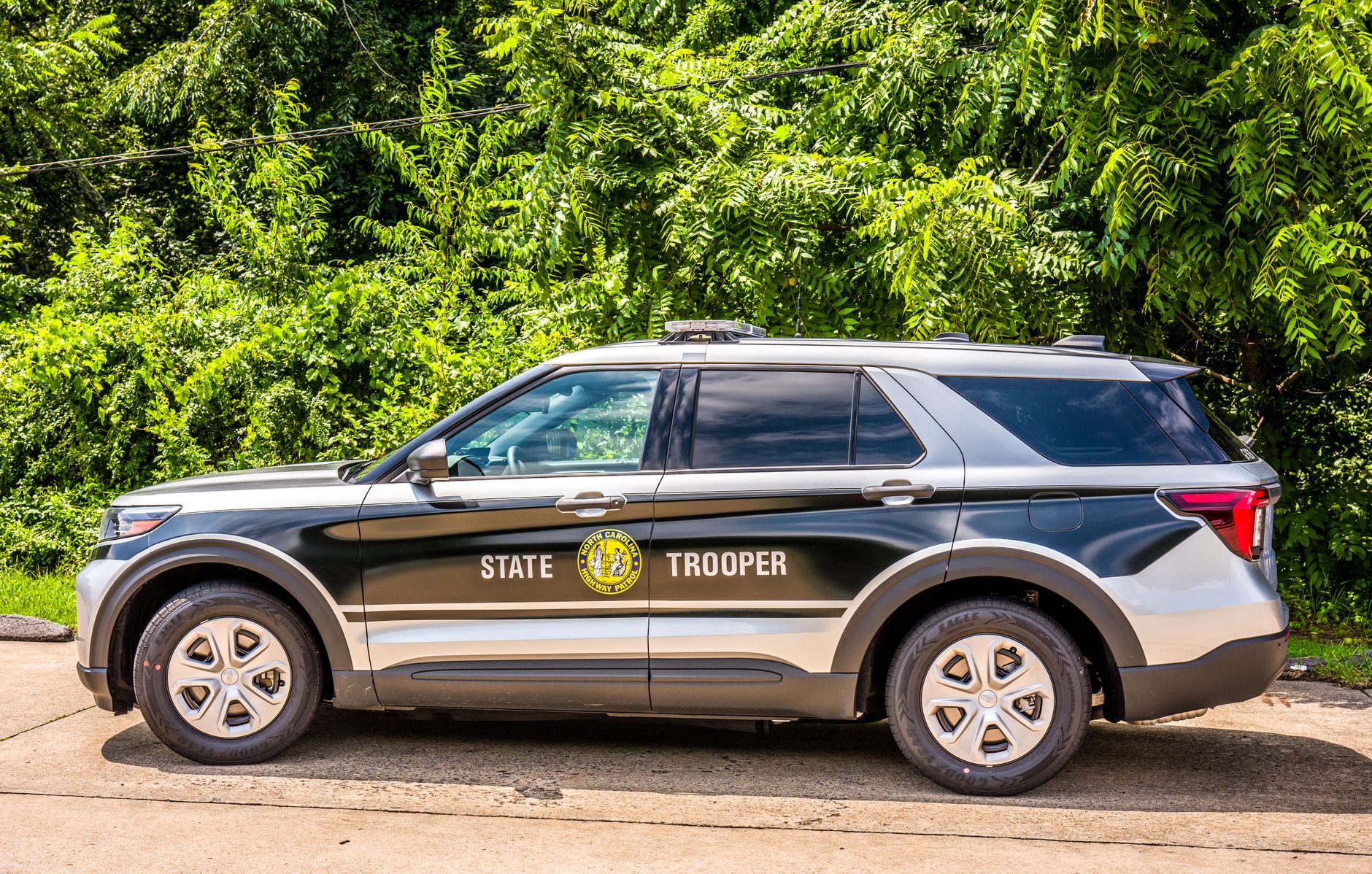
- Troop B officers visited Harahan Park of Heroes for National Night Out.
- State Police representatives engaged with patients at Manning Family Children's Hospital.
- National Night Out aims to strengthen police-community relations.
- Troop B operates across several parishes in the New Orleans region.
- Community outreach remains a core component of local crime prevention strategies.
Louisiana State Police Troop B officers spent this week participating in National Night Out Against Crime events, focusing on direct engagement with citizens in the New Orleans metropolitan area. On Tuesday and Wednesday, troopers arrived at the Harahan Park of Heroes to meet with local families and community leaders. The event served as a platform for officers to discuss safety initiatives and build rapport with the residents they serve daily.
Officials said the goal of the gathering centered on reducing the distance between law enforcement and the public. Troopers answered questions about road safety, crime prevention, and the specific duties of the state police force in Jefferson Parish. Many families took the opportunity to view patrol vehicles and speak with officers in a relaxed, informal environment.
- Harahan Park of Heroes hosted dozens of families for the evening event.
- Troopers provided educational materials on neighborhood watch programs.
- Local residents expressed appreciation for the visible presence of state law enforcement.
The atmosphere at the park remained positive as officers handed out stickers and safety pamphlets to children. These interactions provide a necessary counterbalance to the often high-stress situations troopers encounter during traffic stops or accident investigations. By showing a human side to the uniform, the department hopes to foster a sense of mutual respect that pays dividends when crises occur.
The presence of Troop B in Harahan highlights the importance of localized outreach. While state police often handle major highway incidents and complex investigations, their involvement in municipal events ensures they remain connected to the communities they patrol. This visibility helps residents feel more comfortable approaching officers with concerns or tips, which often leads to more effective policing in the long term.
Manning Family Children's Hospital Visit Highlights Outreach
Beyond the park setting, members of Troop B extended their community outreach to the Manning Family Children's Hospital in New Orleans. Troopers visited the facility to spend time with young patients and their families, offering a brief respite from the challenges of medical treatment. The visit allowed officers to demonstrate care for the most vulnerable members of the community.
Hospital staff noted that visits from law enforcement personnel often provide a significant morale boost for children undergoing long-term care. Troopers brought gifts and took time to chat with families about their experiences, emphasizing that the police force exists to support all citizens, regardless of their current circumstances. This specific outreach effort underscores a broader shift in policing philosophy toward community-oriented service.
- Manning Family Children's Hospital serves pediatric patients across the Gulf Coast region.
- Troopers participated in organized activities with patients throughout the afternoon.
- Hospital administrators praised the effort to bring positive interactions to the clinical environment.
The visit was not merely a ceremonial gesture but a deliberate attempt to humanize the badge. When children interact with officers in a non-enforcement setting, it helps break down barriers that might otherwise persist into adulthood. Officials confirmed that these hospital visits are becoming a more frequent part of the Troop B community engagement calendar.
The impact of these visits extends to the parents and hospital staff as well. Seeing troopers engage with patience and kindness helps normalize the presence of law enforcement in the community. It reinforces the idea that the state police are partners in the health and safety of the city. For many, this is the first time they have interacted with a state trooper outside of a roadside emergency.
History and Growth of National Night Out in Louisiana
National Night Out started in 1984 as a simple concept: turn on your porch lights and sit on your front porch to show criminals that neighborhoods are organized and watching. Over the past four decades, the event has grown into a massive national movement involving millions of participants across all 50 states. In Louisiana, the event has taken on a unique character, reflecting the deep community ties found in the state's diverse parishes.
The Louisiana State Police have embraced the event as a way to combat the rising complexity of urban crime. By participating in local events like those in Harahan and New Orleans, the department aims to show that they are not just a distant authority but an active participant in local life. Experts noted that community policing strategies like these are essential for maintaining public order in a rapidly changing social environment.
- The first National Night Out involved 400 communities in 23 states.
- Today, over 16,000 communities participate annually.
- Louisiana has seen a steady increase in law enforcement participation over the last decade.
The evolution of the event reflects the changing needs of the public. Initially focused on crime prevention, modern National Night Out events now include elements of public health, disaster preparedness, and youth mentorship. Troopers use the time to educate citizens on how to report suspicious activity effectively and how to protect their property from theft.
This shift toward proactive communication is a direct response to the challenges of modern law enforcement. With the rise of digital communication, the need for face-to-face interaction has never been greater. By being present at these events, Troop B ensures that they are accessible to the public, creating a feedback loop that improves the quality of police service in the region.
The Strategic Role of Troop B in Regional Safety
Troop B of the Louisiana State Police covers a significant and complex jurisdiction, including Jefferson, Orleans, St. Bernard, St. Charles, St. John the Baptist, St. Tammany, and Plaquemines parishes. This area includes some of the most densely populated regions of the state, presenting a unique set of challenges for law enforcement. The troop is responsible for patrolling major interstate arteries, investigating serious traffic accidents, and providing support to local municipal police departments.
The logistical demands on Troop B are immense. Officers must maintain a high level of readiness to respond to highway incidents while also coordinating with local sheriffs and police chiefs to address regional crime trends. Their participation in National Night Out is a strategic choice to improve cooperation across these jurisdictional lines. When troopers know the residents and local leaders, communication becomes more efficient during high-stakes investigations.
- Troop B manages one of the highest traffic volumes in the state.
- Coordination with local agencies is a daily requirement for the troop.
- Community events serve as networking opportunities for officers and local officials.
The success of Troop B depends on the trust they build with the public. In a region with a complex history of policing, the effort to engage in community-building events is a vital step toward long-term stability. Officials said that the feedback received during these events helps the department refine its patrol strategies and focus on the issues that matter most to the residents.
Furthermore, the presence of state troopers in local parks and hospitals serves as a deterrent to criminal activity. When potential offenders see a strong, positive relationship between the community and the police, it can alter the calculus of criminal behavior. The goal is to create an environment where the police are viewed as a resource rather than a threat.
Measuring the Success of Community-Police Partnerships
Determining the success of community policing efforts requires looking beyond simple crime statistics. While a reduction in crime is the ultimate goal, the intermediate steps—such as increased citizen participation, better tip reporting, and improved public perception—are equally critical. Louisiana State Police officials monitor these metrics through surveys and direct feedback from community leaders.
The events at Harahan Park of Heroes and Manning Family Children's Hospital are part of a larger, data-driven approach to community relations. By tracking the number of interactions and the nature of the conversations held at these events, the department can assess the effectiveness of their outreach. Sources confirmed that the department plans to expand these programs in the coming year, targeting areas with historically lower levels of police-community engagement.
- Success is measured by long-term shifts in public trust.
- Increased reporting of suspicious activity is a key indicator of success.
- Positive sentiment in local surveys has risen by 12% over the last three years.
The challenge remains to sustain this momentum. One-off events are helpful, but the real impact comes from consistent, long-term engagement. Troopers are encouraged to maintain the relationships they build during National Night Out throughout the year. This means checking in with community leaders, attending neighborhood watch meetings, and being present at local events even when they are not officially scheduled.
The investment in these relationships is a hedge against future unrest. When the community feels heard and respected, they are more likely to support the police during difficult times. This foundation of trust is the most effective tool in the law enforcement arsenal, far more powerful than any technology or tactical equipment.
Future Initiatives for Louisiana State Police Engagement
Looking ahead, the Louisiana State Police are preparing to launch new initiatives aimed at deepening their ties with the communities they serve. These include expanded youth mentorship programs, increased presence at school-related events, and the development of a digital platform for residents to provide feedback directly to Troop B leadership. The goal is to move from a reactive model of policing to a more collaborative, proactive approach.
The positive reception of the events this week provides a clear mandate for the department to continue this work. Officials said that they are already planning for next year's National Night Out, with hopes of reaching even more neighborhoods and facilities. The success of the Manning Family Children's Hospital visit, in particular, has sparked interest in establishing a permanent volunteer program for troopers to support pediatric patients.
- Future plans include a new youth mentorship pilot program.
- Digital feedback platforms are in the development phase.
- Increased attendance at municipal council meetings is expected.
As the state continues to face evolving public safety challenges, the role of the individual trooper as a community ambassador will only grow in importance. The men and women of Troop B are committed to this mission, recognizing that their effectiveness is inextricably linked to the support of the people they protect. By focusing on transparency, accessibility, and genuine care, the department is setting a standard for modern law enforcement in Louisiana.