LDEQ Forces Cleanup at Lafayette Concrete Plant Over Wastewater
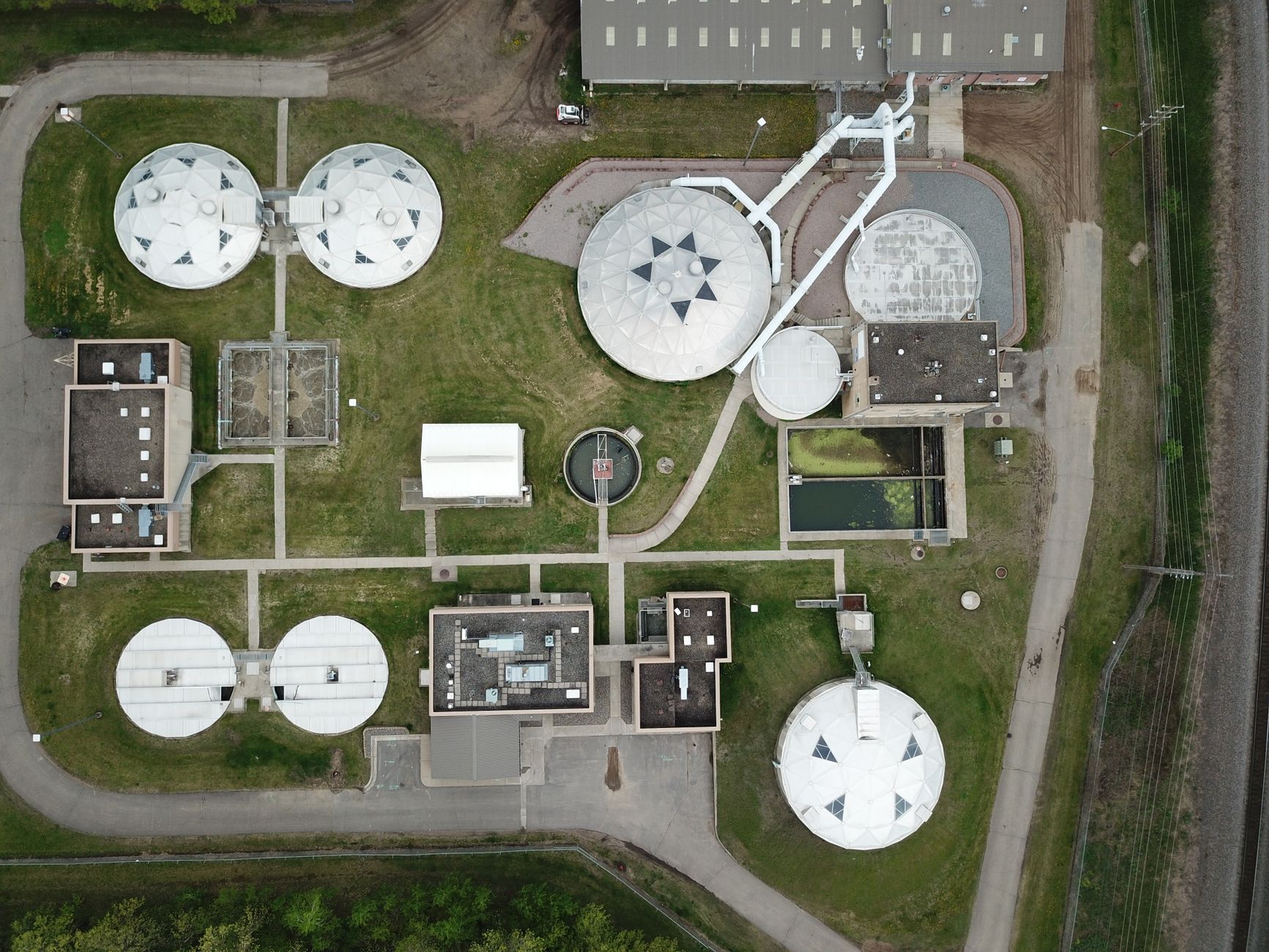
- LDEQ finalized a settlement agreement with a Lafayette concrete mixing facility on September 29, 2026.
- The facility failed to manage high-pH wastewater runoff, violating state environmental statutes.
- The agreement mandates immediate infrastructure upgrades to prevent future water contamination.
- Concrete wastewater often reaches pH levels of 12 or higher, which can be lethal to local aquatic life.
- Regulatory officials confirmed that monitoring will continue through the end of the fiscal year.
The Louisiana Department of Environmental Quality (LDEQ) finalized a settlement agreement today with a Lafayette Parish concrete mixing facility to resolve ongoing violations related to wastewater management. The agreement, signed on Tuesday, September 29, 2026, marks the end of a multi-month investigation into the site's discharge practices. Officials said the facility failed to adequately treat high-pH runoff before it reached local drainage systems. The settlement requires the company to pay a civil penalty and implement a rigorous corrective action plan.
- The facility must install new pH-balancing technology by December 31, 2026.
- LDEQ inspectors will conduct monthly site visits to ensure full compliance.
- The company agreed to a $45,000 penalty for past non-compliance incidents.
This enforcement action highlights the state's push to tighten oversight of industrial runoff in rapidly developing parishes. Residents living near the facility have long voiced concerns about the quality of water in nearby ditches and bayous. The LDEQ confirmed that these specific violations occurred between January and August 2026, a period of heavy construction activity in the Lafayette area. Regulators now demand that the facility overhaul its site drainage to prevent future sediment and chemical contamination of the watershed.
The Chemistry of Concrete Contamination in Louisiana Bayous
Concrete production creates a unique environmental hazard that often goes unnoticed by the public. When water mixes with cement, it creates a slurry with a highly alkaline pH, often reaching levels of 12 or 13. For context, pure water has a pH of 7, while household bleach sits around 12. When this untreated wash water enters a stream or bayou, it creates an immediate toxic environment for local fish and amphibians. Experts said that high-alkalinity water strips the protective mucus layer from fish, leading to respiratory failure and death. The Lafayette facility allowed this toxic slurry to bypass its internal containment systems during routine equipment cleaning.
- Local water quality data indicates that pH levels near the facility spiked to 10.5 during peak production days.
- Native species like the bluegill and crawfish are particularly sensitive to these rapid shifts in water chemistry.
- The LDEQ mandate requires the facility to neutralize this water to a pH of 6.5 to 8.5 before any discharge occurs.
Beyond the immediate chemical threat, the sediment left behind by concrete runoff clogs the small, slow-moving waterways common in Lafayette Parish. This sedimentation inhibits the flow of water, which can lead to localized flooding during the heavy rains typical of South Louisiana. Managing this runoff is not just a regulatory hurdle; it is a necessity for maintaining the delicate ecological balance of the local landscape.
Regulatory Oversight and the LDEQ Enforcement Strategy
The LDEQ maintains a strict regulatory framework under the Louisiana Environmental Quality Act to protect the state's diverse water resources. Officials confirmed that this settlement is part of a broader initiative to audit industrial sites that operate under general water discharge permits. In many cases, these facilities assume that their existing drainage infrastructure is sufficient as production volume grows. However, the LDEQ found that the Lafayette facility's capacity was overwhelmed by the increased demand for construction materials in 2026. Regulatory filings reveal that the company failed to submit required quarterly discharge reports for two consecutive periods, triggering the initial inspection.
- The state agency issued an initial warning letter on May 12, 2026, before moving to formal enforcement.
- The current settlement serves as a binding contract that allows for expedited legal action if the company fails to meet the new deadlines.
- Agency officials stated that the focus remains on remediation rather than just punishment.
By forcing the facility to upgrade its infrastructure, the state aims to set a precedent for other concrete producers in the region. The LDEQ believes that modernizing these systems will reduce the long-term monitoring burden on state resources. This enforcement model shifts the cost of environmental protection back to the private sector, ensuring that industrial growth does not come at the expense of public health.
Economic Pressures and the Cost of Compliance
The construction boom in Lafayette Parish has placed immense pressure on industrial suppliers to scale up output. This race for productivity often leads to corners being cut in maintenance and environmental safety protocols. Industry analysts noted that the cost of installing advanced pH-neutralization systems can range from $50,000 to $150,000 depending on the facility size. For a mid-sized concrete mixer, this represents a significant capital expenditure. However, the alternative is a series of fines and potential permit revocation that could shut down operations entirely. The management at the Lafayette facility acknowledged the oversight during negotiations, citing a lack of personnel trained in environmental compliance as a contributing factor.
- The company has committed to hiring a dedicated environmental safety officer by November 1, 2026.
- Staff training programs will begin next month to ensure that all employees understand the new discharge protocols.
- The facility plans to integrate real-time pH monitoring sensors that will alert management to any deviations.
This transition toward professionalized environmental management is becoming standard for industrial players in the South. Companies that fail to adapt are finding it increasingly difficult to compete as insurance premiums and legal risks rise. The settlement agreement provides a roadmap for the facility to reach a sustainable operating level, balancing economic output with the legal requirements of the Clean Water Act.
Community Response and Local Watershed Health
Residents in the surrounding Lafayette neighborhoods have expressed relief that the state has finally intervened. Local activists have documented instances of cloudy, grey water in nearby drainage canals for several months. Witnesses said that the smell of ammonia and the sight of dead vegetation along the banks were common complaints brought to the parish council. While the settlement does not provide direct compensation to the neighborhood, it forces the facility to stop the ongoing damage. The LDEQ has promised to share the results of the facility's upcoming water quality tests with the public, a move that is expected to build trust between the community and the industrial operator.
- Public access to discharge reports is a key component of the new agreement.
- The facility will host a town hall meeting in late October to discuss their updated environmental safety plan.
- Local environmental groups have pledged to monitor the facility's progress independently.
The community's involvement serves as a secondary layer of oversight that keeps the facility accountable. When local residents know what to look for, they become an extension of the state's regulatory arm. This transparency is vital for ensuring that the settlement is more than just a piece of paper. The long-term health of the Lafayette watershed depends on the consistent application of these rules, regardless of how busy the construction season gets.
Future Outlook for Industrial Water Standards in Louisiana
As the state moves into the final quarter of 2026, the LDEQ is expected to ramp up inspections across the industrial belt. The settlement with the Lafayette facility acts as a warning to other operators that environmental negligence will no longer be tolerated. Experts pointed out that the agency is moving toward a more proactive stance, using remote sensing and data analytics to identify potential pollution sources before they escalate into major spills. The next steps for the Lafayette facility involve a rigorous testing phase to ensure that their new infrastructure can handle the volume of water produced during a typical Louisiana rain event. If the facility succeeds in meeting the terms of the settlement, it could serve as a model for how industrial sites can improve their environmental footprint without sacrificing profitability.
- The LDEQ will review the facility's progress again in March 2027.
- Future regulations may require all concrete plants in the parish to adopt closed-loop water recycling systems.
- The shift toward green manufacturing is likely to become a central theme in state industrial policy over the next decade.
The story of this settlement is not just about one facility in Lafayette; it is about the changing expectations for industrial operations in a state that is increasingly sensitive to the health of its water. As the population grows and the demand for infrastructure increases, the pressure on the environment will only mount. The ability to manage this pressure through smart regulation and corporate responsibility will define the future of Louisiana's industrial sector. The facility now faces a clear choice: modernize and thrive, or risk being left behind as the state continues its push for cleaner, safer waterways.