Education Minister Reviews Gajendra Narayan Singh Hospital Facilities
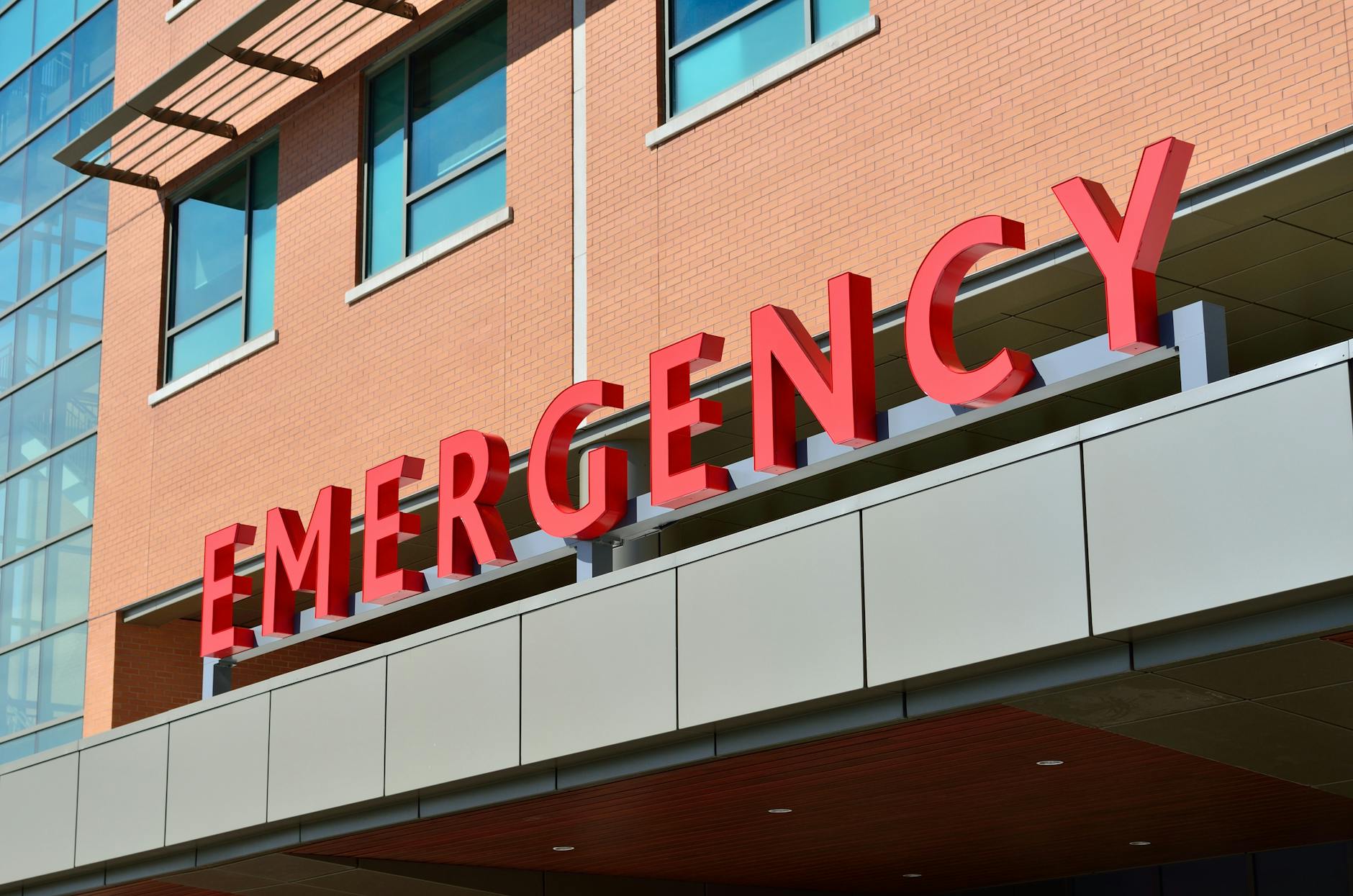
- Education Minister conducted a surprise inspection at Gajendra Narayan Singh Hospital on 14 September 2026.
- The visit focused on evaluating the integration of clinical training for medical students.
- Minister held a direct interaction with patient Babita Kumari Paswan regarding service quality.
- The inspection aimed to bridge the gap between classroom medical theory and hospital practice.
- Government officials confirmed that further infrastructure upgrades are planned for the facility.
The Education Minister arrived at the Gajendra Narayan Singh Hospital on Monday, 14 September 2026, to conduct a rigorous inspection of the facility's current operational standards. The visit, which began at 10:30 AM, sought to assess how the hospital supports the clinical training of local medical students. Officials said the minister walked through the general wards, the outpatient department, and the diagnostic wings to observe the quality of patient care firsthand. The primary objective of the visit was to ensure that the academic training provided to students is aligned with the reality of patient-facing medical services. By evaluating the hospital's infrastructure, the minister aimed to identify specific areas where government intervention could improve both patient outcomes and the quality of medical education. During the rounds, the minister stopped to speak with patients, including Babita Kumari Paswan, who was receiving treatment at the facility. This interaction provided a direct channel for the minister to understand the challenges faced by ordinary citizens when interacting with government-run health and education ecosystems. • The inspection lasted approximately three hours. • The minister reviewed the registers for patient intake and student training logs. • Specific attention was given to the availability of essential medicines and diagnostic equipment.
Minister Engages with Babita Kumari Paswan on Hospital Service Standards
During the tour of the ward, the minister held a private conversation with Babita Kumari Paswan to gather feedback on the accessibility and efficacy of the services provided. Paswan shared her experiences regarding the wait times and the availability of specialized care, offering a perspective that often remains hidden in formal reports. Officials noted that the minister took detailed notes on the specific concerns raised during this meeting. This interaction highlighted the intersection between public service delivery and the practical hurdles that patients face. For the minister, hearing directly from Paswan underscored the necessity of bridging the gap between policy formulation and on-the-ground implementation. The dialogue focused on the following points: • The time taken for initial consultation and registration. • The availability of necessary diagnostic tests within the hospital premises. • The clarity of information provided to patients about their treatment plans. The minister assured Paswan that the feedback would be integrated into the upcoming review of the hospital's operational framework. This direct engagement is part of a broader shift toward more accountable governance, where the experiences of patients serve as a key metric for institutional performance.
Bridging the Gap Between Medical Theory and Clinical Practice
The visit to Gajendra Narayan Singh Hospital is not merely an administrative exercise but a strategic move to reform how medical education is delivered in the region. Experts noted that theoretical knowledge in classrooms often fails to translate into effective clinical practice without robust hospital-based exposure. By inspecting the facility, the minister emphasized that hospitals should function as living laboratories for students. The government aims to revitalize the relationship between medical schools and regional hospitals. Sources confirmed that the current plan involves increasing the number of clinical hours for students while ensuring that these hours are spent in facilities that meet national quality standards. Industry reports indicate that medical students are expected to spend 30% more time in clinical settings by the end of the 2026 academic year to better align with practical requirements. The integration of students into the hospital environment is expected to alleviate some of the staffing pressures while providing students with invaluable hands-on experience. • New protocols for student-led patient monitoring are being drafted. • The ministry is reviewing the current ratio of senior doctors to student trainees to ensure optimal mentorship. This approach is intended to produce a generation of doctors who are not only academically proficient but also adept at navigating the complexities of public health infrastructure.
Assessing Infrastructure and Resource Allocation at the Hospital
A significant portion of the minister's visit was dedicated to evaluating the physical state of the hospital. The Gajendra Narayan Singh Hospital has been a cornerstone of the regional healthcare system, but years of high patient volume have placed immense strain on its resources. During the inspection, the minister inspected the diagnostic laboratory, which currently handles over 400 tests per day. According to official data, the hospital currently operates at 115% of its intended bed capacity, highlighting the significant pressure on existing resources. Officials said the minister reviewed the procurement logs for medical supplies and identified delays in the replenishment of certain essential drugs. These supply chain issues are a major bottleneck that the government is now looking to address through a centralized digital tracking system. The goal is to reduce the time between a supply request and the actual delivery of medicine to the wards. • The minister noted that the maintenance of the radiology wing requires immediate attention. • A budget allocation for new equipment is expected to be announced within the next quarter. Addressing these infrastructural gaps is vital for maintaining the hospital's accreditation and ensuring it remains a viable site for medical training.
Broadening the Scope of Public Health and Educational Reform
The visit to the hospital is part of a wider initiative to improve the quality of public services across the state. By focusing on the synergy between education and healthcare, the government is attempting to create a more resilient system. The minister's presence at the Gajendra Narayan Singh Hospital signals that the administration is moving away from top-down management toward a more participatory approach that involves direct oversight. Analysts pointed out that such visits serve as a deterrent against negligence and encourage local administrators to maintain higher standards of service. The government's focus is on creating a culture of accountability where every stakeholder, from the student trainee to the senior hospital administrator, is aware of their responsibilities to the patient. The success of these reforms will depend on the consistent implementation of the policies discussed during the inspection. The minister has directed local officials to submit a progress report by the end of the month, detailing the actions taken to address the issues identified during the visit. This move ensures that the inspection is not a one-off event but the beginning of a sustained effort to improve the hospital's performance. • The ministry plans to hold monthly review meetings to monitor the progress of these reforms. • Regional health boards will be tasked with auditing the hospital's performance every quarter. • The government is also looking into public-private partnerships to bridge the funding gap for specialized medical equipment.
Looking Forward: The Future of Regional Medical Care
As the minister concluded the visit, the focus shifted toward the long-term vision for the region's healthcare and education. The meeting with Babita Kumari Paswan served as a reminder that behind every policy, there is a human story that relies on the effectiveness of the state's institutions. The government's commitment to enhancing the Gajendra Narayan Singh Hospital is expected to yield tangible improvements in the coming months. Moving forward, the administration plans to expand this model of inspection to other hospitals across the state to ensure a uniform standard of care and education. The lessons learned from this visit will inform the next phase of the medical education curriculum, ensuring that students are better prepared to handle the realities of the public health sector. The minister emphasized that the goal is to create a healthcare system where every citizen receives timely and high-quality care, and every student receives the training they need to become a competent medical professional. With the implementation of the new guidelines, the government is hopeful that the region will see a marked improvement in both patient satisfaction and educational outcomes. The visit has set a clear path for future development, and the coming months will be critical in determining the success of these initiatives.