Business Travel Fuels $623 Billion Global Economic Engine
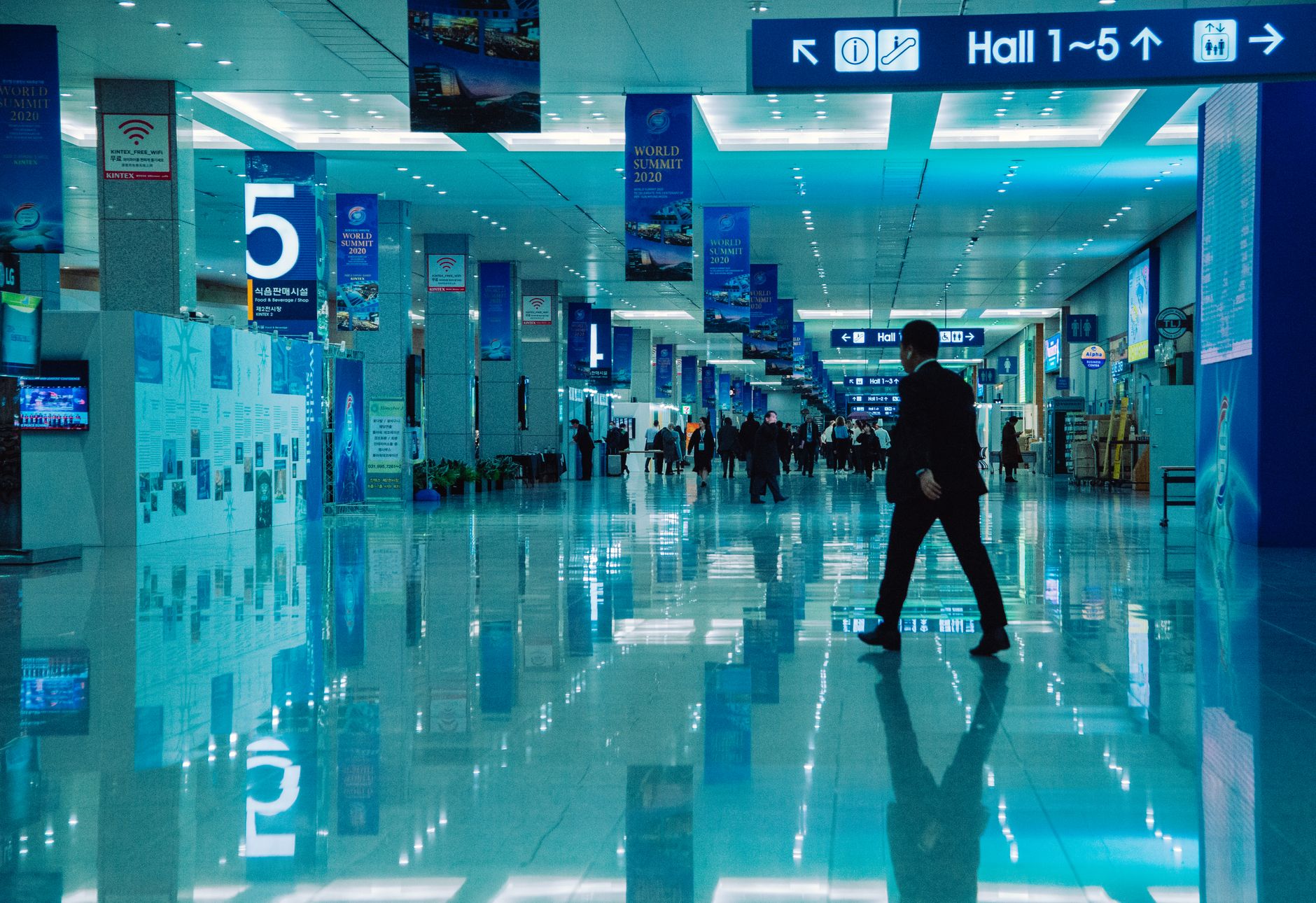
- US business travel generates $623 billion in economic impact
- India's MICE market projected to hit $13.4 billion by 2031
- Corporate spending reached $538 billion in the US alone
- Business travel acts as a primary catalyst for global GDP growth
- Face-to-face meetings remain essential for high-value corporate deals
Business travel is no longer just an expense on the balance sheet; it is a primary driver of the global economy. New data from the Global Business Travel Association (GBTA) confirms that travel within the United States alone generated a staggering $623 billion in economic impact as of June 2026. This massive figure represents more than just flight tickets and hotel bookings. It accounts for the entire ecosystem of spending that occurs when professionals cross borders to close deals.
Industry experts noted that corporate travel spending hit $538 billion (approximately ₹45.2 lakh crore) in the US, acting as a powerful stimulant for local economies. When a consultant flies into Chicago or a tech executive touches down in Bengaluru, the ripple effect reaches taxi drivers, hoteliers, and restaurant owners. This spending creates jobs and supports infrastructure development in key business hubs.
The recovery of corporate travel has exceeded initial expectations following the volatility of the early 2020s. Companies are prioritizing face-to-face interactions again, recognizing that digital calls cannot replicate the trust built over a physical handshake. This shift is fueling a surge in demand for premium travel services and conference facilities across major cities.
- US business travel spending reached $538 billion.
- The total economic impact is estimated at $623 billion.
- Corporate budgets are shifting back toward in-person client engagement.
- Travel-related services are seeing a 12% year-on-year growth in demand.
The data suggests that the return of the business traveler is the single most important factor for the hospitality and aviation sectors right now. Airlines are reporting higher yields on business class seats, while hotels in financial districts are witnessing occupancy rates that mirror pre-2019 levels. This is not just a trend; it is a fundamental recalibration of how global business is conducted.
India's $13.4 Billion MICE Ambition and Global Influence
While the US leads in total volume, India is emerging as a critical player in the high-value MICE sector—Meetings, Incentives, Conferences, and Exhibitions. Projections indicate that India's outbound MICE travel market will soar to $13.4 billion (approximately ₹1.12 lakh crore) by 2031. This growth is driven by the country's expanding corporate footprint and a renewed focus on global networking.
Indian firms are increasingly sending teams to international forums to secure partnerships and showcase domestic innovation. This outbound surge is matched by an equally impressive domestic capacity expansion. Cities like New Delhi, Mumbai, and Hyderabad are investing heavily in world-class convention centers to attract global business events.
Industry analysts pointed out that the Indian government's support for infrastructure is a major tailwind for this sector. With more airports and improved rail connectivity, the friction of travel within India is decreasing. This makes it easier for international delegates to visit for conferences and trade shows.
- India's outbound MICE travel is expected to reach $13.4 billion by 2031.
- Domestic convention centers are seeing record-breaking booking inquiries for 2027.
- Corporate spending on international conferences has increased by 18% since 2024.
- Major Indian metros are positioning themselves as global hubs for business summits.
The emphasis on MICE is a strategic move for India. Unlike leisure tourism, MICE travelers tend to spend more per day and often return for subsequent business engagements. This creates a sustainable pipeline of revenue for the hospitality industry. As Indian companies expand their reach, the need for these high-level summits will only grow. The country is no longer just a destination; it is a major participant in the global business travel narrative.
Why Face-to-Face Deals Still Rule the Boardroom
The digital transition that defined the early 2020s has reached a plateau. While video conferencing remains a staple for routine updates, the high-stakes world of mergers, acquisitions, and strategic partnerships has returned to the physical realm. Sources confirmed that executives are increasingly opting for travel to ensure that negotiations go according to plan.
There is a tangible difference in the outcome of a deal when the parties involved are sitting across from each other. Body language, the ability to read the room, and the social bonding that happens over dinner are all components of the 'travel premium.' This is why companies are willing to authorize higher travel budgets despite the rising costs of airfare and luxury accommodation.
Analysts noted that the return on investment for business travel is often realized in the speed and finality of agreements. A deal that might take months to finalize over email can often be concluded in a few days of intensive, in-person meetings. This efficiency is what justifies the $538 billion spent on corporate travel in the US.
- In-person meetings increase deal closure rates by an estimated 25%.
- High-value transactions are rarely finalized without physical presence.
- Corporate travel budgets are being viewed as a necessary investment, not a cost.
- The 'social capital' built during business travel is a key performance indicator for many sales teams.
The human element of business travel is what keeps the wheels of the global economy turning. When a CEO travels to meet a partner, it signals commitment and seriousness. This psychological weight is something that software simply cannot replicate. As long as business is built on trust, the need for physical proximity will remain a cornerstone of economic development.
Decoding the 2026 Global Corporate Travel Outlook
The outlook for 2026 remains bullish, despite lingering concerns about global inflation and fuel prices. Corporate travel managers are becoming more strategic, focusing on high-impact trips rather than volume. They are utilizing advanced data analytics to track the ROI of every business trip, ensuring that travel budgets are aligned with revenue generation.
The 2026 outlook for Europe and Asia suggests a steady climb in travel volumes. Business travel news reports indicate that companies are shifting toward 'bleisure'—the practice of combining business trips with leisure activities—to attract talent and improve employee satisfaction. This trend is helping to keep travel demand high even during off-peak periods.
Officials said that the integration of artificial intelligence in travel management is helping companies optimize their spending. By predicting price surges and suggesting more efficient routes, AI is allowing firms to travel more for the same amount of money. This technological edge is essential for maintaining a competitive advantage in a global market.
- 2026 corporate travel budgets are projected to rise by 7-9% globally.
- AI-driven travel management is reducing costs by an average of 12%.
- The 'bleisure' trend is boosting hotel occupancy in major business hubs.
- Global connectivity remains the top priority for multinational corporations.
The ability to move talent and decision-makers across the world is a competitive necessity. Companies that restrict travel too much risk losing out to rivals who are on the ground, engaging with clients and partners directly. The 2026 landscape is defined by this realization: travel is a tool for growth, and those who use it wisely will reap the rewards.
Market Resilience and the Future of Corporate Spending
The resilience of the business travel sector is a reflection of the broader global economy. Despite the ups and downs of the Sensex and global indices, companies continue to invest in their people and their external relationships. The willingness of firms to spend heavily on travel is a vote of confidence in the future.
Experts pointed out that the current growth is not a bubble. It is a structural shift back to a model of engagement that has worked for centuries. As long as businesses operate in a competitive, globalized environment, the need to interact with people in different time zones and cultures will persist. The economic impact of $623 billion in the US and the $13.4 billion target for India are merely indicators of this deep-seated necessity.
Looking ahead, the focus will shift toward sustainability. Companies are under increasing pressure to reduce their carbon footprint, leading to a rise in demand for greener travel options. This includes sustainable aviation fuel and hotels with green certifications. The next phase of business travel will be defined by how efficiently companies can balance their need for physical presence with their environmental responsibilities.
- Sustainable travel options are seeing a 15% increase in corporate adoption.
- Carbon-offsetting programs are becoming standard in travel policies.
- Companies are prioritizing airlines with modern, fuel-efficient fleets.
- The transition to greener travel is expected to be a major trend through 2030.
The future of business travel is bright, but it will be different. It will be more data-driven, more sustainable, and more strategic. The companies that navigate this change successfully will be the ones that continue to thrive in the global marketplace. The bottom line is clear: travel is the lifeblood of commerce, and that is unlikely to change anytime soon.
The Final Word: Why Business Travel Remains Irreplaceable
As we look toward the end of 2026, the numbers tell a consistent story. Business travel is not a relic of the past; it is a vital organ of the modern economy. From the boardrooms of New York to the convention halls of New Delhi, the movement of people is directly linked to the movement of capital.
The $623 billion figure in the US and the ambitious $13.4 billion goal for India are not just statistics. They are proof that when people meet, business happens. The investment in these trips is an investment in relationships, innovation, and long-term stability. As companies continue to refine their travel strategies, they are finding that the value of being there in person is higher than ever.
The next time you see a crowded departure lounge at an international airport, remember that you are looking at the engine of the global economy. Every traveler is a potential deal, a partnership, or a breakthrough waiting to happen. The business travel sector has proven its resilience and its importance, and it is poised for continued growth in the years ahead.
- Global business travel is expected to maintain a steady growth trajectory through 2028.
- The integration of technology will continue to enhance the travel experience.
- Emerging markets will play a larger role in the global travel ecosystem.
- Face-to-face engagement remains the gold standard for high-level business.
The journey is just beginning. As the world becomes more connected, the role of the business traveler will only become more significant. The ability to bridge distances and cultures is the ultimate skill in a globalized world, and it is one that will continue to pay dividends for decades to come.